


First Time in Africa
What You Should Know, Where to Travel and How to Prepare
“For many people, going on safari is a long-held dream. For others, it becomes the journey of a lifetime, and for a fortunate few, it turns into an unforgettable experience that changes the way they see the world.”
A first time in Africa safari represents one of the most extraordinary travel experiences available anywhere in the world. For many travelers it is a lifelong dream, while for others it becomes a life-changing journey that reshapes how they view nature, wildlife, and travel itself. Africa’s vast wilderness areas, remarkable wildlife diversity, and deeply rooted cultural traditions create a travel experience that cannot be replicated elsewhere.
Planning a first safari requires careful thought. Africa is the second-largest continent on earth and offers numerous safari destinations, hundreds of lodges and camps, and multiple travel styles. Choosing where to go, when to travel, how to move around, and what to expect in the wilderness can feel overwhelming for first-time visitors.
This First Time in Africa guide explains everything a traveler needs to know before embarking on their first safari adventure. It explores the best destinations, the best seasons to travel, who can go on safari, how safari travel works, what a safari costs, what to pack, and how to stay safe in the African wilderness.
Understanding these elements ensures that a first safari becomes an unforgettable experience rather than an uncertain one.
Where to Go for Your First Time in Africa
Choosing the right destination is the most important decision when planning a first time in Africa safari. Africa contains numerous safari regions, but they broadly fall into two major areas: Southern Africa and East Africa.
Both regions offer world-class wildlife viewing, extraordinary landscapes, and excellent safari infrastructure. The difference lies in the style of safari experience each region provides.
Southern Africa generally offers more developed infrastructure, diverse landscapes, and excellent multi-country itineraries. East Africa delivers the iconic safari landscapes that many travelers imagine when they think about Africa — sweeping plains filled with wildlife and dramatic events such as the Great Migration.
For a first safari, focusing on one region rather than trying to cover both usually produces a far richer experience.
Southern Africa
Southern Africa includes South Africa, Botswana, Namibia, Zambia, and Zimbabwe. This region is widely regarded as the most accessible starting point for a first time in Africa safari.
The wildlife viewing is exceptional, travel infrastructure is well developed, and many destinations can easily be combined in one itinerary. Visitors can experience Big Five safaris, remote wilderness areas, river safaris, and some of the continent’s most famous natural landmarks.
South Africa often serves as the gateway for many travelers thanks to its strong tourism infrastructure and diverse attractions. Botswana offers one of the most pristine wilderness safari experiences on the continent, particularly in the Okavango Delta. Namibia is renowned for dramatic desert landscapes and self-drive adventures. Zambia and Zimbabwe offer some of Africa’s most authentic safari experiences along with access to Victoria Falls.
East Africa
East Africa includes Kenya, Tanzania, Uganda, and Rwanda, and it represents the classic safari landscape that has defined Africa in travel imagination for decades.
The region hosts vast open plains, immense wildlife populations, and some of the world’s most spectacular wildlife events. The Serengeti and Masai Mara ecosystem hosts the Great Wildebeest Migration, where millions of animals move across the savannah in search of fresh grazing.
Kenya and Tanzania deliver the classic big game safari experience, while Uganda and Rwanda offer unique rainforest encounters such as mountain gorilla trekking and chimpanzee tracking.
For many travelers, East Africa represents the most iconic first time in Africa safari experience.
When to Visit Africa for a Safari
Africa offers safari experiences throughout the year, but understanding seasonal patterns helps travelers choose the best time for their first time in Africa trip.
Most safari destinations experience two primary seasons: the dry season and the green season.
Dry Season Safari
The dry season usually occurs between May and October in Southern Africa and June to October in East Africa. During this time vegetation becomes thinner and water sources become limited.
Wildlife gathers around rivers, waterholes, and permanent water sources, making animal sightings easier and more predictable. Clear skies, warm days, and cooler nights make this the most popular time for safari travel.
Because wildlife viewing is most reliable during this period, it also represents the peak tourism season.
Shoulder Season
The shoulder season occurs between peak dry and rainy seasons and often offers the best balance of wildlife viewing, lower prices, and fewer visitors.
Many safari experts consider months such as March and September among the best times for a first time in Africa safari. Wildlife remains abundant, landscapes remain attractive, and lodges are less crowded than during peak months.
Green Season
The green season arrives when rains transform the African landscape into lush green ecosystems. Although wildlife may spread out across wider areas, this period offers spectacular scenery, excellent birdwatching, and the arrival of newborn animals.
For photographers and travelers seeking quieter safari experiences, the green season often provides remarkable opportunities.
Who Can Go on Safari
A first time in Africa safari is suitable for travelers of nearly every age group. Modern safari infrastructure has evolved significantly over the past two decades, offering experiences tailored to families, couples, solo travelers, older visitors, and even travelers with accessibility needs.
Families and Children
Family safaris have become increasingly popular. Children often develop a lifelong interest in wildlife and conservation after experiencing animals in their natural habitat.
Many lodges now provide dedicated family suites, junior ranger programs, and educational wildlife activities that engage younger travelers.
Some safari destinations also offer malaria-free reserves, particularly in South Africa, making them ideal for families with young children.
Couples and Honeymoon Travelers
A safari provides one of the most romantic travel experiences available. Remote lodges, candlelit dinners under the stars, and private wildlife encounters create extraordinary honeymoon settings.
Destinations such as Botswana’s Okavango Delta, Tanzania’s Serengeti combined with Zanzibar, and Kenya’s Masai Mara paired with coastal retreats are among the most sought-after honeymoon itineraries in Africa.
Solo Travelers
Africa is also an excellent destination for solo travelers. Safari lodges naturally create social environments where guests share game drives, meals, and campfire evenings.
Small group departures and guided safaris allow solo travelers to explore Africa safely while meeting other wildlife enthusiasts.
Older Travelers
There is no age limit for a first time in Africa safari. Many travelers in their seventies and eighties enjoy comfortable safari experiences using fly-in itineraries that eliminate long road transfers.
Luxury lodges, private vehicles, and carefully designed itineraries allow older visitors to explore Africa at a comfortable pace.
How Safari Travel Works
Understanding how safari travel operates is essential for planning a successful first time in Africa adventure.
Safari travel typically combines two elements: transportation within wildlife areas and accommodation in lodges or camps.
Guided Lodge Safaris
The most common safari style involves staying at a lodge or camp while joining guided game drives led by experienced safari guides.
Game drives usually occur in the early morning and late afternoon when animals are most active. Professional guides track wildlife, interpret animal behavior, and navigate through the wilderness to maximize sightings.
For first-time visitors, guided safaris offer the highest chances of extraordinary wildlife encounters.
Self-Drive Safaris
Self-drive safaris involve renting a vehicle and exploring national parks independently. This travel style works particularly well in destinations such as South Africa’s Kruger National Park and Namibia.
While self-drive safaris offer freedom and affordability, first-time travelers often benefit from the knowledge and expertise of professional guides.
Fly-In Safaris
Many remote safari destinations require travel by small charter aircraft. Fly-in safaris allow visitors to access isolated wilderness areas quickly while enjoying scenic aerial views of Africa’s landscapes.
This travel style is common in destinations such as Botswana’s Okavango Delta and remote regions of Zambia or Tanzania.
Mobile Safaris
Mobile safaris represent one of the most immersive ways to experience Africa. Temporary tented camps move through the wilderness following wildlife movements.
Guests sleep under canvas, dine around campfires, and explore remote areas that permanent lodges cannot reach.
For travelers seeking authentic wilderness experiences, mobile safaris often provide unforgettable encounters.
How Much a Safari Costs
A first time in Africa safari involves a wide range of price levels depending on destination, travel style, and accommodation quality.
Safari experiences generally fall into several pricing categories.
Budget self-drive safaris may cost a few hundred dollars per day, while guided lodge safaris typically begin around USD 450 per person per night. Mid-range and high-end lodges range between USD 850 and USD 1,500 per person per night, while ultra-luxury safari camps can exceed USD 2,000 per night.
Cost differences usually reflect the level of comfort, remoteness of location, guiding quality, and exclusivity of wildlife experiences.
Importantly, the most expensive safari does not always guarantee the best wildlife encounters. Experienced guides and remote wilderness locations often determine the quality of the safari far more than luxury facilities.
What to Pack for Your First Time in Africa
Packing for a first time in Africa safari is simpler than most travelers expect. Lightweight clothing in neutral colors works best for blending into the natural environment.
Colors such as khaki, olive, beige, and muted brown help minimize disturbance to wildlife while also remaining practical for dusty environments.
Layered clothing remains essential because early morning game drives can be surprisingly cold even in warm climates.
Essential safari items typically include comfortable walking shoes, a hat, sunglasses, binoculars, a camera, sunscreen, insect repellent, and a reusable water bottle.
Travelers should also pack soft-sided luggage if their itinerary includes small aircraft flights, as strict weight limits usually apply.
Health and Safety Considerations
A first time in Africa safari remains extremely safe when travelers follow proper preparation and guidance.
Consulting a travel health professional before departure is essential to discuss recommended vaccinations, malaria prevention, and travel insurance.
Visitors should also carry sufficient prescription medication, drink plenty of water, and protect themselves from the sun.
Safety in wildlife areas depends primarily on following instructions from professional guides. Wildlife in Africa is genuinely wild, and guides are trained to interpret animal behavior and maintain safe distances.
By respecting these guidelines, safari travelers can safely enjoy close wildlife encounters in some of the world’s most extraordinary natural environments.
Frequently asked questions
What should I expect on my first time in Africa?
A first time in Africa experience is very different from a conventional holiday. Instead of resort towns and busy tourist districts, most safari destinations place you directly inside nature. Days usually revolve around early morning and late afternoon game drives, wildlife encounters, and relaxing at lodges located within national parks or conservancies. Travelers often experience extraordinary wildlife sightings, vast landscapes, and meaningful cultural interactions that make Africa one of the most memorable travel destinations in the world.
Which African country is best for a first-time safari?
The best country for a first time in Africa safari depends on travel preferences. South Africa is often recommended because of its excellent infrastructure, malaria-free reserves, and easy travel logistics. Kenya and Tanzania offer the classic safari landscapes and the famous Great Migration. Uganda and Rwanda provide unforgettable gorilla trekking experiences. Botswana is ideal for travelers seeking remote wilderness and exclusive safari experiences.
Is Africa safe for first-time travelers?
Africa is generally safe for tourists when visiting established safari destinations and traveling with reputable tour operators. National parks and safari lodges maintain strict safety standards and employ professional guides who understand wildlife behavior and local conditions. Following guide instructions and basic travel precautions ensures a safe and enjoyable first time in Africa experience.
How many days are needed for a first safari in Africa?
Most safari experts recommend spending at least 7 to 10 days for a meaningful first time in Africa trip. This allows visitors to explore multiple wildlife areas and fully experience safari activities without rushing. Travelers with more time often extend their itinerary to two weeks by combining safaris with beach destinations or cultural experiences.
When is the best time to visit Africa for a safari?
The best time for a first time in Africa safari is typically during the dry season. In Southern Africa this occurs from May to October, while East Africa experiences excellent wildlife viewing between June and October. During this period animals gather around water sources, making sightings easier and more dramatic.
Can families travel to Africa on safari?
Yes, families with children can enjoy an excellent first time in Africa safari. Many lodges offer family-friendly accommodations, wildlife education programs, and private vehicles that allow flexible schedules. Some destinations such as South Africa also provide malaria-free safari areas suitable for young children.
Is a safari suitable for older travelers?
A first time in Africa safari can be comfortable and enjoyable for older travelers. Many lodges offer luxury accommodations, fly-in safari options that avoid long drives, and private vehicles that allow guests to explore wildlife areas at a relaxed pace.
How much does a first safari in Africa cost?
The cost of a first time in Africa safari varies depending on destination, accommodation, and travel style. Guided lodge safaris usually begin around USD 450 per person per night, while luxury safari camps may exceed USD 1,500 per night. Budget self-drive safaris can cost significantly less.
What wildlife will I see on my first safari?
A first time in Africa safari often includes sightings of elephants, lions, giraffes, zebras, buffalo, and numerous antelope species. In many destinations visitors can also see the famous Big Five animals: lion, elephant, leopard, rhinoceros, and buffalo. Birdlife and smaller mammals add further diversity to wildlife experiences.
Do I need vaccinations before traveling to Africa?
Travelers planning a first time in Africa trip should consult a travel health clinic several weeks before departure. Medical professionals may recommend certain vaccinations and malaria prevention depending on the destinations visited. Requirements vary by country and traveler health history.
What should I pack for my first African safari?
Packing for a first time in Africa safari usually includes lightweight neutral-colored clothing, comfortable walking shoes, a hat, sunglasses, binoculars, and sunscreen. Layered clothing is recommended because mornings can be cool while afternoons are warm.
Are malaria-free safari destinations available?
Yes. Some safari regions, particularly in South Africa, offer malaria-free wildlife reserves. These destinations allow travelers to experience Big Five safaris without the need for malaria medication.
Is gorilla trekking possible on a first trip to Africa?
Gorilla trekking is one of the most extraordinary experiences available during a first time in Africa journey. Uganda and Rwanda offer guided treks through rainforest habitats to observe mountain gorillas in their natural environment.
Can a safari be combined with a beach holiday?
Many travelers combine their first time in Africa safari with a beach extension. Popular beach destinations include Zanzibar in Tanzania, the Kenyan coast, and Mozambique’s Indian Ocean islands.
How are safaris conducted?
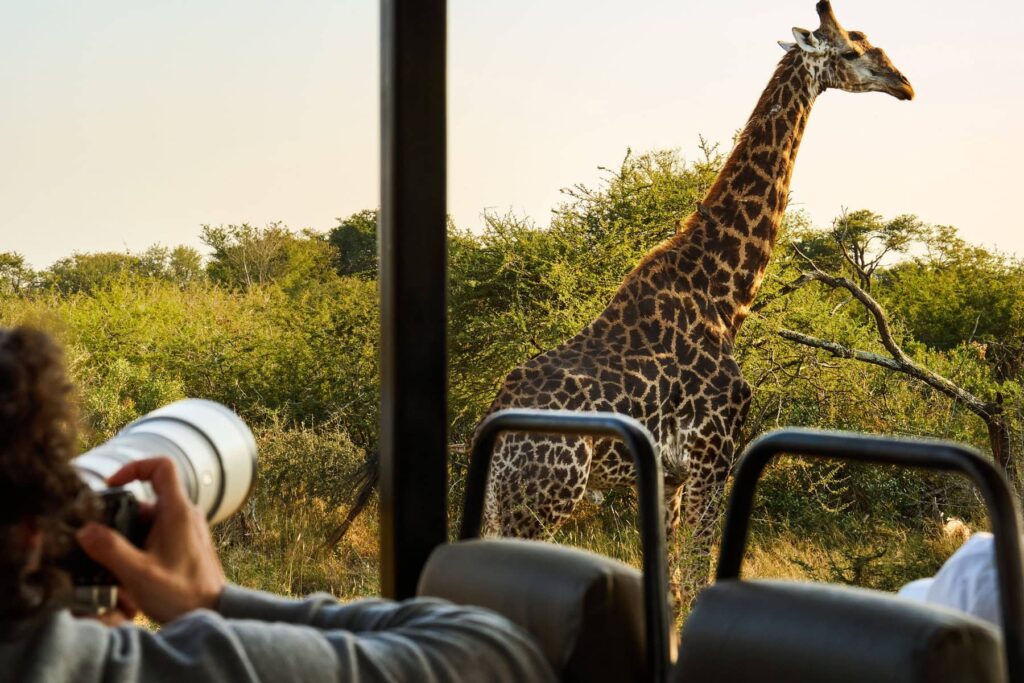
Most safaris take place in specially designed 4×4 safari vehicles with open sides for wildlife viewing. Professional guides drive through national parks and conservancies while explaining animal behavior, ecosystems, and conservation efforts.
Will I see animals every day on safari?
Wildlife sightings are never guaranteed because animals move freely in the wild. However, experienced guides and wildlife-rich parks ensure that travelers on a first time in Africa safari typically see animals during every game drive.
What type of accommodation is available on safari?
Safari accommodations range from comfortable lodges and tented camps to ultra-luxury wilderness retreats. Many lodges provide private suites, excellent cuisine, and stunning views of surrounding wildlife habitats.
Can solo travelers go on safari in Africa?
Solo travelers often enjoy a first time in Africa safari because lodge environments encourage social interaction. Guided safaris and small group tours allow solo visitors to share wildlife experiences with other travelers.
Do I need a guide for my first safari?
Guides are strongly recommended for a first time in Africa safari. Professional guides understand wildlife behavior, track animals effectively, and ensure guest safety while providing deeper insights into the African ecosystem.
Why do so many people return to Africa after their first visit?
Many travelers return after their first time in Africa because the continent offers an unmatched connection to nature. The combination of wildlife encounters, breathtaking landscapes, and cultural experiences creates powerful memories that inspire repeat visits.
Planning a first time in Africa safari involves balancing destination choices, travel seasons, budget, and personal interests. Travelers often combine multiple destinations to create diverse experiences within one journey.
A popular itinerary may combine wildlife safaris with cultural encounters, gorilla trekking adventures, or beach extensions along the Indian Ocean.
Africa rewards thoughtful planning. Those who take the time to design the right itinerary often discover that their first safari becomes the beginning of a lifelong relationship with the continent.
For many travelers, once Africa enters their lives, they inevitably return.