


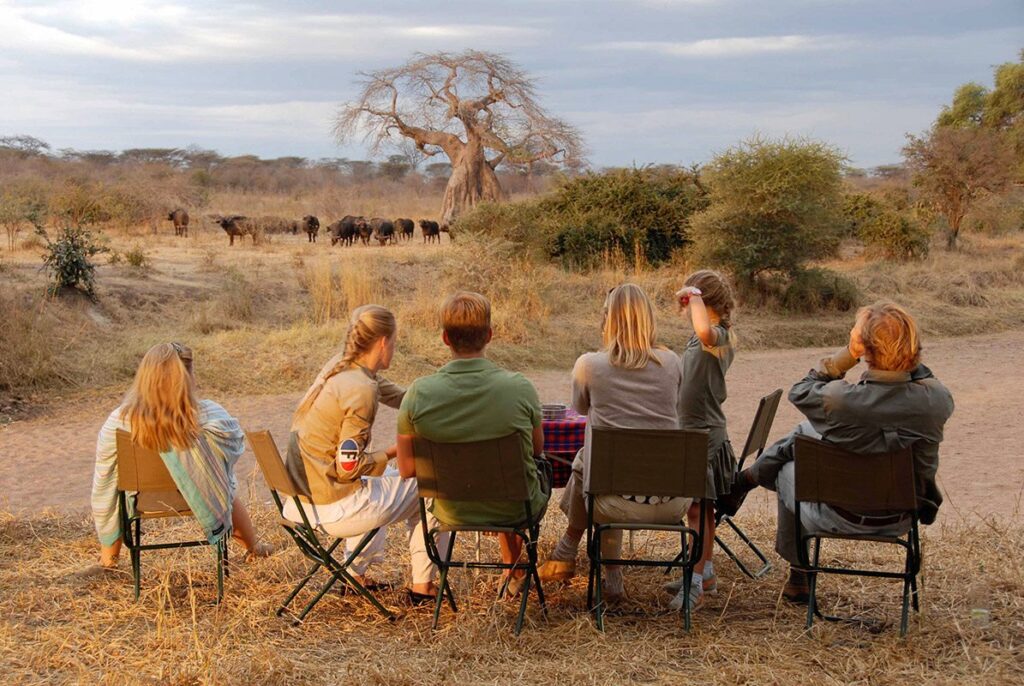
A family safaris experience stands among the most rewarding and transformative travel journeys available anywhere in the world. Unlike conventional vacations that often focus on relaxation alone, a family safari blends adventure, education, bonding, and cultural immersion into one seamless experience. Across the vast landscapes of Africa—from the savannah plains of the Serengeti to the dense rainforests of Bwindi and Volcanoes National Park—families find themselves drawn into a world where wildlife roams freely and every moment unfolds with authenticity and wonder.
A family safaris journey introduces children and adults alike to the raw beauty of nature. It creates shared memories rooted in real encounters: watching elephants cross a golden horizon at sunset, hearing lions roar in the distance, or observing gorillas in their natural habitat. These are not staged experiences but genuine interactions within protected ecosystems.
Modern safari operators have evolved significantly, making family safaris more accessible, safer, and more tailored than ever before. Carefully designed itineraries now include child-friendly lodges, flexible game drives, engaging guides, and educational programs that make the wilderness both exciting and understandable for younger travelers. This evolution has transformed safaris from once-exclusive expeditions into inclusive, family-centered journeys.
In East and Southern Africa, destinations such as Uganda, Rwanda, Kenya, Tanzania, Botswana, and South Africa have developed specialized offerings that cater to families without compromising on the depth of the safari experience. From private vehicles to interconnecting lodge rooms, everything gets structured to ensure comfort while maintaining the essence of adventure.
A family safaris holiday therefore becomes more than just travel—it becomes a shared story, a learning platform, and an emotional connection to nature that stays with every member of the family long after the journey ends.
What Is This Kind of Experience?
A family safaris experience represents a carefully curated wildlife adventure designed to accommodate travelers of different ages, interests, and comfort levels. Unlike solo or luxury-only safaris, this format prioritizes flexibility, safety, and engagement for all members of a family unit.
At its core, a family safari revolves around guided exploration of wildlife habitats. Game drives in national parks and reserves form the backbone of the experience, where families travel in specially adapted safari vehicles with expert guides. These guides do more than point out animals—they interpret behaviors, ecosystems, and conservation efforts in a way that both adults and children can understand.
The experience often extends beyond traditional game drives. Walking safaris, cultural visits, boat cruises, and nature-based learning activities become part of the itinerary. Children might participate in junior ranger programs, learn tracking skills, or engage in storytelling sessions around campfires. This transforms the safari into an interactive journey rather than passive sightseeing.
Accommodation plays a central role in defining a family safaris experience. Lodges and camps designed for families provide spacious rooms, private villas, or interconnected suites. Many properties include swimming pools, child-friendly menus, and activity programs tailored for younger guests. Despite these comforts, the setting remains deeply connected to nature, allowing families to feel immersed in the wilderness.
Geographically, a family safaris experience can vary widely. In Uganda and Rwanda, it may focus on primates such as gorillas and chimpanzees, offering a more intimate forest-based adventure. In Kenya and Tanzania, the emphasis often shifts to the Big Five and the Great Migration, delivering expansive savannah experiences. In Southern Africa, destinations like Botswana and South Africa combine luxury with diverse wildlife encounters.
Ultimately, a family safaris experience balances adventure with comfort, education with excitement, and independence with shared moments. It allows families to step away from routine life and reconnect with each other through the lens of nature.
Is It Safe?
Safety remains one of the most important considerations when planning a family safaris journey. While the idea of traveling into wild environments may initially raise concerns, modern safari operations adhere to strict safety standards that ensure a secure experience for families.
Professional guides form the foundation of safety on safari. These individuals undergo extensive training in wildlife behavior, emergency response, and guest management. Their deep understanding of animal movements and park regulations allows them to navigate environments safely while maintaining optimal viewing opportunities.
Vehicles used during game drives get specifically designed for safari conditions. They offer elevated seating, open visibility, and communication systems that allow guides to remain connected with park authorities and other vehicles. In most destinations, guides follow established protocols that regulate distances from animals and prevent risky encounters.
Accommodation providers also prioritize safety. Lodges and camps often include security measures such as guided escorts at night, fenced perimeters in certain locations, and trained staff who monitor surrounding wildlife activity. Families receive clear briefings upon arrival, ensuring that both adults and children understand basic guidelines for staying safe in a natural environment.
Health considerations also play a role in ensuring a safe family safaris experience. Many safari destinations have well-developed medical support systems, including access to emergency evacuation services. Travelers typically receive pre-trip guidance on vaccinations, travel insurance, and health precautions relevant to their chosen destination.
For younger children, certain activities such as gorilla trekking may have age restrictions, usually set at 15 years and above. However, safari planners often provide alternative activities that allow all family members to remain engaged while adhering to these guidelines.
Overall, a family safaris experience is structured with safety as a core priority. With proper planning, experienced operators, and adherence to guidelines, families can explore Africa’s wilderness with confidence and peace of mind.
How Does It Differ from Other Experiences?
A family safaris journey differs significantly from traditional holidays or even standard safari experiences. Its uniqueness lies in its ability to combine adventure, education, and emotional connection within a shared family setting.
Unlike beach vacations or city tours, a safari immerses families in dynamic environments where no two days feel the same. Wildlife sightings vary, landscapes shift, and each moment carries an element of unpredictability. This creates a sense of excitement and discovery that keeps both adults and children engaged throughout the journey.
Compared to standard safaris designed for couples or solo travelers, a family safaris experience introduces a higher level of flexibility. Itineraries often include shorter game drives, rest periods, and activities tailored to different age groups. Guides adapt their storytelling and pace to ensure that children remain interested without overwhelming them.
Another key distinction lies in the educational value. While many vacations offer entertainment, a safari provides learning opportunities rooted in real-world ecosystems. Families gain insights into conservation, animal behavior, and local cultures, fostering a deeper understanding of the natural world.
The emotional impact also sets family safaris apart. Shared encounters with wildlife often create lasting bonds among family members. Witnessing a herd of elephants or tracking a pride of lions together becomes a collective memory that strengthens relationships.
Additionally, cultural interactions form a unique component of the experience. Visits to local communities, schools, or conservation projects allow families to engage with people and traditions in meaningful ways. This exposure broadens perspectives and encourages appreciation for diverse lifestyles.
In essence, a family safaris journey transforms travel into a multidimensional experience. It goes beyond relaxation or sightseeing, offering a deeper, more enriching form of exploration that resonates with every member of the family.
Level of Fitness Needed
The level of fitness required for a family safaris experience varies depending on the chosen activities and destinations. However, most safari itineraries get designed to accommodate a wide range of fitness levels, making them accessible to families with children and older members.
Game drives, which form the core of most safaris, require minimal physical effort. Families spend several hours seated in safari vehicles, with occasional stops for photography or short walks. This makes the experience suitable even for those with limited mobility.
Activities such as nature walks or cultural visits involve light to moderate walking. These experiences get conducted at a relaxed pace, allowing participants to enjoy their surroundings without physical strain. Guides adjust routes and durations based on the group’s capabilities.
More demanding activities, such as gorilla trekking or mountain hikes, require a higher level of fitness. Gorilla trekking, for example, involves navigating forest terrain that can be steep, muddy, and uneven. While this activity offers unparalleled rewards, it may not be suitable for very young children or individuals with limited mobility.
Families often have the option to customize their itineraries based on fitness preferences. While some members participate in physically demanding activities, others may choose alternative experiences such as community visits or relaxation at the lodge.
In general, a family safaris experience does not demand high physical fitness. With thoughtful planning and the right selection of activities, families can enjoy a fulfilling safari regardless of their fitness levels.
How Long Does It Take?
The duration of a family safaris journey can vary significantly, depending on the destination, budget, and travel goals. However, most well-balanced safari itineraries range between 5 to 10 days.
Shorter safaris, typically lasting 3 to 5 days, focus on a single destination or park. These experiences provide a concise introduction to wildlife viewing and are ideal for families with limited time or younger children.
Medium-length safaris, lasting 6 to 8 days, offer a more comprehensive experience. Families may visit multiple parks or combine wildlife viewing with cultural and scenic activities. This duration allows for a deeper connection with the environment while maintaining a comfortable pace.
Longer safaris, extending beyond 10 days, provide an immersive journey across multiple regions or countries. These itineraries may include diverse ecosystems, from savannahs to rainforests, and incorporate a wide range of activities. Such experiences are ideal for families seeking a complete exploration of Africa.
Travel time between destinations also plays a role in determining the overall duration. In some cases, domestic flights help reduce long driving distances, making the journey more comfortable for families.
Ultimately, the ideal duration for a family safaris experience depends on individual preferences. A well-planned itinerary ensures that families have enough time to explore, relax, and fully engage with their surroundings.
5 Things to See and Do on This Experience
A family safaris journey offers a diverse range of activities that cater to different interests and age groups. One of the most iconic experiences involves witnessing the Big Five—lion, elephant, buffalo, leopard, and rhinoceros—in their natural habitat. This classic safari activity provides excitement and a sense of achievement for families.
Another highlight includes primate encounters, particularly gorilla trekking in Uganda and Rwanda. Observing these gentle giants in the wild creates a deeply emotional and unforgettable experience.
Boat safaris and water-based activities offer a different perspective of wildlife. Families can observe animals gathering along riverbanks, providing unique photographic opportunities and a more relaxed viewing experience.
Cultural interactions add depth to the safari. Visits to local communities, traditional performances, and storytelling sessions allow families to engage with African cultures in meaningful ways.
Finally, junior ranger programs and educational activities provide children with hands-on learning experiences. These programs teach tracking skills, conservation principles, and wildlife knowledge, making the safari both fun and educational.
Why Should I Choose It?
Choosing a family safaris experience offers a unique combination of adventure, education, and bonding that few other travel options can match. It allows families to step away from routine environments and immerse themselves in nature.
The experience fosters connection—not only with wildlife but also among family members. Shared moments of discovery create lasting memories that strengthen relationships.
A safari also provides educational value, teaching children about ecosystems, conservation, and cultural diversity in an engaging way. This makes it both enriching and inspiring.
Additionally, modern safari infrastructure ensures comfort and safety, allowing families to explore remote destinations without compromising on convenience.
Ultimately, a family safaris journey delivers a meaningful travel experience that combines excitement, learning, and emotional connection.

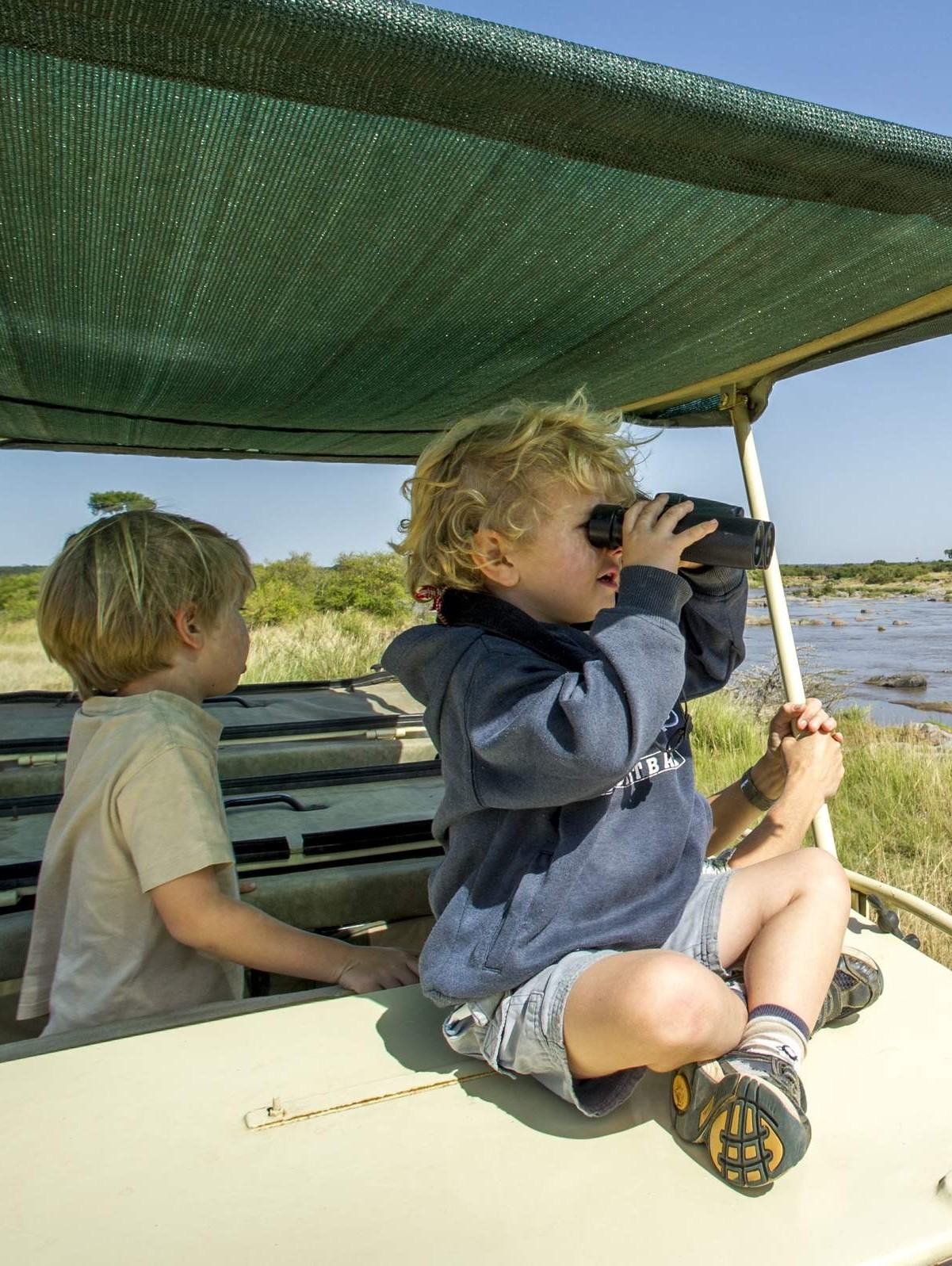
Frequently Asked Questions
FAQs
What is the best age for children on a family safari?
Children aged 6 and above often enjoy safaris the most, though some lodges cater to younger guests.
Are family safaris expensive?
Costs vary widely, but options exist for midrange and luxury budgets.
Can children join gorilla trekking?
Most countries set a minimum age of 15 years for gorilla trekking.
What should we pack?
Comfortable clothing, sunscreen, insect repellent, and cameras are essential.
Do lodges offer child-friendly meals?
Yes, many lodges provide menus tailored for children.
Is malaria a concern?
Certain regions require precautions, including medication and mosquito protection.
Can we customize our itinerary?
Yes, most safari operators tailor itineraries to family needs.
What wildlife can we expect to see?
Depending on the destination, families may see the Big Five, primates, and diverse bird species.
Is travel insurance necessary?
Travel insurance is highly recommended for all safari trips.
When is the best time to go?
Dry seasons typically offer the best wildlife viewing opportunities.