


Wildlife
Endemic Species of Africa
“Discover wildlife in Africa across Botswana, Kenya, Tanzania, Uganda, South Africa and more including the species found in each destination and where to see them.”
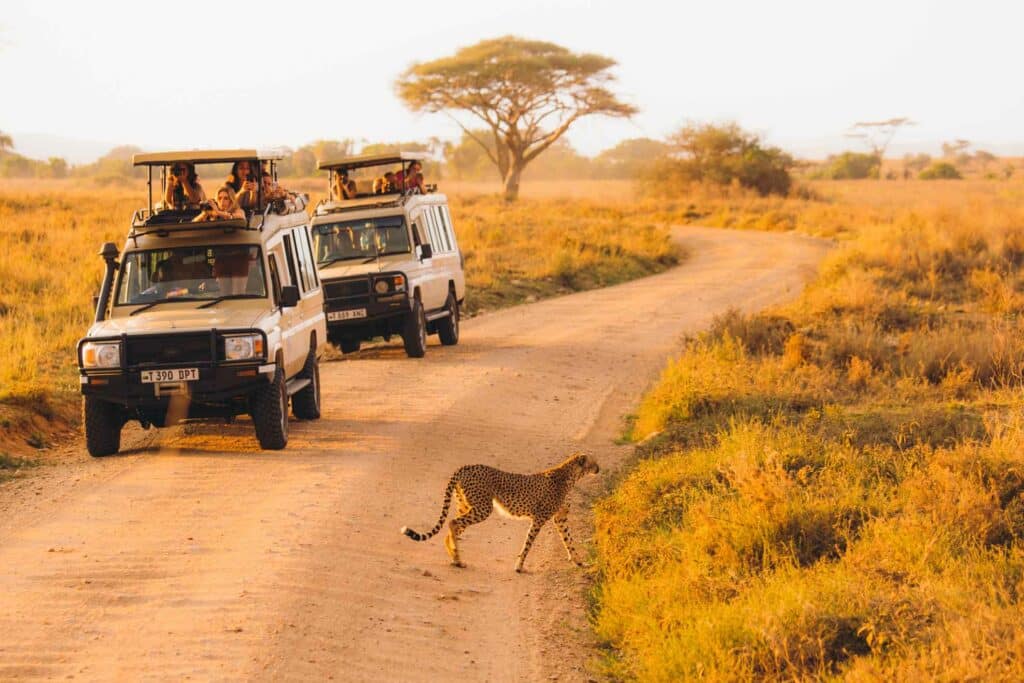
Africa remains one of the world’s most extraordinary wildlife regions, supporting an incredible diversity of mammals, birds, reptiles, and marine life across vast ecosystems. From the savannah plains of East Africa to the rainforests of Central Africa and the deserts of Southern Africa, the continent hosts thousands of wildlife species in protected national parks and reserves.
The richness of wildlife in Africa is particularly visible across destinations such as Botswana, Congo, Egypt, Ethiopia, Gabon, Kenya, Madagascar, Malawi, Mozambique, Namibia, Rwanda, South Africa, South Sudan, Tanzania, Uganda, Zambia, and Zimbabwe. Each of these countries offers unique habitats that support specific wildlife species and provide exceptional opportunities for nature and safari experiences.
Wildlife in Botswana
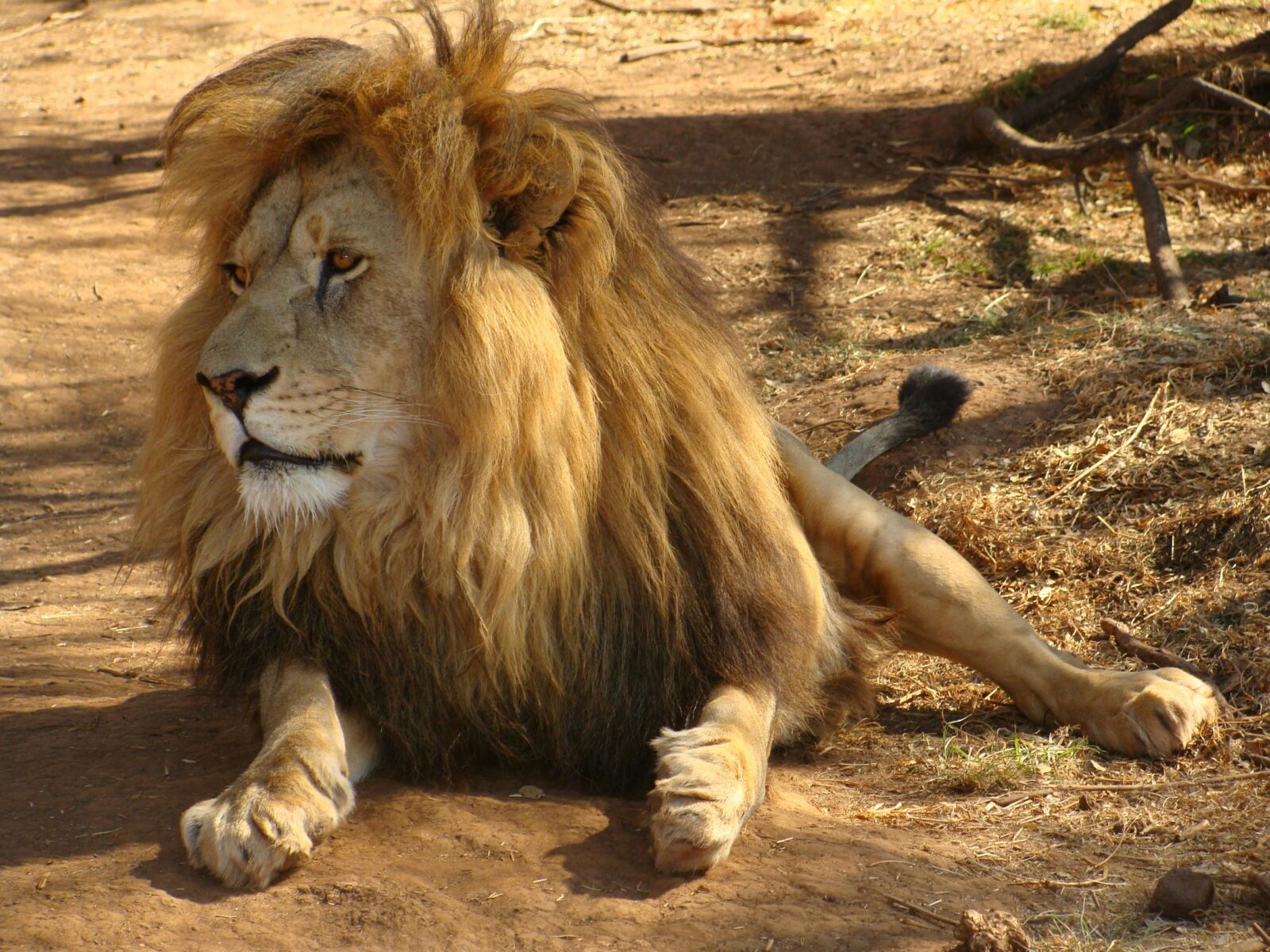
Botswana is widely recognized as one of Africa’s premier wildlife destinations due to its extensive protected wilderness areas and strong conservation policies. The country hosts large populations of elephants, lions, leopards, buffalo, giraffes, zebras, and antelope species.
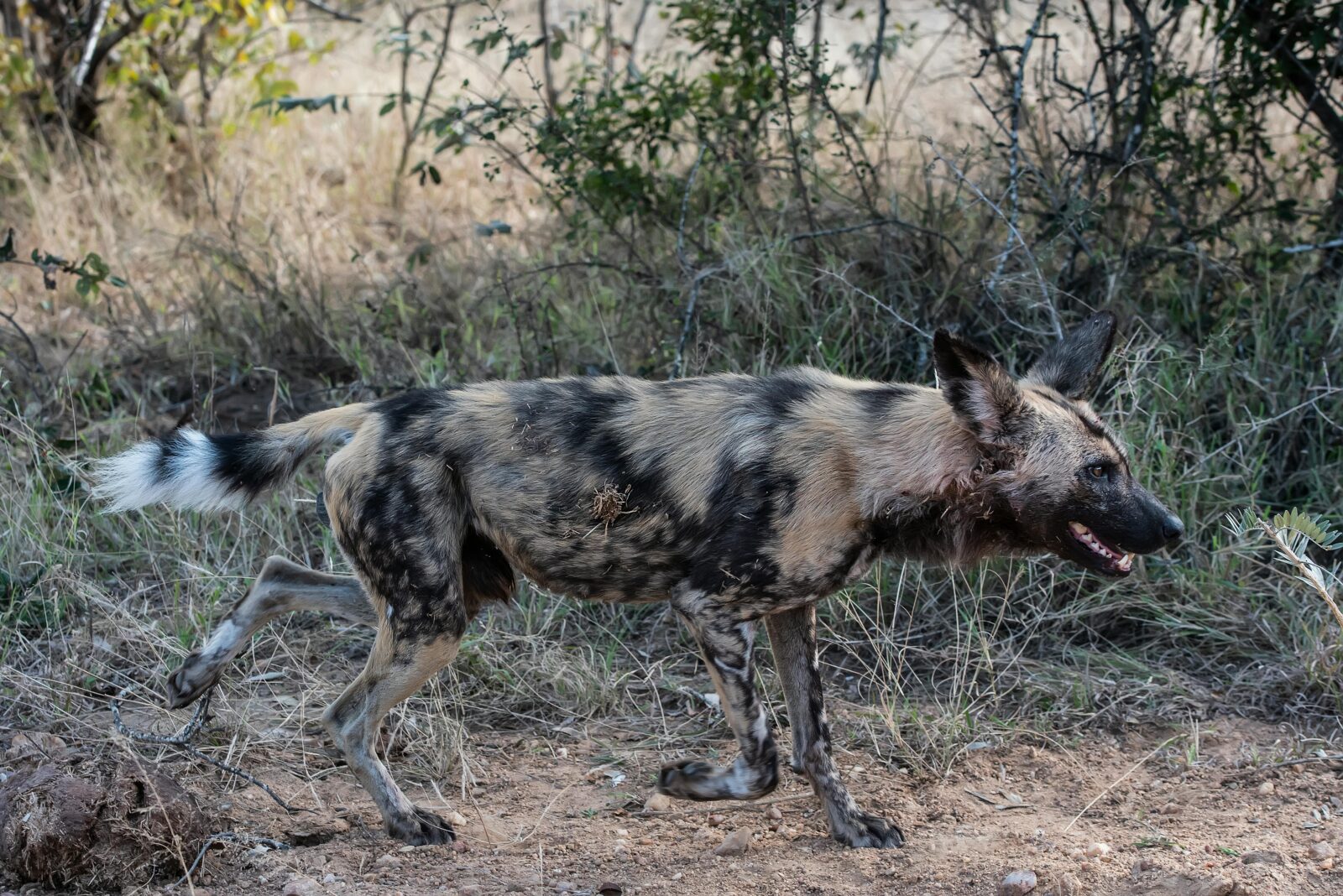
The Okavango Delta, a vast inland wetland system, supports diverse wildlife including hippos, crocodiles, and numerous bird species. The Chobe National Park is famous for its enormous elephant herds, while the Moremi Game Reserve offers excellent sightings of predators such as lions and African wild dogs.


Wildlife in Congo
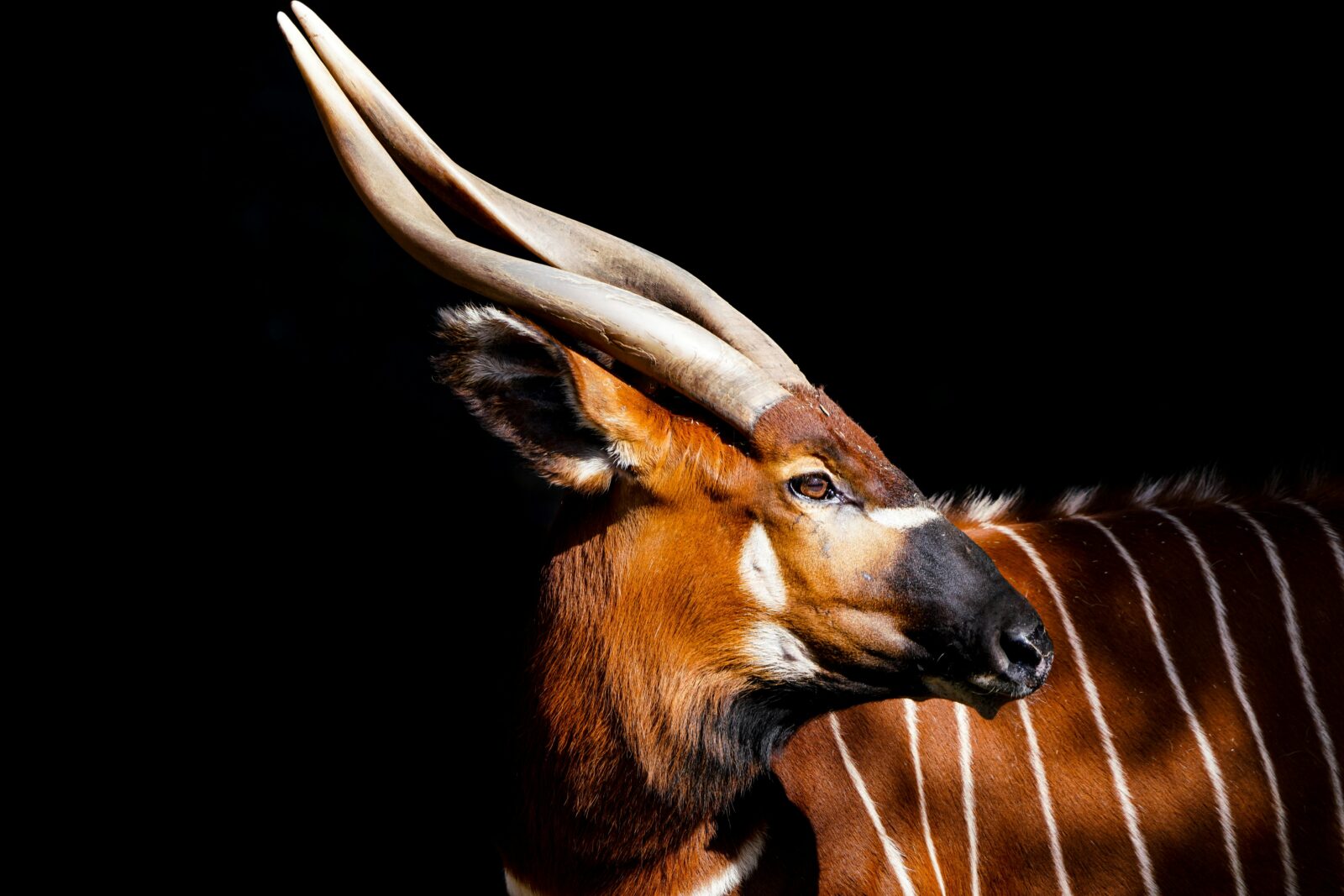
The Republic of Congo is dominated by dense tropical rainforest ecosystems that support rare and endangered wildlife species. Among the most notable animals found here are western lowland gorillas, forest elephants, chimpanzees, and bongo antelopes.
These species can be found in remote protected areas such as Odzala-Kokoua National Park, which is considered one of the best places in Central Africa to observe rainforest wildlife. The park’s forest clearings attract animals that emerge from dense vegetation, allowing visitors rare viewing opportunities.
Wildlife in Egypt
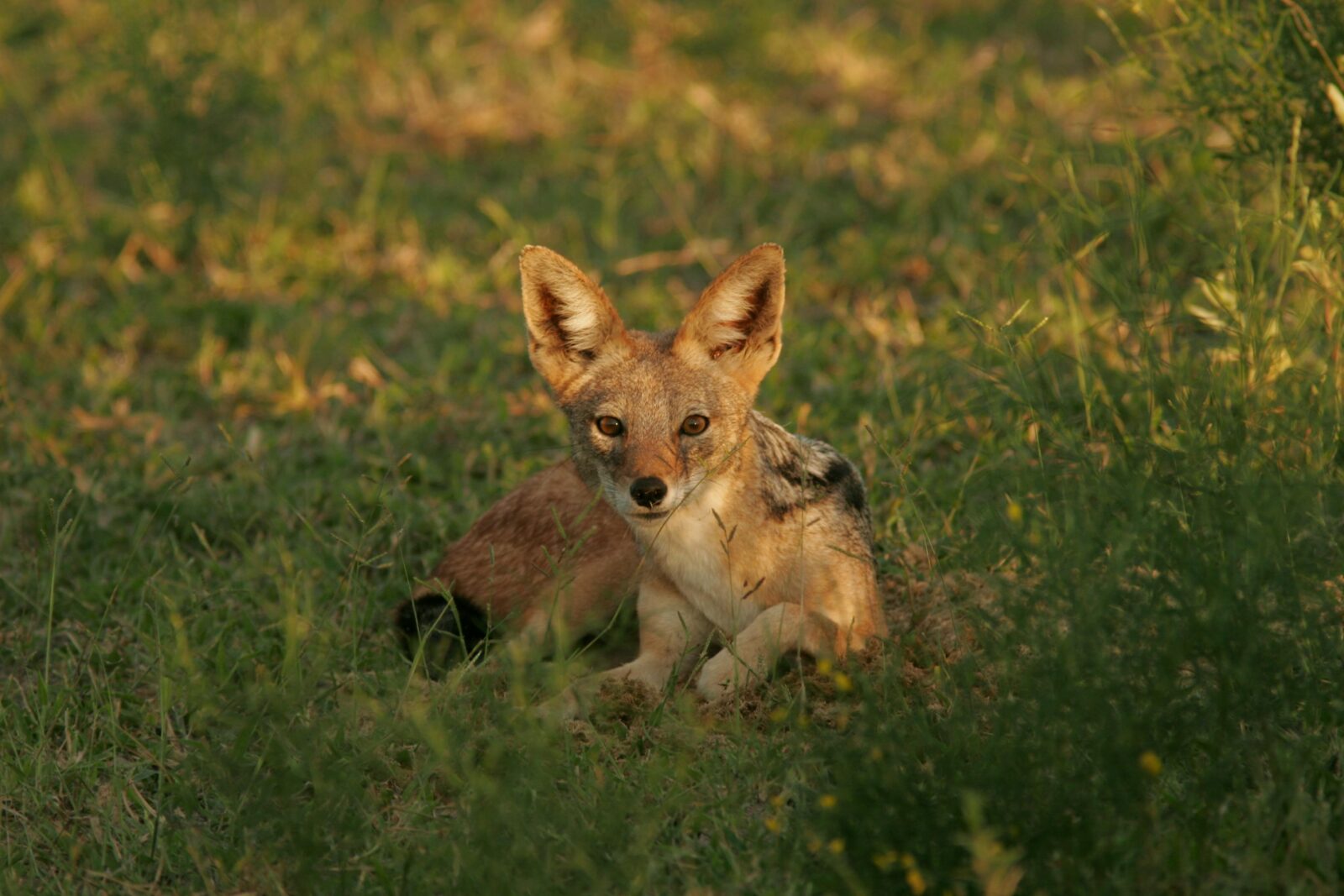
Although Egypt is primarily known for its ancient civilizations and desert landscapes, the country also hosts a variety of wildlife species adapted to arid environments. Desert mammals include the fennec fox, sand cat, and Dorcas gazelle.
Marine wildlife is particularly significant along the Red Sea coast, where coral reefs support rich marine biodiversity including dolphins, sea turtles, reef fish, and whale sharks. Protected areas such as Ras Mohammed National Park are important marine conservation zones.

Wildlife in Ethiopia
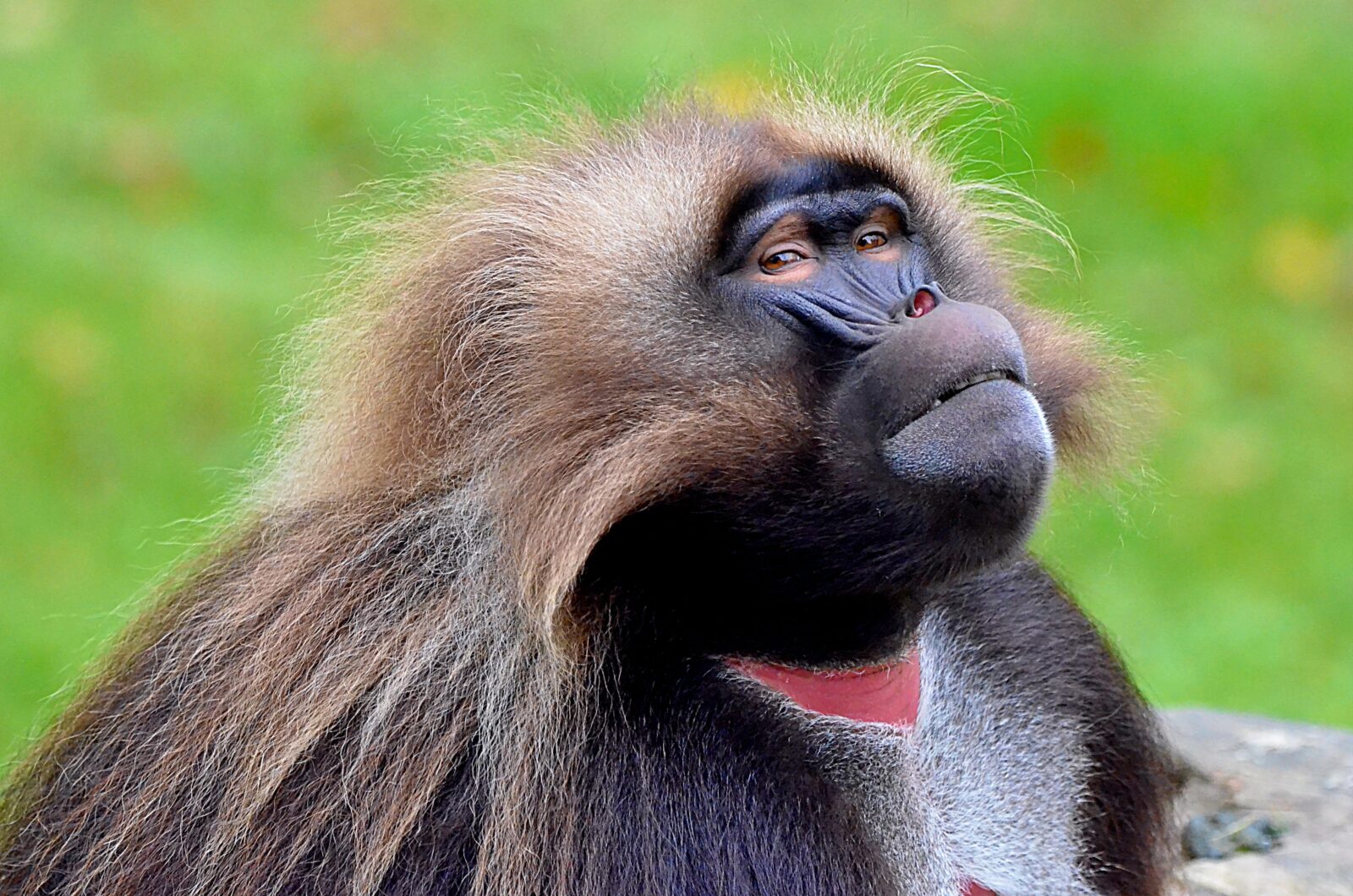
Ethiopia is home to several endemic wildlife species found nowhere else in the world. Among the most notable animals are the Ethiopian wolf, gelada monkey, and Walia ibex.
The Simien Mountains National Park provides habitat for gelada monkeys and Walia ibex, while the Bale Mountains National Park is one of the best places to observe the rare Ethiopian wolf. Ethiopia’s diverse landscapes also support numerous bird species and antelope populations.
Wildlife in Gabon
Gabon is one of Central Africa’s most biologically rich countries, combining tropical rainforests, coastal lagoons, and savannah landscapes. Wildlife species found here include forest elephants, western lowland gorillas, chimpanzees, buffalo, and leopards.
One of the most remarkable wildlife areas in Gabon is Loango National Park, where elephants and hippos can sometimes be seen walking along the Atlantic coastline. The park also protects sea turtles and whales along its coastal waters.
Wildlife in Kenya
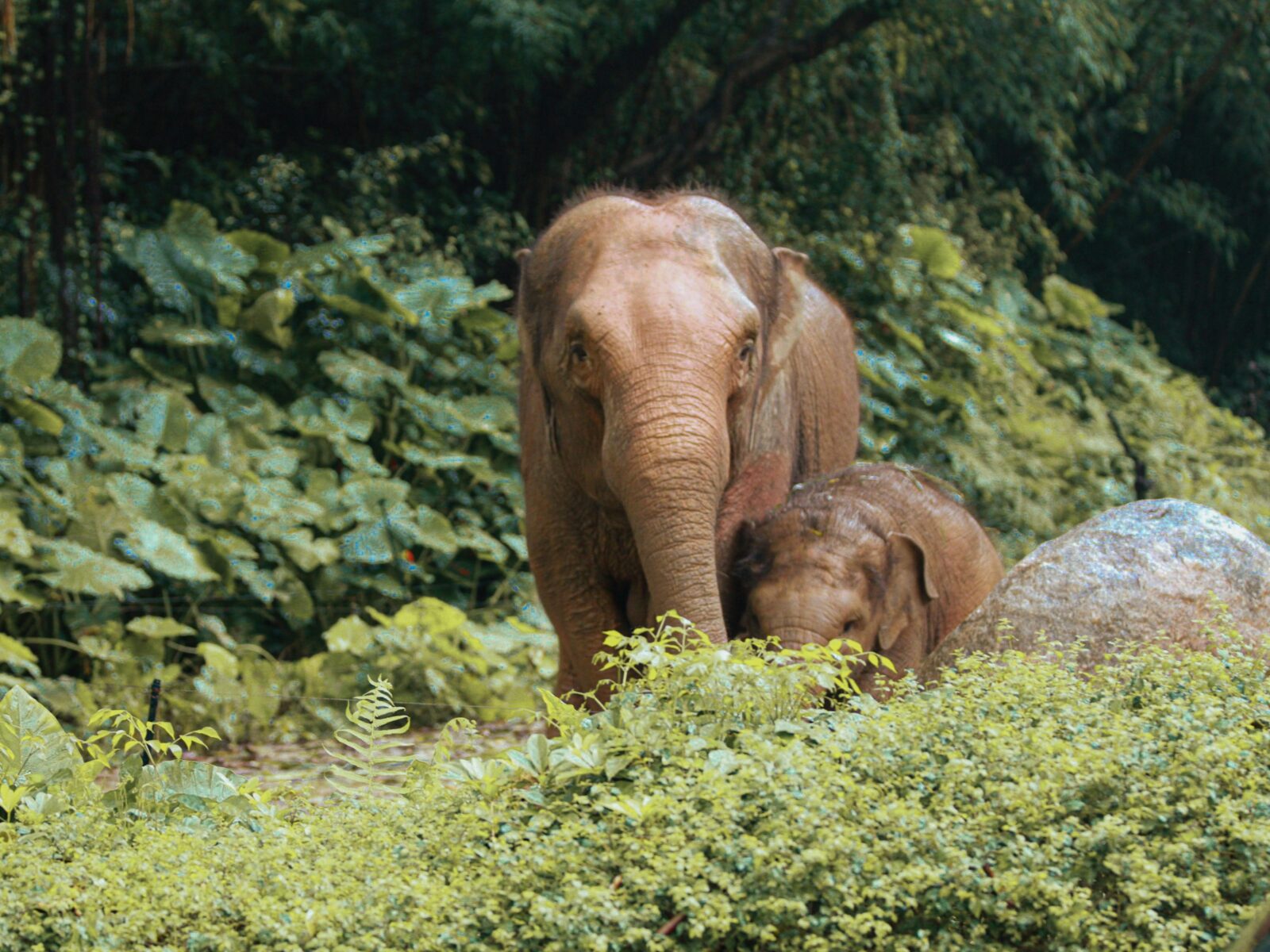
Kenya hosts some of the most famous wildlife ecosystems in Africa. The country supports the Big Five—lion, elephant, leopard, buffalo, and rhino—along with cheetahs, giraffes, zebras, and wildebeest.
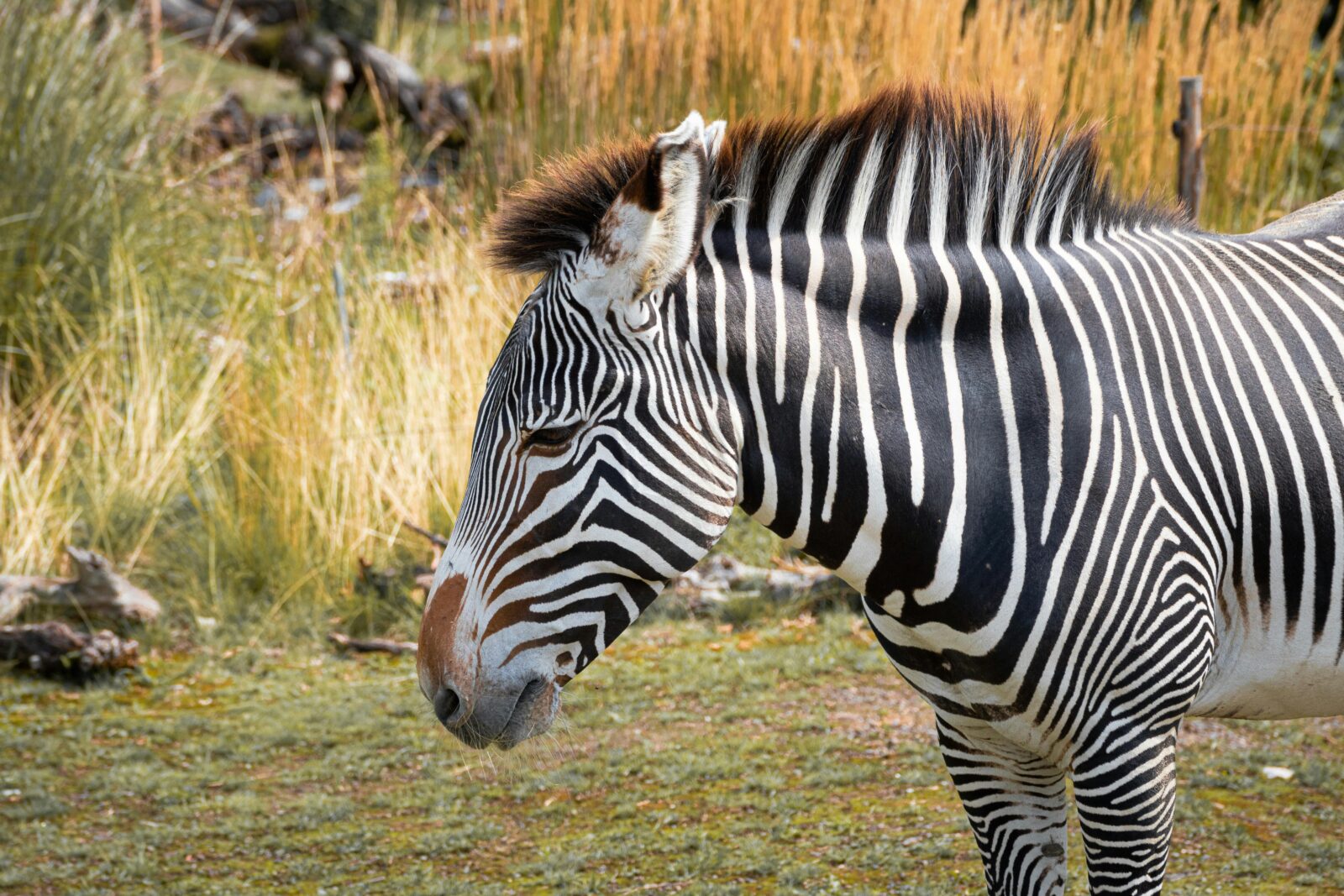
The Masai Mara National Reserve is particularly famous for the annual Great Migration, when millions of wildebeest and zebras move across the savannah. Other major wildlife destinations include Amboseli National Park, known for large elephant herds, and Samburu National Reserve, where rare northern species such as the Grevy’s zebra can be seen.
Wildlife in Madagascar
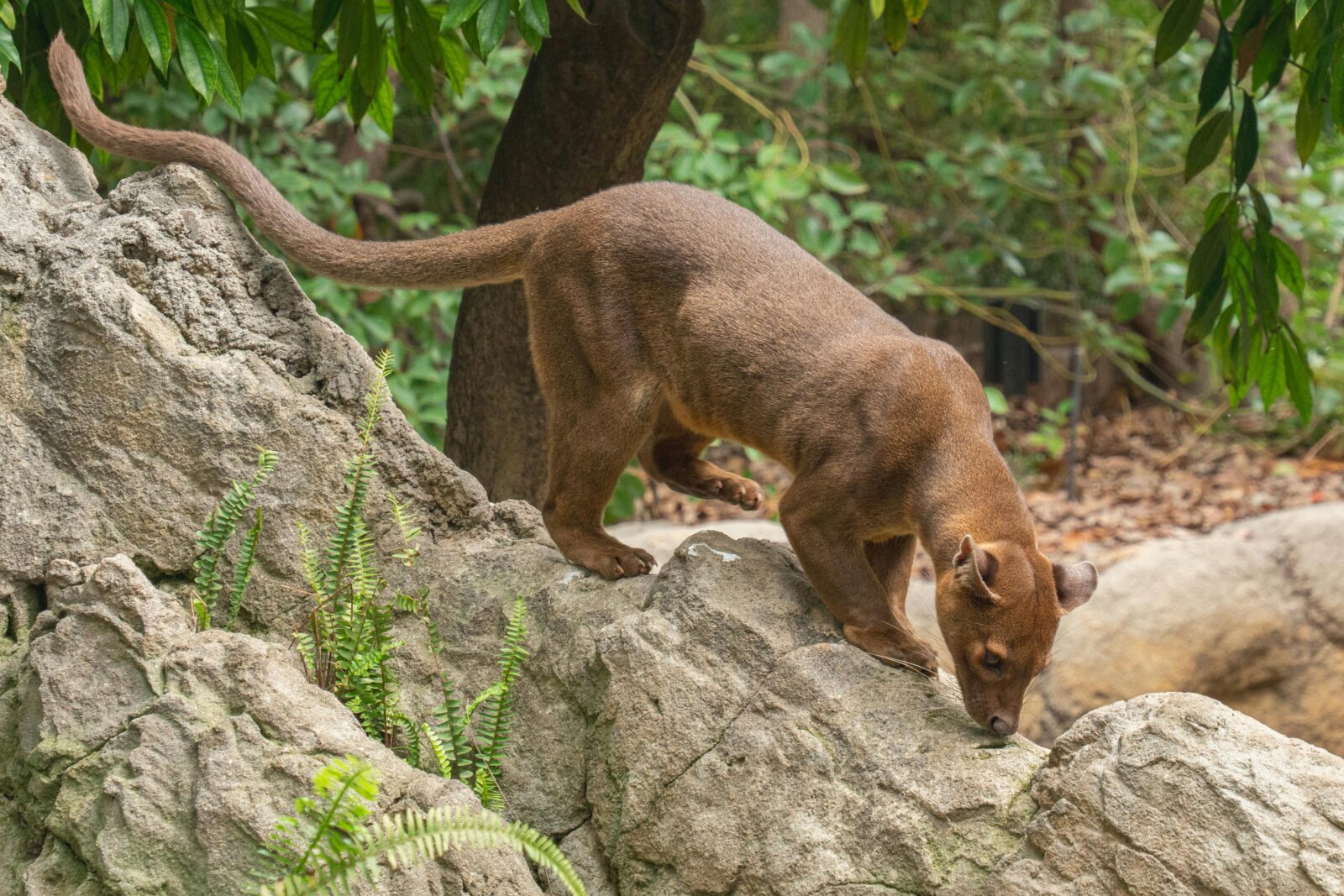
Madagascar stands out for its extraordinary biodiversity and high number of endemic species. Because the island separated from mainland Africa millions of years ago, its wildlife evolved in unique ways.
Among the most famous animals are lemurs, which exist in dozens of species across the island. Other notable wildlife includes the fossa, chameleons, and unique bird species. Protected areas such as Andasibe-Mantadia National Park and Ranomafana National Park are excellent locations for observing Madagascar’s wildlife.

Wildlife in Malawi
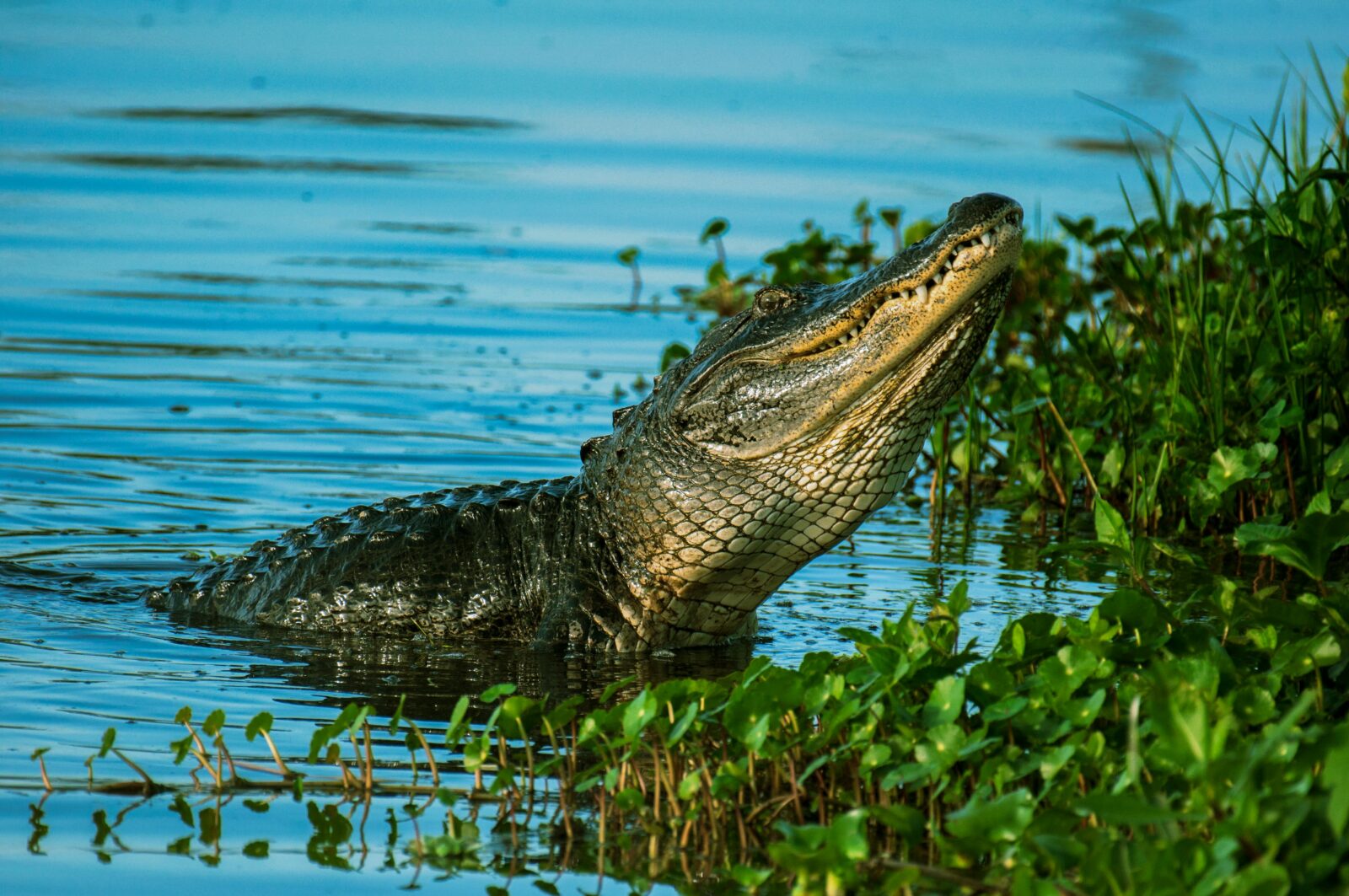
Malawi is a smaller safari destination but offers impressive wildlife conservation areas that protect elephants, lions, leopards, and antelope species. Conservation efforts in recent years have significantly restored wildlife populations in the country’s national parks.
Liwonde National Park is one of the best places to see elephants, hippos, crocodiles, and numerous bird species along the Shire River. Nyika National Park offers a different environment with rolling grasslands supporting antelope and zebra populations.
Wildlife in Mozambique
Mozambique’s wildlife is found both on land and in marine ecosystems. National parks such as Gorongosa National Park support lions, elephants, buffalo, hippos, and numerous antelope species.
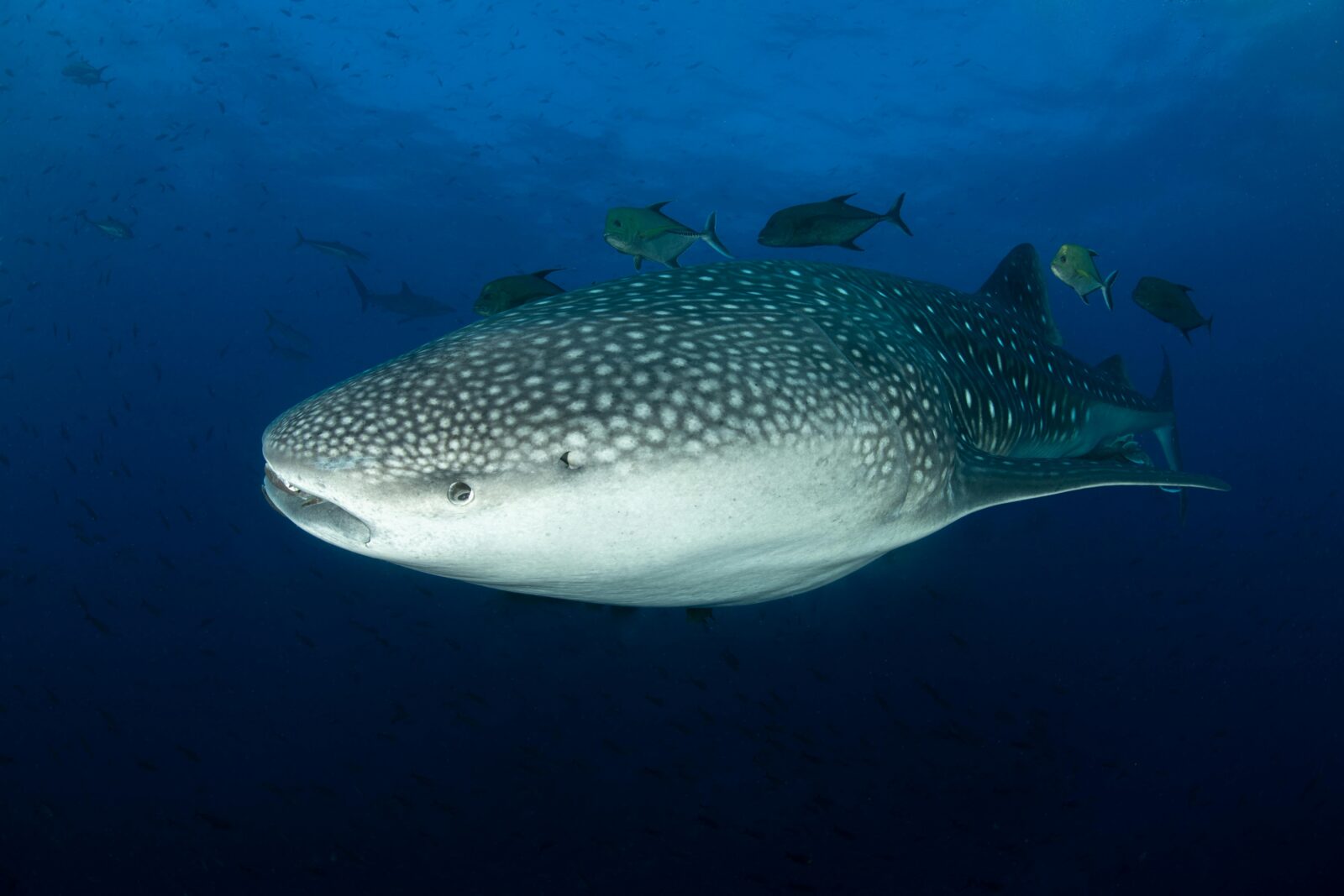
Mozambique is also famous for marine wildlife. The waters around the Bazaruto Archipelago host whale sharks, manta rays, dolphins, and sea turtles, making the country a major destination for diving and marine exploration.

Wildlife in Namibia
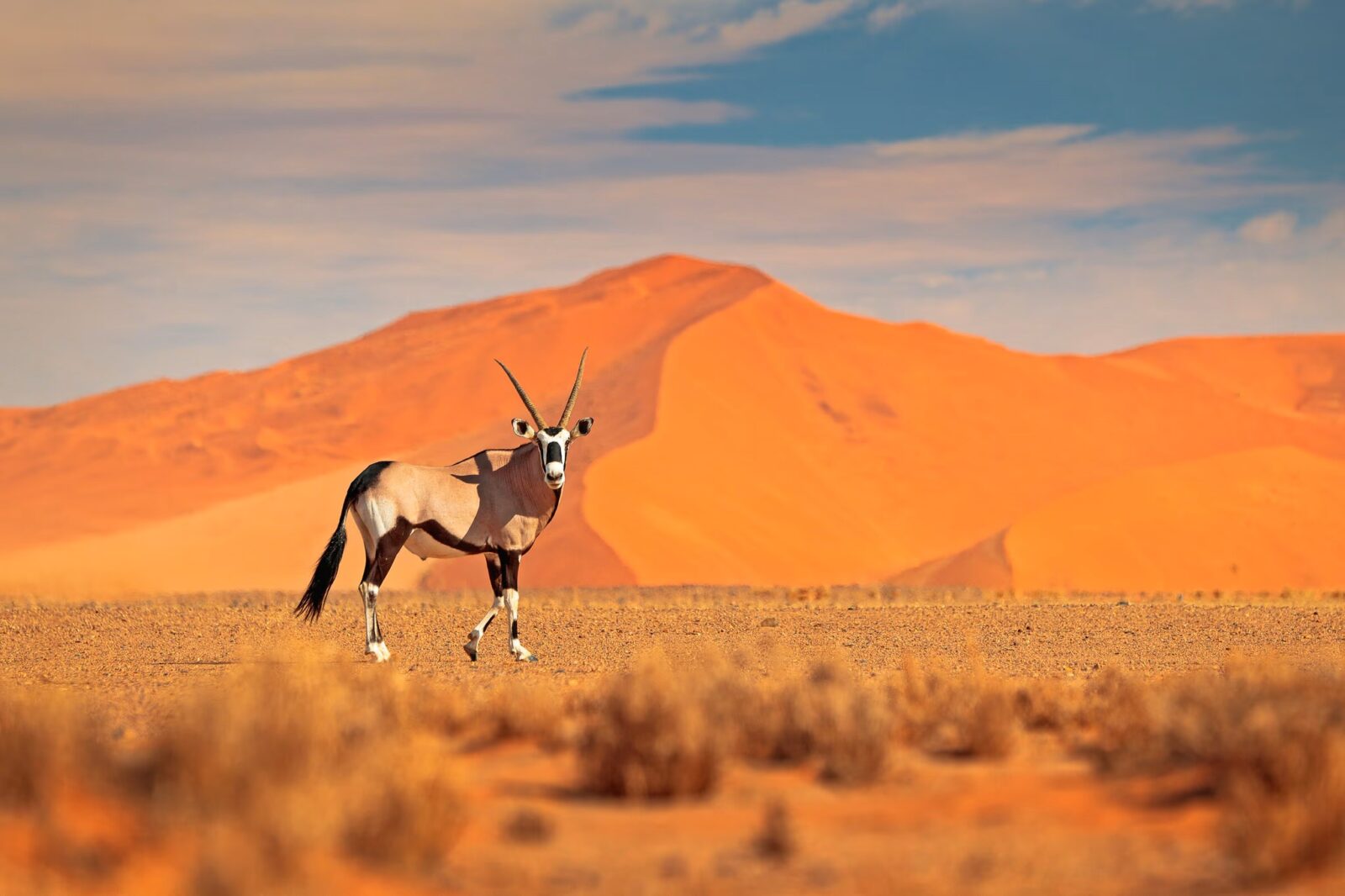
Namibia’s desert landscapes support remarkable wildlife adapted to harsh environments. Animals such as desert-adapted elephants, black rhinos, lions, and springbok inhabit the country’s arid regions.
The Etosha National Park is Namibia’s most famous wildlife destination, where animals gather around waterholes during dry seasons. The Namib Desert also supports unique wildlife such as oryx and desert foxes.
Wildlife in Rwanda
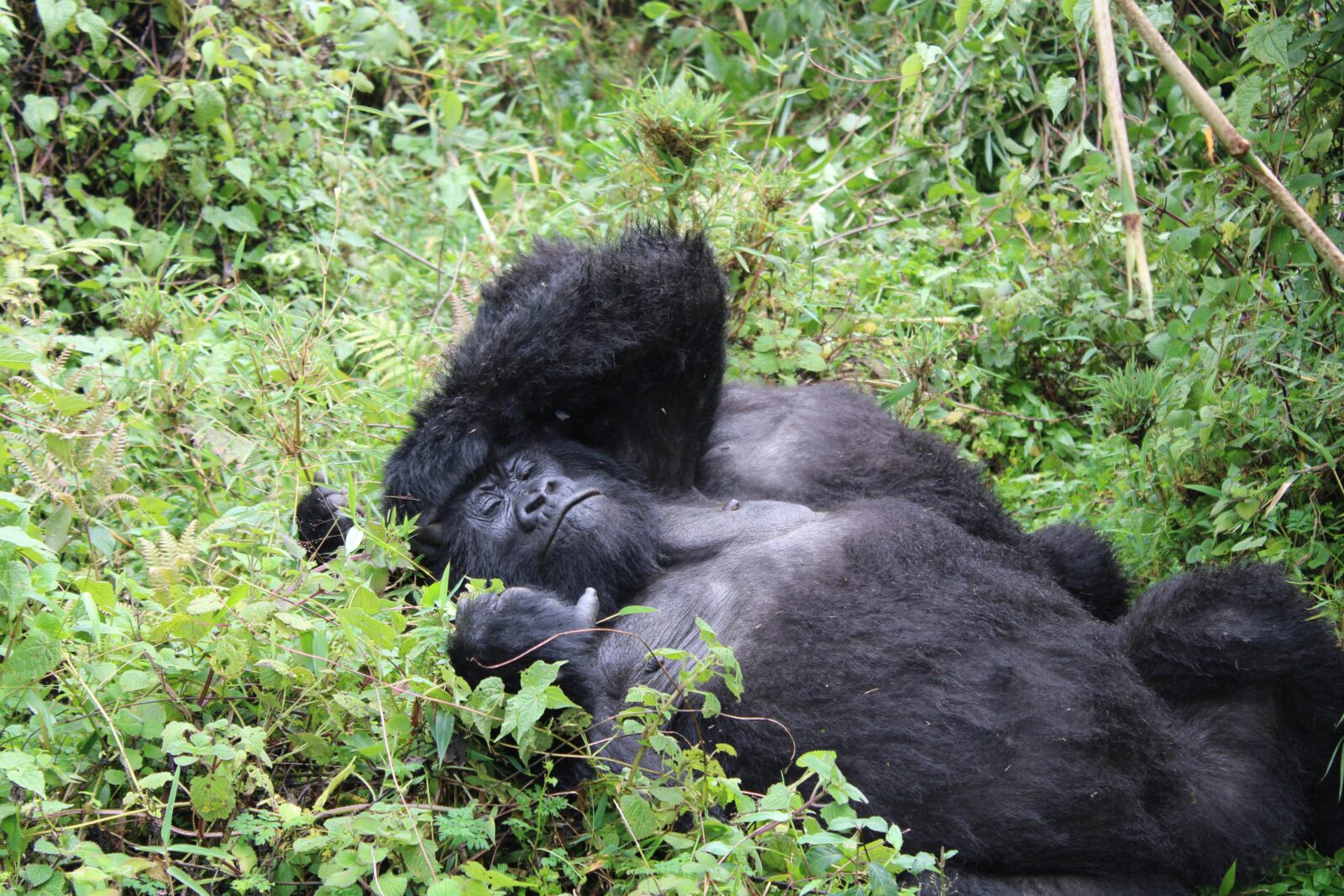
Rwanda is internationally recognized for its mountain gorilla populations living in Volcanoes National Park. These gorillas represent one of the most important conservation successes in Africa.
In addition to gorillas, Rwanda’s Akagera National Park supports lions, elephants, giraffes, zebras, and hippos. The country also hosts chimpanzees and primates in Nyungwe Forest National Park.

Wildlife in South Africa
South Africa offers one of the most diverse wildlife tourism sectors on the continent. The country protects the Big Five along with hundreds of other species in its national parks and private reserves.
Kruger National Park is the largest and most famous wildlife area in South Africa, supporting lions, elephants, rhinos, leopards, buffalo, cheetahs, and numerous antelope species. Coastal regions also provide opportunities to observe whales and sharks.
Wildlife in South Sudan
South Sudan hosts vast savannah ecosystems that support large migratory wildlife populations. Species found here include elephants, giraffes, lions, antelope, and buffalo.
One of the most important conservation areas is Boma National Park, which hosts one of Africa’s largest wildlife migrations involving white-eared kob antelopes.


Wildlife in Tanzania
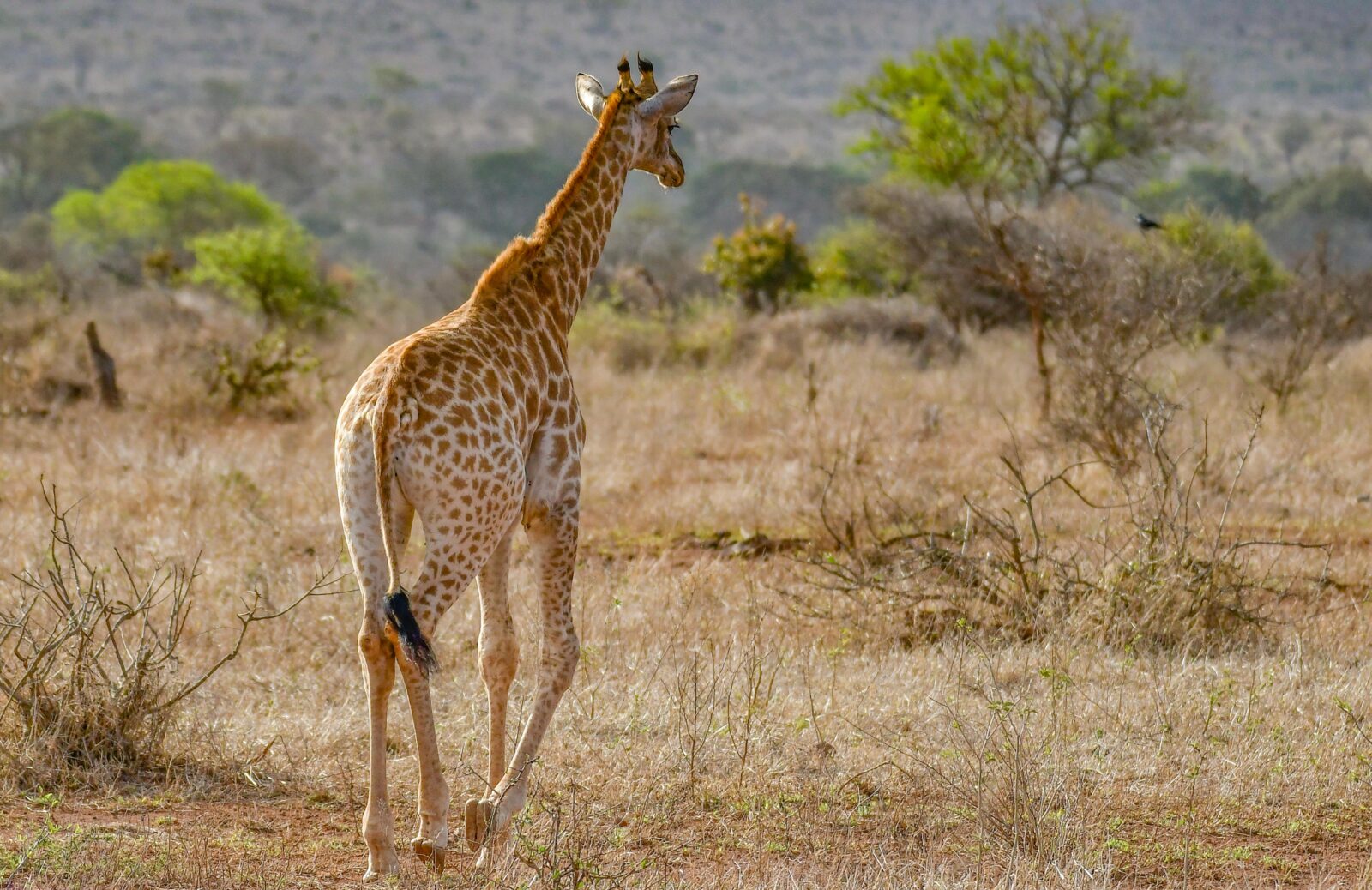
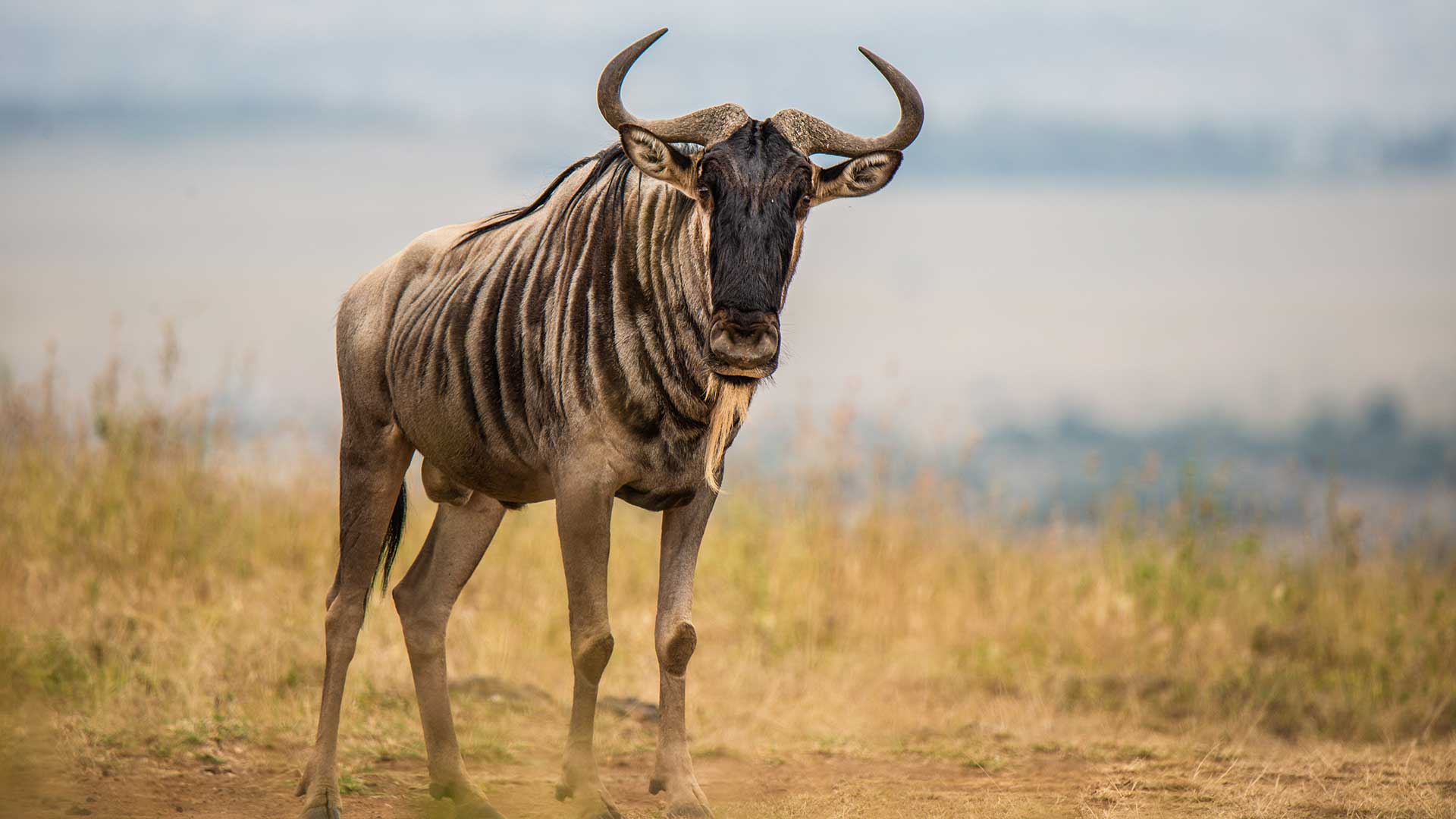
Tanzania is among Africa’s most celebrated wildlife destinations due to its enormous national parks and conservation areas. The country supports large populations of lions, elephants, giraffes, zebras, wildebeest, and numerous predators.
The Serengeti National Park is world famous for the Great Migration, while the Ngorongoro Conservation Area offers exceptional wildlife viewing in a volcanic crater ecosystem.
Wildlife in Uganda
Uganda combines savannah wildlife with rare primate species. The country hosts lions, elephants, buffalo, giraffes, hippos, and leopards across its national parks.
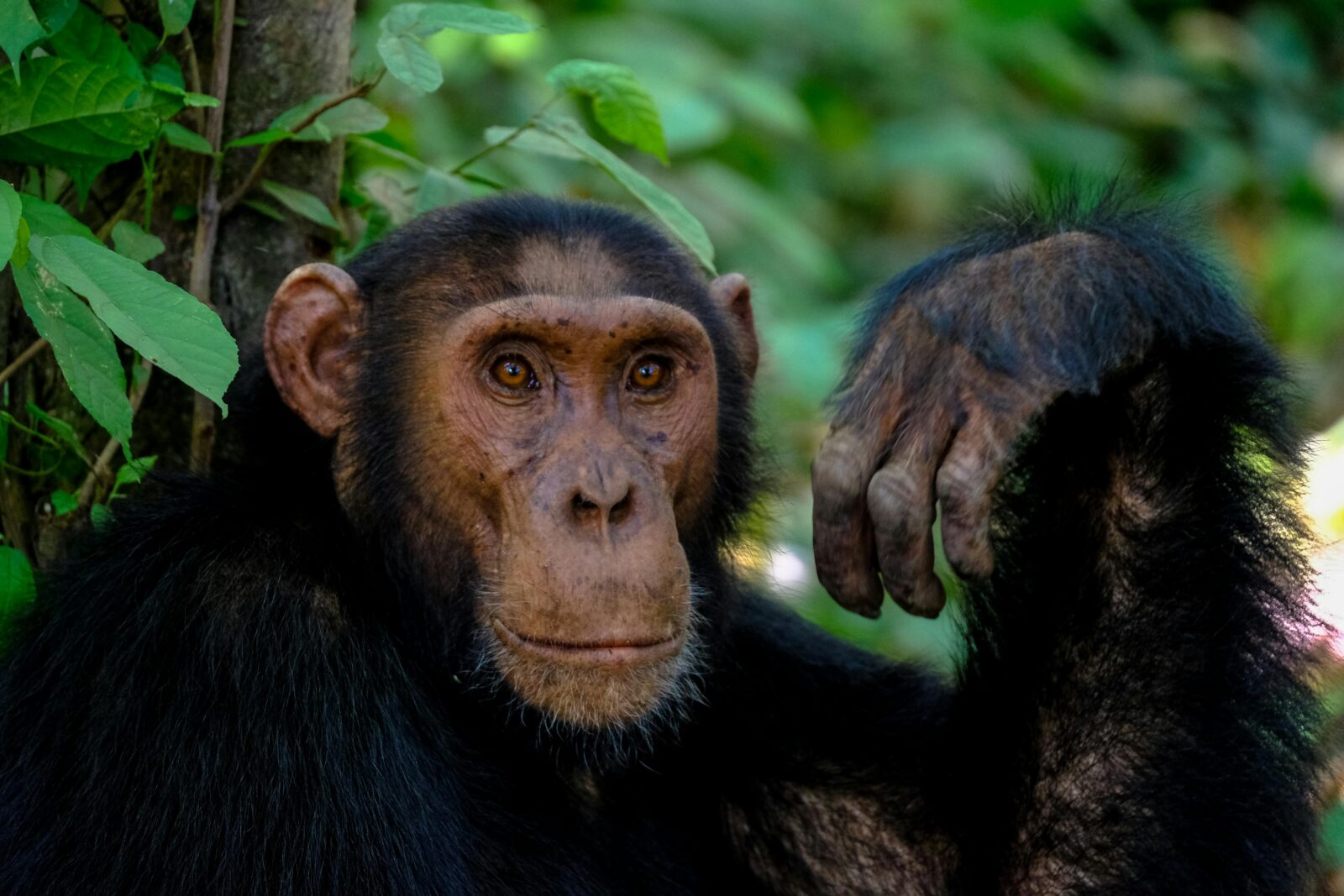
Uganda is particularly famous for mountain gorillas in Bwindi Impenetrable National Park and chimpanzees in Kibale National Park. Queen Elizabeth National Park also supports tree-climbing lions and large hippo populations.

Wildlife in Zambia
Zambia offers some of Africa’s most authentic safari experiences with large wilderness areas and relatively low visitor numbers. Wildlife species include lions, elephants, leopards, buffalo, wild dogs, and numerous antelope species.
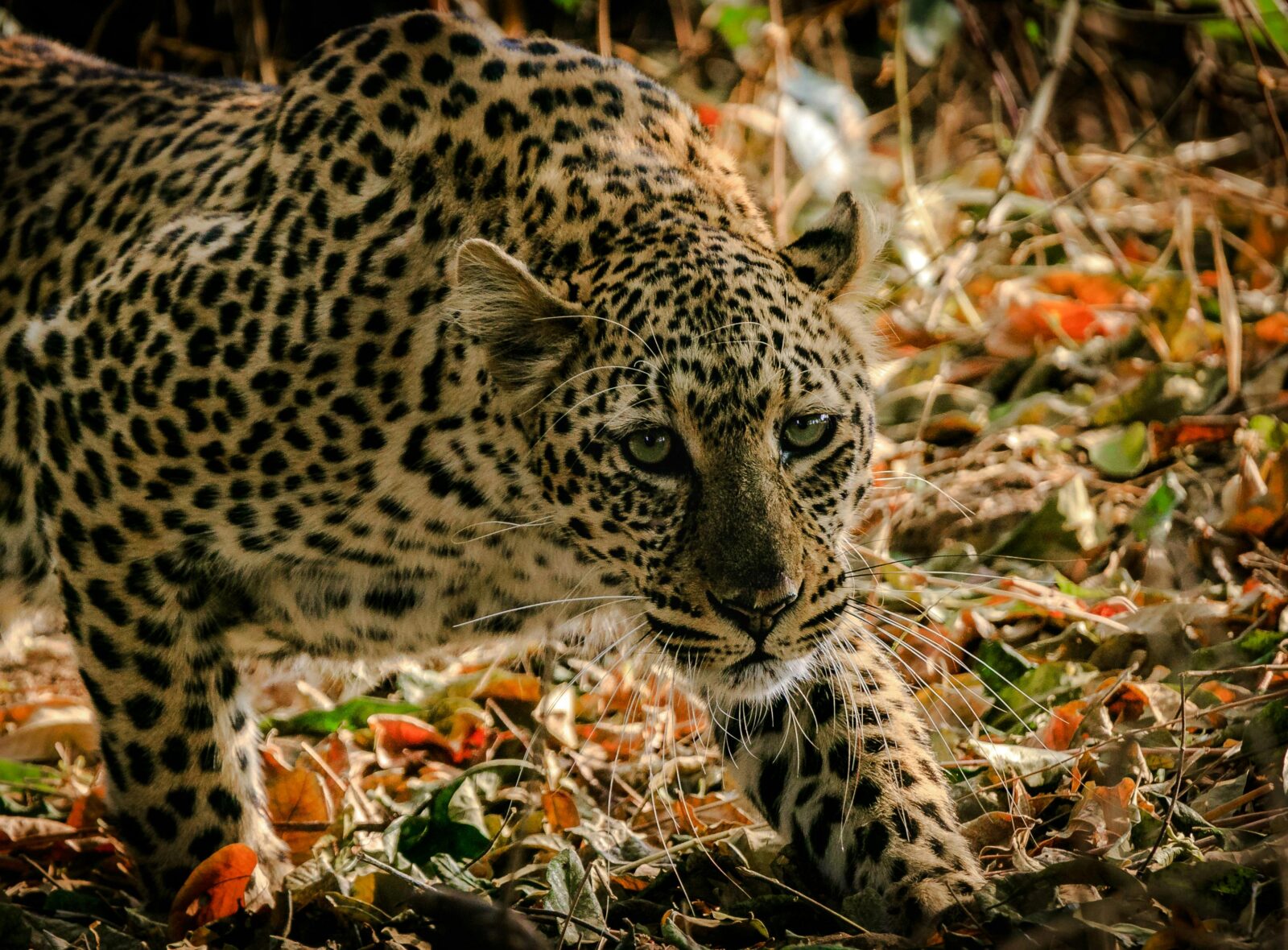
South Luangwa National Park is especially renowned for its leopard sightings and walking safaris, while Lower Zambezi National Park provides opportunities to observe wildlife along the Zambezi River.
Wildlife in Zimbabwe
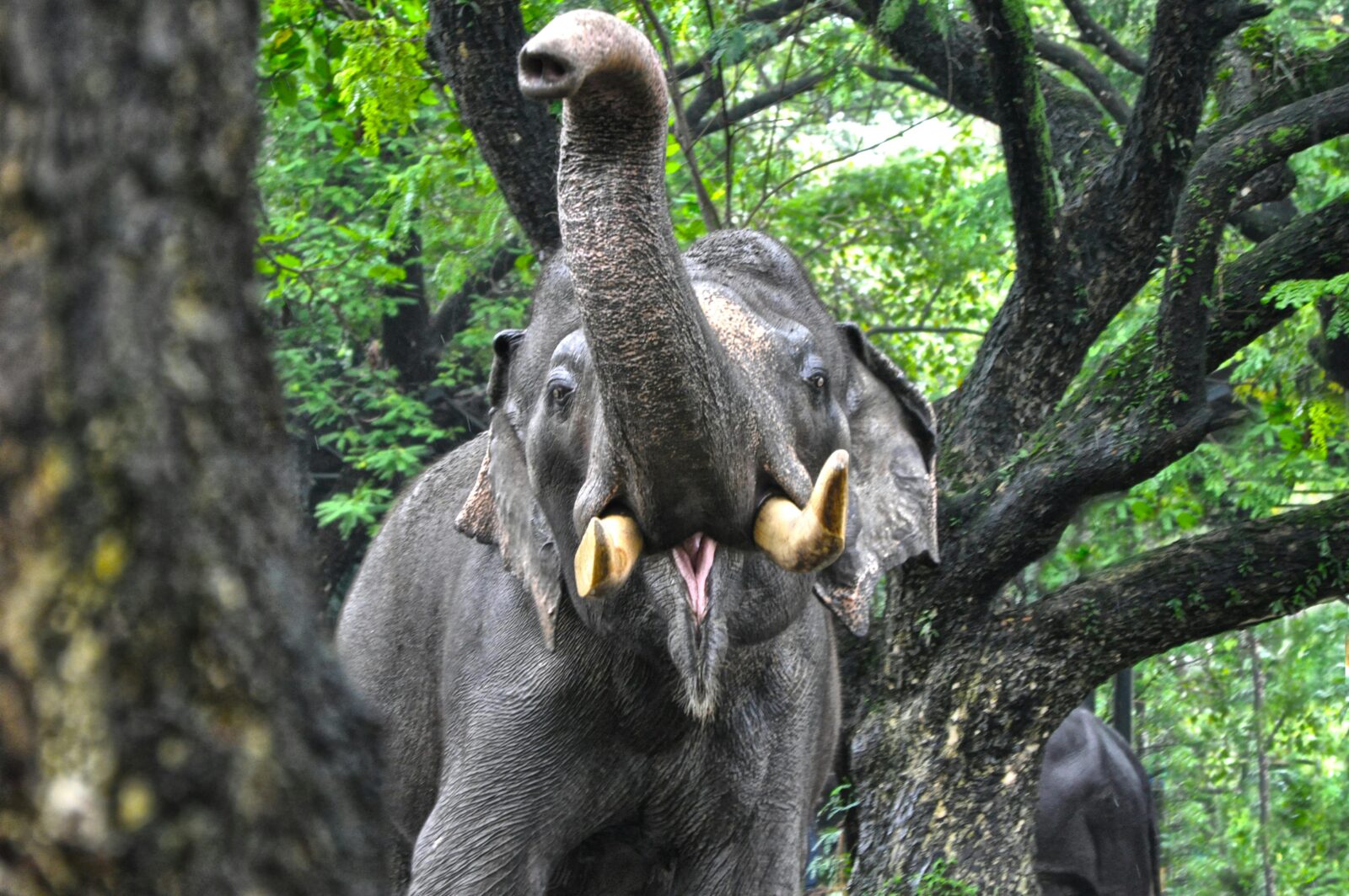
Zimbabwe is home to exceptional wildlife populations in national parks such as Hwange National Park, which supports one of Africa’s largest elephant populations.
Other species found in Zimbabwe include lions, leopards, buffalo, cheetahs, and numerous antelope species. Mana Pools National Park, located along the Zambezi River, offers unique walking safari experiences and outstanding wildlife viewing.
Frequently asked questions
What wildlife species are most commonly found in Africa?
The most commonly known wildlife in Africa includes the Big Five—lion, elephant, leopard, buffalo, and rhinoceros. Other widely seen animals include giraffes, zebras, wildebeest, cheetahs, hyenas, hippos, crocodiles, and numerous antelope species.
Where can the Big Five be seen in Africa?
The Big Five can be seen in several African destinations including Kenya, Tanzania, South Africa, Botswana, Zimbabwe, Zambia, Namibia, and Uganda, particularly in large national parks and private wildlife reserves.
Which African country has the most wildlife diversity?
Countries such as Tanzania, Kenya, South Africa, and Botswana are known for their exceptional wildlife diversity due to their large protected areas and well-managed conservation systems.
Where can travelers see gorillas in Africa?
Mountain gorillas can be found in Uganda, Rwanda, and the Democratic Republic of Congo, particularly in Bwindi Impenetrable National Park, Volcanoes National Park, and Virunga National Park.
What is the Great Migration in Africa?
The Great Migration is one of the most spectacular wildlife events in the world where millions of wildebeest, zebras, and gazelles migrate between Tanzania’s Serengeti National Park and Kenya’s Masai Mara ecosystem.
Which national parks are best for wildlife safaris in Africa?
Some of the best parks include Serengeti National Park (Tanzania), Masai Mara National Reserve (Kenya), Kruger National Park (South Africa), Chobe National Park (Botswana), Etosha National Park (Namibia), and South Luangwa National Park (Zambia).
Are there unique wildlife species only found in Africa?
Yes, Africa hosts many unique species including African elephants, lions, giraffes, cheetahs, zebras, okapis, and various antelope species, many of which are found only on the continent.
Which African country is best for elephant viewing?
Botswana, especially in Chobe National Park and the Okavango Delta, has one of the largest elephant populations in Africa.
Where can rare rainforest wildlife be seen in Africa?
Rainforest wildlife such as lowland gorillas, forest elephants, and chimpanzees can be found in Central African countries like Gabon and Congo.
Which African destinations are best for birdwatching?
Countries such as Uganda, Kenya, South Africa, Tanzania, and Zambia offer excellent birdwatching opportunities with hundreds of bird species found across wetlands, forests, and savannah ecosystems.
What wildlife can be seen in desert regions of Africa?
Desert wildlife includes oryx, springbok, desert-adapted elephants, hyenas, and desert foxes, particularly in Namibia’s Namib and Kalahari desert regions.
Which African parks are best for seeing predators?
Predators such as lions, leopards, cheetahs, and wild dogs are commonly seen in Serengeti National Park, Masai Mara, Kruger National Park, and South Luangwa National Park.
Where can marine wildlife be seen in Africa?
Marine wildlife including whale sharks, dolphins, manta rays, and sea turtles can be found along the coasts of Mozambique, Madagascar, South Africa, Egypt, and Tanzania.
Which African countries have chimpanzees?
Chimpanzees can be found in Uganda, Tanzania, Congo, Gabon, and Rwanda, especially in forest ecosystems such as Kibale National Park and Gombe Stream National Park.
What is the best time to see wildlife in Africa?
Wildlife viewing is often best during the dry season, when animals gather around water sources and vegetation is less dense, making them easier to spot.
Which African destination is best for walking safaris?
Zambia, particularly South Luangwa National Park, is widely considered the birthplace of the walking safari experience.
Can wildlife be seen outside national parks in Africa?
Yes, many wildlife populations live in private conservancies, community reserves, and protected landscapes outside national parks, especially in Kenya, South Africa, and Namibia.
Are wildlife safaris safe in Africa?
When conducted with professional guides and within designated reserves, wildlife safaris are considered safe and carefully regulated to protect both visitors and animals.
How does tourism help protect wildlife in Africa?
Safari tourism supports conservation by funding national park protection, wildlife research, anti-poaching efforts, and local community development programs.
Why is Africa considered the best place for wildlife safaris?
Africa offers vast protected ecosystems, high wildlife populations, and iconic species that exist in natural habitats, making wildlife in Africa among the most spectacular wildlife experiences on the planet.
The diversity of ecosystems across Botswana, Congo, Egypt, Ethiopia, Gabon, Kenya, Madagascar, Malawi, Mozambique, Namibia, Rwanda, South Africa, South Sudan, Tanzania, Uganda, Zambia, and Zimbabwe supports an extraordinary range of wildlife species. From gorillas in mountain forests to elephants roaming vast savannahs and marine life thriving along tropical coastlines, wildlife in Africa represents one of the planet’s greatest natural treasures.
Protecting these ecosystems remains vital not only for conservation but also for sustainable tourism that allows future generations to experience Africa’s remarkable wildlife heritage.