


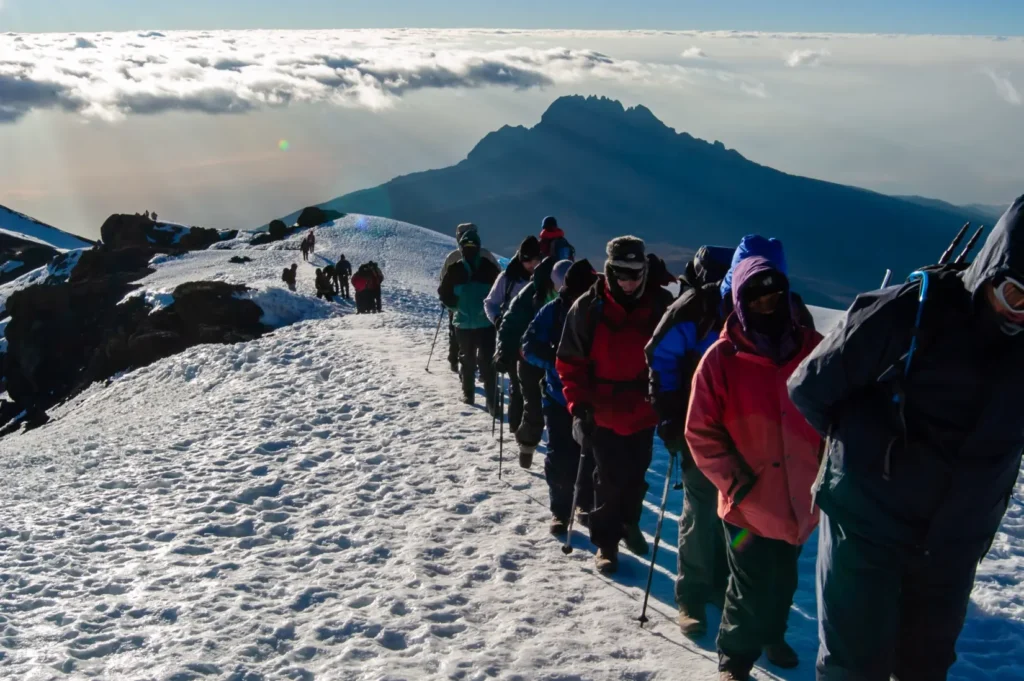
Hiking & Climbing
Mountain hiking experiences
“Discover Hiking & Climbing experiences, safety, fitness, duration, and top adventures. Complete expert guide for travelers.”
Hiking & Climbing stand among the most immersive and transformative outdoor experiences available to modern travelers. These activities go far beyond simple recreation; they open access to remote landscapes, untouched ecosystems, and deeply personal challenges that reshape how individuals relate to nature and themselves. Across Africa and the world, interest in hiking and climbing experiences continues to rise as travelers seek authentic, physically engaging journeys rather than passive sightseeing.
From the mist-covered trails of East Africa’s volcanic highlands to the dramatic granite peaks and escarpments that define the continent’s skyline, Hiking & Climbing deliver a rare combination of adventure, discovery, and purpose. These experiences allow travelers to move through landscapes slowly, deliberately, and with intention. Every step reveals new perspectives, whether through shifting vegetation zones, changing altitude, or encounters with wildlife and local cultures.
Unlike many travel activities that focus on comfort and convenience, hiking and climbing demand presence. The terrain challenges the body. The altitude tests endurance. The environment requires awareness. Yet, within that challenge lies a powerful reward: a deeper connection to the natural world and a strong sense of personal achievement.
In Africa, destinations such as Mount Kilimanjaro, the Rwenzori Mountains, Mount Kenya, and the Virunga Volcanoes have positioned the continent as a premier destination for both hiking safaris and mountain climbing expeditions. These locations combine raw natural beauty with biodiversity, cultural significance, and world-class trekking routes.
Understanding Hiking & Climbing in depth helps travelers prepare effectively, choose the right experience, and maximize both safety and enjoyment. This guide explores every aspect of the experience, from its definition and safety considerations to fitness requirements, duration, and the unique reasons that make it a compelling choice.
What is this kind of experience?
Hiking & Climbing represent a spectrum of outdoor exploration activities that involve moving across natural terrain on foot, often in remote or mountainous environments. While the two terms often appear together, they describe slightly different experiences within the same broader category.
Hiking refers to walking across natural landscapes such as forests, hills, valleys, and mountain trails. It can range from short, leisurely walks to multi-day treks that involve significant elevation gain and endurance. Hiking focuses on exploration, scenery, and gradual immersion in nature.
Climbing, on the other hand, involves ascending steep terrain such as mountains, cliffs, or rock faces. It requires additional technical skill, specialized equipment, and a higher level of physical and mental preparation. Climbing can include both non-technical summit ascents, like Mount Kilimanjaro, and technical climbs that require ropes, harnesses, and advanced techniques.
In many African destinations, Hiking & Climbing experiences blend together seamlessly. For example, a trek up Mount Kilimanjaro begins as a hike through rainforest and alpine zones but evolves into a demanding climb toward the summit. Similarly, the Rwenzori Mountains combine trekking through wetlands and glaciers with technical ascents.
This type of experience offers several defining characteristics:
Immersion in natural environments
Travelers spend extended time in ecosystems that remain largely untouched by modern infrastructure. This includes forests, alpine zones, glaciers, and volcanic landscapes.
Progressive physical challenge
The journey builds gradually in difficulty, allowing participants to adapt to altitude, terrain, and endurance demands.
Multi-day expedition structure
Many hiking and climbing experiences extend over several days, requiring overnight stays in camps or mountain lodges.
Guided expertise
Professional guides, porters, and support teams often accompany travelers, ensuring safety, navigation, and logistical efficiency.
Personal achievement and transformation
Reaching a summit or completing a challenging trek creates a strong sense of accomplishment that stays with travelers long after the journey ends.
In essence, Hiking & Climbing transform travel into an active, purpose-driven experience that combines adventure, nature, and personal growth.
Is it safe?
Safety remains one of the most important considerations when evaluating Hiking & Climbing experiences. While these activities involve inherent risks due to terrain, altitude, and environmental conditions, proper planning and professional guidance significantly reduce those risks.
Guided expeditions enhance safety
In destinations such as Uganda, Rwanda, Kenya, and Tanzania, experienced guides play a critical role in ensuring safety. They understand the terrain, weather patterns, and altitude-related risks. They also monitor participants closely for signs of fatigue, dehydration, or altitude sickness.
Altitude awareness and acclimatization
One of the primary risks in mountain environments involves altitude sickness. As elevation increases, oxygen levels decrease, which can affect the body. Well-structured itineraries include acclimatization days that allow the body to adjust gradually. This reduces the likelihood of serious complications.
Proper equipment and preparation
Safety depends heavily on using the right gear. This includes appropriate footwear, layered clothing, trekking poles, and hydration systems. For climbing, additional equipment such as harnesses and helmets may be required.
Weather considerations
Mountain weather can change rapidly. Rain, fog, and temperature drops can affect visibility and trail conditions. Professional guides monitor weather forecasts and adjust routes or schedules when necessary.
Physical readiness
Participants who prepare physically before the journey reduce their risk of injury or exhaustion. Training improves endurance, balance, and resilience.
Emergency response systems
Many established hiking and climbing routes include emergency evacuation plans. In East Africa, rescue teams, park authorities, and helicopter services remain available in case of serious emergencies.
Although Hiking & Climbing involve controlled risk, they remain safe for most travelers when approached responsibly. Choosing reputable operators, following guide instructions, and respecting personal limits all contribute to a safe and enjoyable experience.
How does it differ from other experiences?
Hiking & Climbing stand apart from traditional travel experiences in several key ways, offering a level of engagement and immersion that few other activities can match.
Active participation instead of passive observation
Unlike game drives or city tours, hiking and climbing require continuous physical involvement. Travelers become active participants in the environment rather than observers.
Deep connection with nature
These experiences take place in remote areas where infrastructure remains minimal. Travelers interact directly with landscapes, weather, and natural elements.
Slower pace with greater depth
Moving on foot allows travelers to notice details often missed during faster modes of transport. Changes in vegetation, sounds of wildlife, and subtle shifts in terrain become more apparent.
Physical and mental challenge
Hiking and climbing test endurance, determination, and resilience. This challenge creates a stronger sense of achievement compared to more relaxed travel activities.
Extended time in one environment
Multi-day treks allow travelers to fully understand a landscape. Each day reveals new layers of the same environment rather than constantly moving between destinations.
Cultural interaction opportunities
In regions like East Africa, hiking routes often pass through local communities. Travelers gain insight into traditional lifestyles, agriculture, and cultural practices.
Transformational impact
The combination of effort, nature, and isolation often leads to personal reflection and growth. Many travelers describe hiking and climbing as life-changing experiences.
These differences position Hiking & Climbing as a premium experience for travelers seeking depth, authenticity, and meaningful engagement.
Level of fitness needed
The level of fitness required for Hiking & Climbing varies depending on the specific destination and route. However, a general baseline of physical readiness ensures a safer and more enjoyable experience.
Moderate fitness for standard hiking
Short hikes and low-altitude treks require basic fitness. Participants should feel comfortable walking for several hours on uneven terrain.
Good fitness for multi-day treks
Longer hikes, such as those in the Rwenzori Mountains or Mount Kenya, demand endurance. Participants should handle daily walks of 5–8 hours, often with elevation gain.
High fitness for climbing expeditions
Summit climbs like Mount Kilimanjaro or technical routes require strong cardiovascular endurance, muscle strength, and mental resilience.
Key physical attributes required include:
Endurance allows participants to sustain activity over several days.
Strength supports movement across steep and uneven terrain.
Balance and coordination help prevent slips and injuries.
Mental stamina ensures persistence during challenging moments.
Preparation often includes regular walking, hiking, or gym-based training in the months leading up to the trip. Practicing on hills or stairs helps simulate real conditions.
While elite athletic ability is not required, consistent preparation significantly improves success rates and overall enjoyment.
How long does it take?
The duration of Hiking & Climbing experiences varies widely based on destination, difficulty, and personal preference.
Short hikes (half-day to full-day)
These experiences provide a quick introduction to hiking. They suit travelers with limited time or those seeking lighter activity.
Multi-day treks (2–7 days)
Most popular hiking experiences fall within this range. Examples include treks in the Virunga Mountains or Mount Kenya routes.
Extended expeditions (7–12+ days)
High-altitude climbs such as Mount Kilimanjaro or the Rwenzori Mountains require longer durations. These itineraries include acclimatization and rest days.
Factors influencing duration include:
- Altitude and terrain complexity
- Weather conditions
- Route selection
- Group pace and fitness levels
Travelers should choose durations that balance ambition with comfort. Longer itineraries often increase success rates, especially for summit climbs.
5 things to see and do on this experience
Explore diverse ecosystems
Hiking & Climbing journeys reveal multiple ecological zones within a single expedition. Travelers move from tropical forests to alpine landscapes, witnessing dramatic environmental transitions.
Reach iconic summits
Standing at the summit of a mountain represents one of the most rewarding moments in any hiking or climbing experience. Locations such as Kilimanjaro’s Uhuru Peak deliver unmatched views and personal achievement.
Encounter unique wildlife
Mountain regions host species that rarely appear in traditional safari settings. These include primates, birds, and high-altitude fauna adapted to specific environments.
Engage with local communities
Many trails pass through villages where travelers interact with local people. These interactions provide insight into cultural traditions and daily life.
Experience sunrise and sunset at altitude
Few moments match the beauty of watching the sun rise or set from a mountain viewpoint. The combination of light, elevation, and silence creates unforgettable scenes.
Why should I choose it?
Choosing Hiking & Climbing offers a range of benefits that extend beyond the journey itself.
Personal achievement and confidence
Completing a challenging trek builds confidence and a strong sense of accomplishment.
Authentic connection with nature
Travelers experience landscapes in their raw, unfiltered state.
Health and wellness benefits
Physical activity combined with fresh air improves overall well-being.
Unique travel perspective
Hiking and climbing provide views and access points unavailable through other forms of travel.
Memorable storytelling experiences
The journey creates stories that remain meaningful long after the trip ends.

Frequently Asked Questions
FAQs
Do I need prior experience for Hiking & Climbing?
Most beginner-friendly routes require no prior experience, especially when guided.
What should I pack?
Essential items include hiking boots, layered clothing, water, and a backpack.
Can beginners climb mountains like Kilimanjaro?
Yes, with proper preparation and guidance, beginners can succeed.
Is altitude sickness common?
It can occur but proper acclimatization reduces the risk.
Are guides mandatory?
In many African destinations, guides are required for safety and conservation reasons.
What is the best time for hiking and climbing?
Dry seasons offer better trail conditions and visibility.
How difficult is the experience?
Difficulty varies widely based on route and altitude.
Can children participate?
Some routes allow children, but age limits apply for high-altitude climbs.
What happens in case of emergency?
Rescue systems and evacuation plans are in place on major routes.
Is it worth the effort?
The combination of challenge, scenery, and achievement makes it one of the most rewarding travel experiences available.