What to Pack for African Safaris: Preparing for an African safari requires thoughtful planning to ensure comfort, safety, and practicality while exploring diverse landscapes. From savannah plains and tropical forests to mountain regions and coastal environments, travelers encounter varying climates and terrain across the continent. Knowing what to pack for Africa safaris helps visitors enjoy wildlife experiences, outdoor activities, and travel between destinations without unnecessary inconvenience.
Packing correctly allows travelers to remain comfortable during long game drives, guided walks, primate trekking, and cultural excursions. The goal is to bring lightweight, versatile items that provide protection from the sun, changing temperatures, and rugged outdoor environments.
Clothing for African Safari Environments
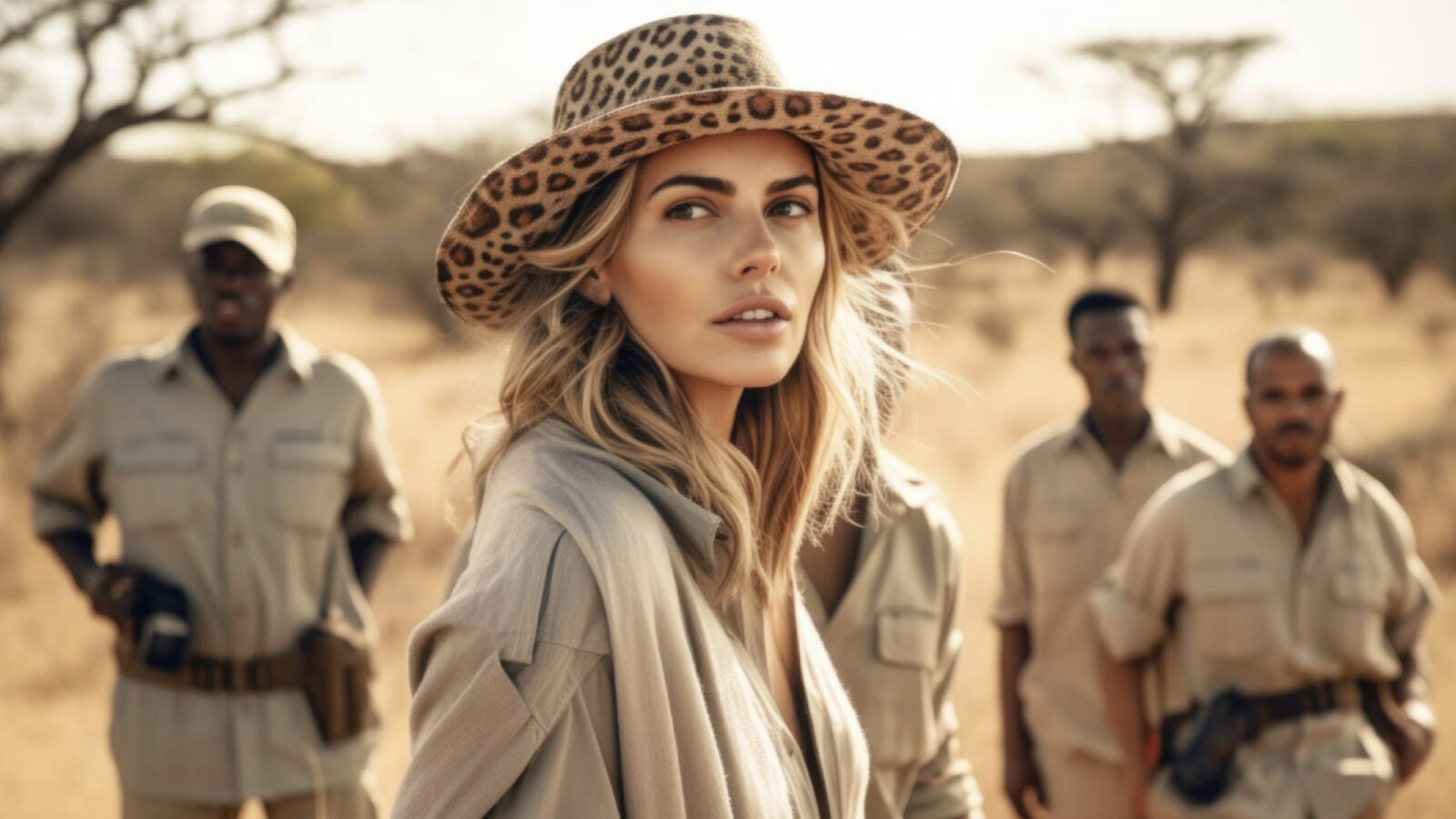
When considering what to pack for Africa safaris, clothing should focus on comfort, durability, and neutral colors that blend with natural surroundings. Safari clothing should ideally be lightweight, breathable, and suitable for warm daytime temperatures while also providing warmth during cooler mornings and evenings.
Neutral tones such as khaki, beige, olive, and brown are recommended because they help travelers blend into the environment and avoid attracting insects. Long-sleeved shirts and lightweight trousers provide protection against sun exposure and insects while remaining comfortable in warm climates.
Layering is also important. Early morning game drives can be cool, especially in open safari vehicles, while afternoons often become hot. A light jacket or fleece is therefore useful for temperature changes.
Footwear for Safari Activities
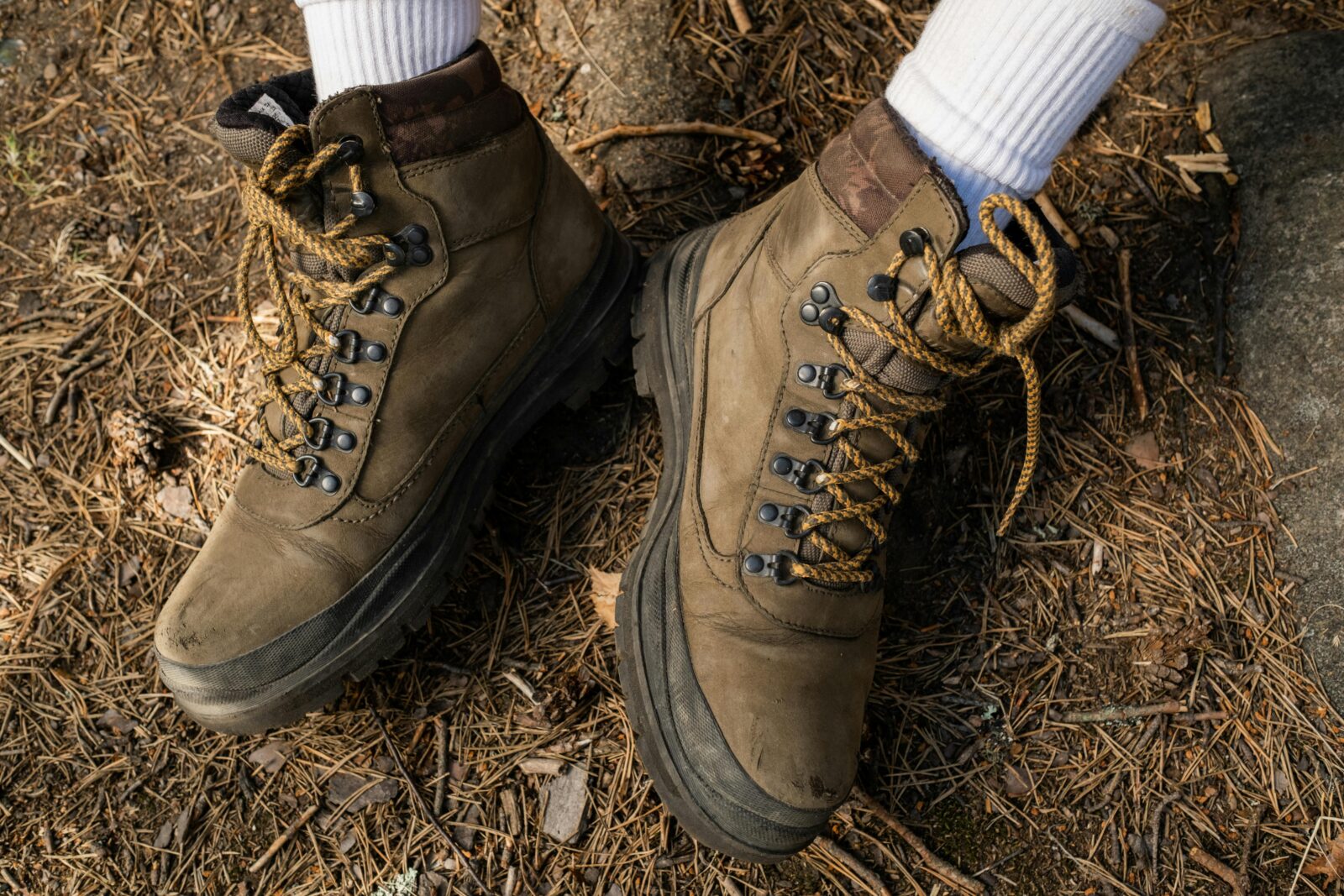
Footwear plays an essential role in ensuring comfort during safari activities. Travelers should bring durable walking shoes or lightweight hiking boots suitable for uneven terrain and nature walks.
Closed shoes are particularly important for activities such as gorilla trekking, chimpanzee tracking, and guided bush walks where forest trails and rocky terrain are common. Comfortable casual shoes or sandals are also useful for relaxing at lodges or moving around camps.
Sun Protection and Personal Comfort
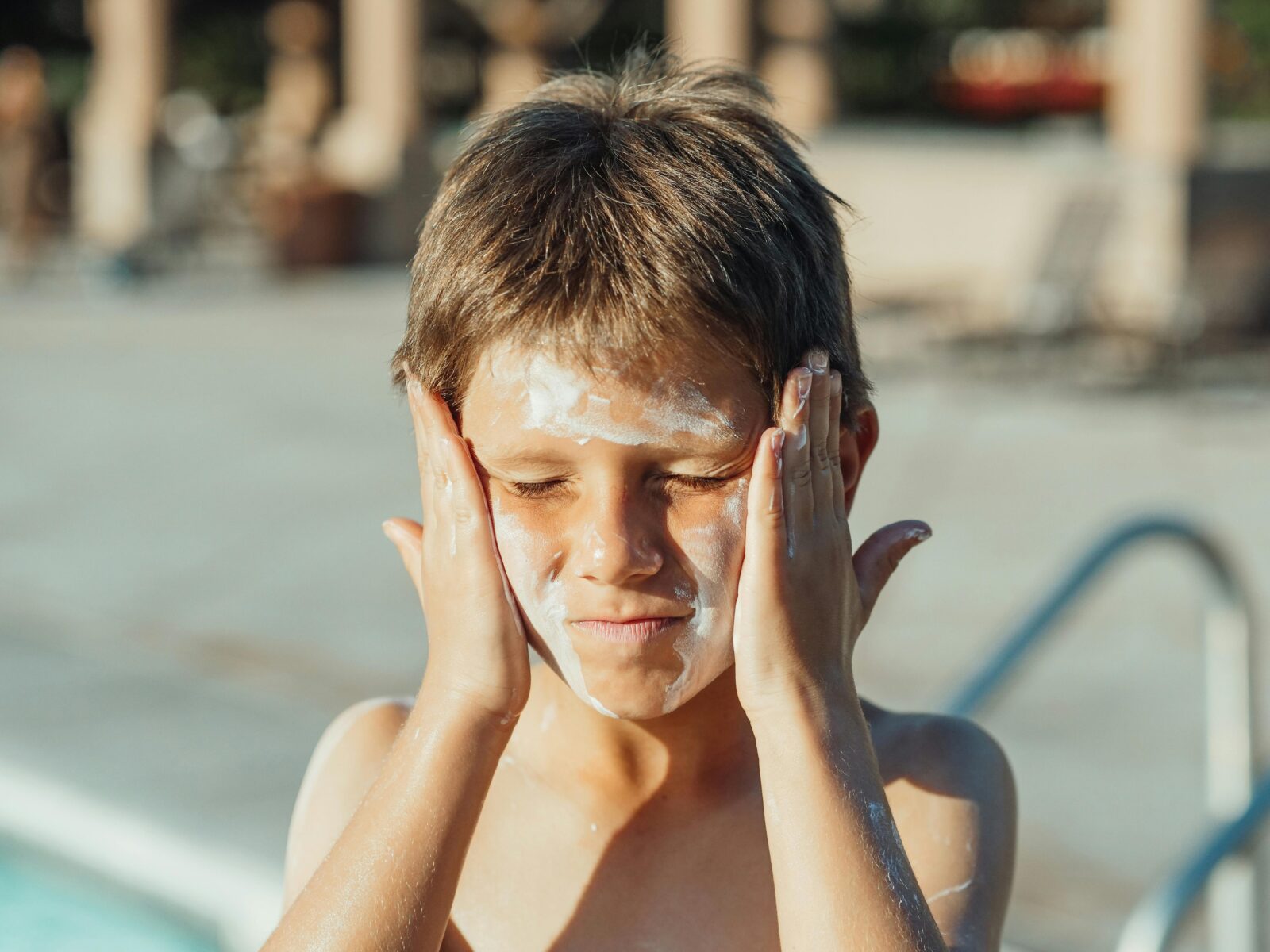
Africa’s strong sunlight requires effective protection throughout the day. Travelers should pack items such as wide-brimmed hats, sunglasses with UV protection, and sunscreen to prevent sunburn.
Lip balm, moisturizing lotion, and insect repellent also contribute to personal comfort during safari travel. Many safari destinations experience dry climates, and insect repellent helps reduce mosquito bites in tropical regions.
Travel Gear and Safari Essentials
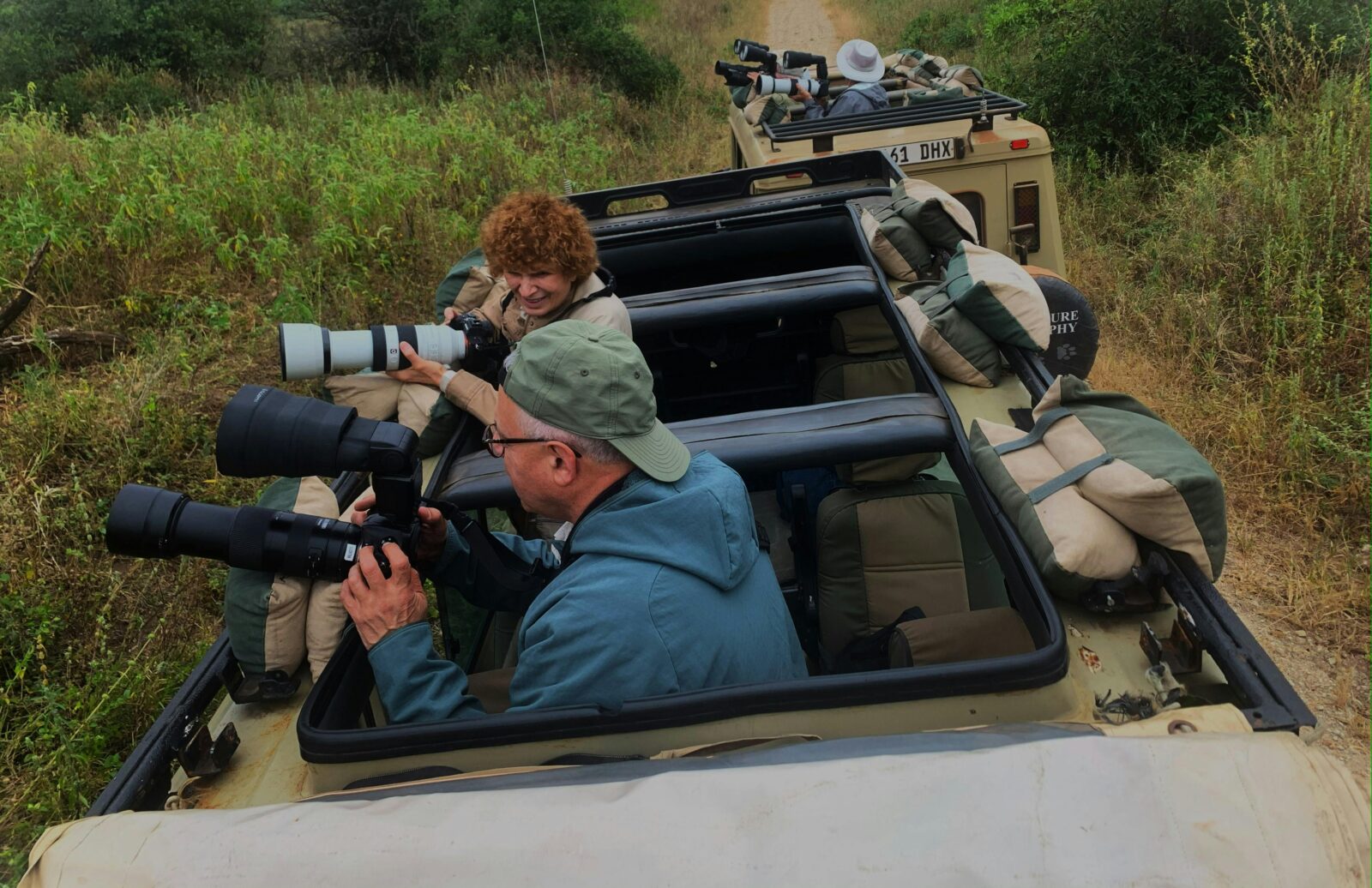
Several practical travel items enhance the safari experience. A good pair of binoculars allows travelers to observe wildlife from a distance, especially birds and animals that remain far from vehicles.
A camera with extra memory cards and batteries is recommended for capturing wildlife encounters and scenic landscapes. A small backpack or daypack helps carry personal items during daily excursions or trekking activities.
Reusable water bottles are also useful for staying hydrated during outdoor activities.
Documents and Travel Accessories
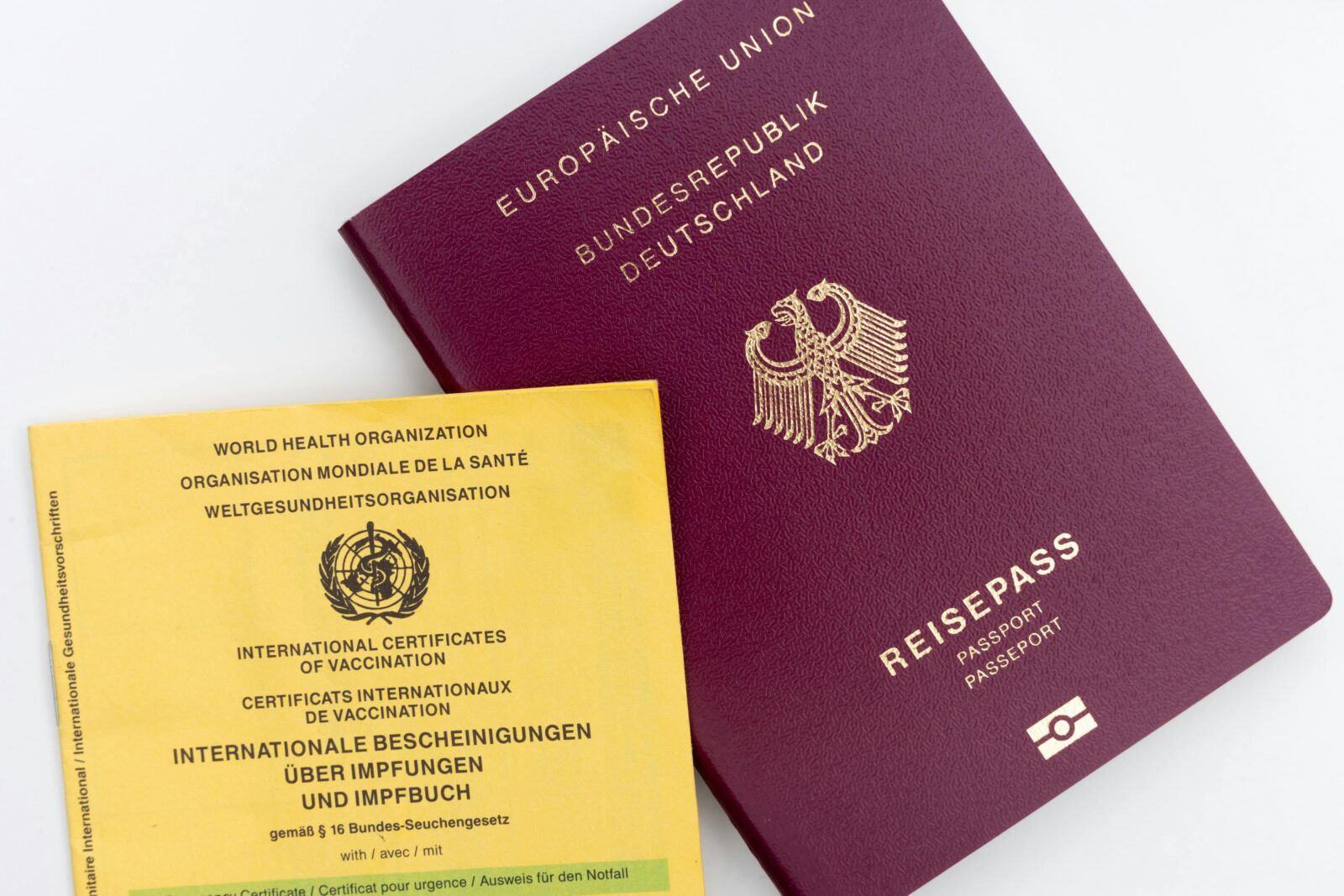
Essential travel documents should be organized and easily accessible during the safari journey. These include passports, visas, travel insurance documents, flight confirmations, and vaccination certificates where required.
Travelers should also carry small personal medical kits with basic medications such as pain relievers, motion sickness tablets, and personal prescriptions. Power adapters are useful since electrical outlets may vary across African countries.
Packing for Specific Safari Activities
Certain safari experiences require additional specialized items. For example, gorilla trekking or rainforest exploration may require waterproof jackets, gloves, and gaiters to protect against mud and vegetation.
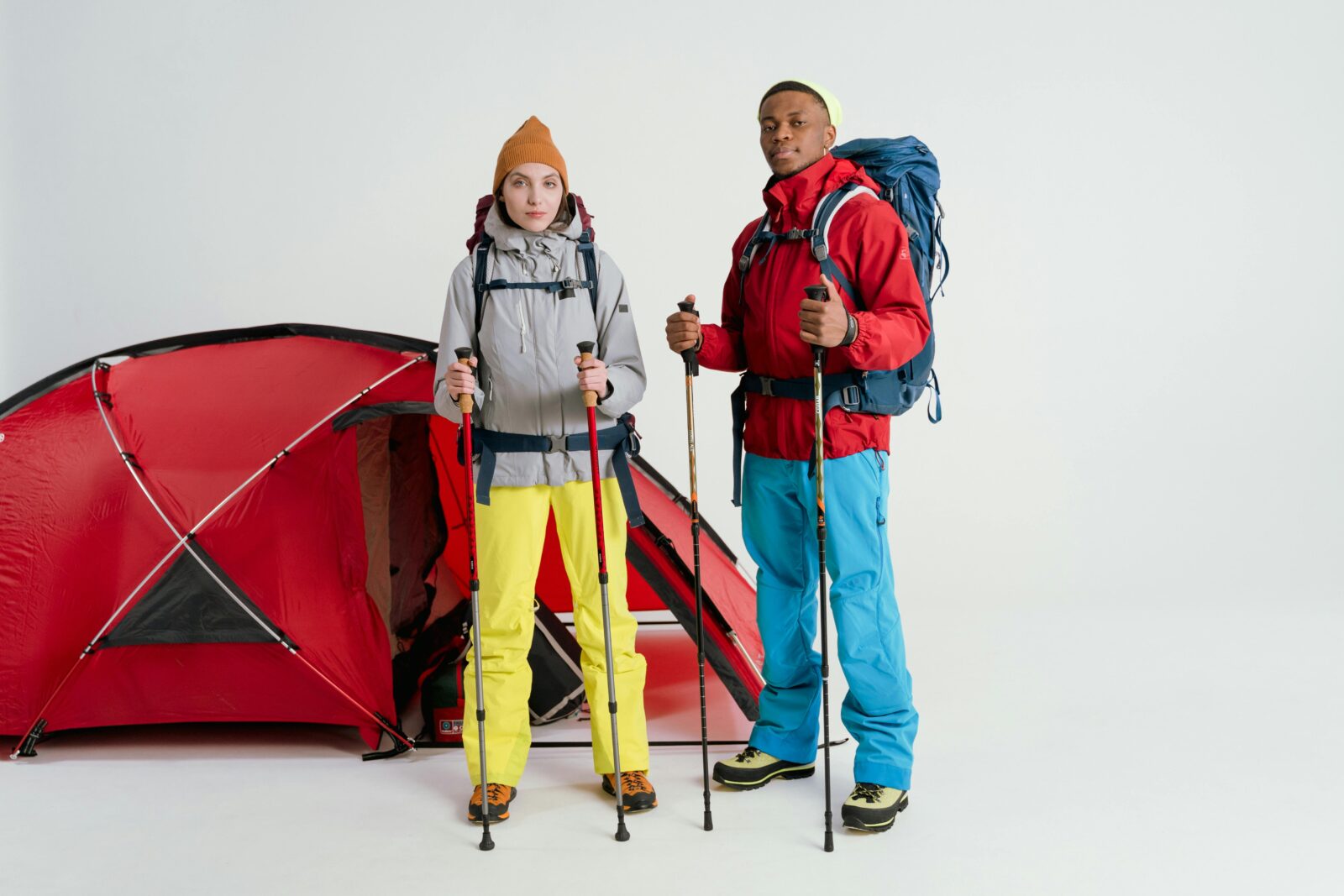
Mountain trekking activities such as climbing Mount Kilimanjaro or hiking the Rwenzori Mountains require more technical gear including thermal clothing, trekking poles, and high-quality hiking boots. Coastal or beach extensions may require swimwear and lightweight resort clothing.
Preparing for these activities in advance ensures travelers remain comfortable and well-equipped for the variety of environments they may encounter.
Frequently asked questions
What clothing should be packed for Africa safaris?
When planning what to pack for Africa safaris, travelers should choose lightweight and breathable clothing in neutral colors such as khaki, beige, olive, or brown. Long-sleeved shirts and lightweight trousers provide protection from sun exposure and insects while remaining comfortable in warm climates.
Why are neutral colors recommended for safari clothing?
Neutral colors blend with the natural environment and reduce the chances of disturbing wildlife. Bright colors may attract insects or stand out in the wilderness during game drives.
Do travelers need warm clothing for African safaris?
Yes. Even though many safari destinations experience warm days, mornings and evenings can be cool, especially during early game drives. A light jacket or fleece is recommended.
What type of shoes are best for safari travel?
Comfortable walking shoes or lightweight hiking boots are ideal for safaris. These shoes provide stability during bush walks, park visits, and trekking activities.
Are sandals useful for safari trips?
Sandals or casual shoes are helpful for relaxing at lodges or moving around safari camps after game drives and excursions.
Should travelers pack hats for Africa safaris?
Yes. A wide-brimmed hat helps protect against strong sunlight and provides shade during outdoor activities and wildlife viewing.
Is sunscreen necessary for safari travel?
Sunscreen is essential because the African sun can be intense, especially during open-vehicle game drives and outdoor excursions.
Do travelers need insect repellent on safari?
Insect repellent is recommended, particularly in tropical areas and near wetlands where mosquitoes may be present.
Should binoculars be packed for safari trips?
Yes. Binoculars are extremely useful for observing distant wildlife, birds, and animals that remain far from vehicles.
What camera equipment is recommended for safaris?
A good camera with extra batteries and memory cards is recommended for capturing wildlife, landscapes, and memorable safari moments.
Do travelers need a backpack on safari?
A small daypack or backpack is useful for carrying water, cameras, sunscreen, and personal items during game drives or guided walks.
Are reusable water bottles useful on safari?
Yes. Staying hydrated is important during safari activities, and many lodges encourage reusable bottles to reduce plastic waste.
What travel documents should be packed for Africa safaris?
Travelers should carry passports, visas, travel insurance documents, vaccination certificates, and flight confirmations.
Do safari travelers need power adapters?
Yes. Electrical outlets vary across African countries, so universal power adapters are useful for charging electronic devices.
Should travelers pack medical supplies for safari trips?
A small personal medical kit with essential medications, pain relievers, and personal prescriptions is recommended.
What should be packed for gorilla trekking safaris?
For gorilla trekking, travelers should pack waterproof jackets, hiking boots, gloves, long trousers, and gaiters to handle muddy forest trails and dense vegetation.
What should be packed for mountain trekking in Africa?
Mountain climbing expeditions such as Mount Kilimanjaro or Rwenzori hikes require thermal clothing, trekking poles, durable hiking boots, and waterproof gear.
Do travelers need swimwear on safari?
Swimwear is recommended because many safari lodges have swimming pools, and some itineraries include beach destinations along the coast.
Is luggage size important for safari travel?
Yes. Many safari flights have strict luggage limits, so travelers should pack light and use soft-sided bags instead of hard suitcases.
What is the most important tip when packing for Africa safaris?
The most important rule when deciding what to pack for Africa safaris is to prioritize lightweight, practical items that offer comfort, protection, and flexibility for various safari environments.
Understanding what to pack for Africa safaris helps travelers prepare for the diverse environments and activities that define African travel experiences. By focusing on practical clothing, reliable footwear, sun protection, and essential travel gear, visitors can fully enjoy wildlife safaris, trekking adventures, and cultural exploration across the continent.
Thoughtful packing ensures that travelers remain comfortable, protected, and ready to experience Africa’s remarkable wildlife and landscapes throughout their safari journey.