What to Consider

What You Should Know As You Prepare For Africa

“Preparing for Africa safari is more than packing bags and booking flights; it is the beginning of a journey into one of the world’s most extraordinary wildernesses. With thoughtful planning, an open mind, and respect for nature, the adventure becomes more than a trip—it becomes a life-changing experience that connects you deeply with Africa’s landscapes, wildlife, and cultures.”

INQUIRE NOW

What to Consider Before Visiting Africa

Africa is one of the most fascinating travel destinations in the world, offering extraordinary wildlife, dramatic landscapes, rich cultures, and unforgettable safari experiences. From the vast savannahs of East Africa and the deserts of Namibia to tropical coastlines and dense rainforests, the continent presents an incredible diversity of environments and experiences for travelers.

However, visiting Africa requires thoughtful preparation. The continent is vast and made up of more than fifty countries, each with different climates, cultures, travel infrastructure, and tourism experiences. Understanding what to consider before visiting Africa helps travelers plan better, avoid common travel challenges, and make the most of their journey.

Preparation includes choosing the right destination, understanding travel logistics, planning around seasons and wildlife movements, preparing for health requirements, and selecting suitable accommodation. When travelers plan carefully, Africa rewards them with some of the most remarkable experiences found anywhere on earth.

Understanding Travel Logistics : What to consider.

Travel distances within Africa can be significant, and transportation logistics should be carefully considered when planning a trip.

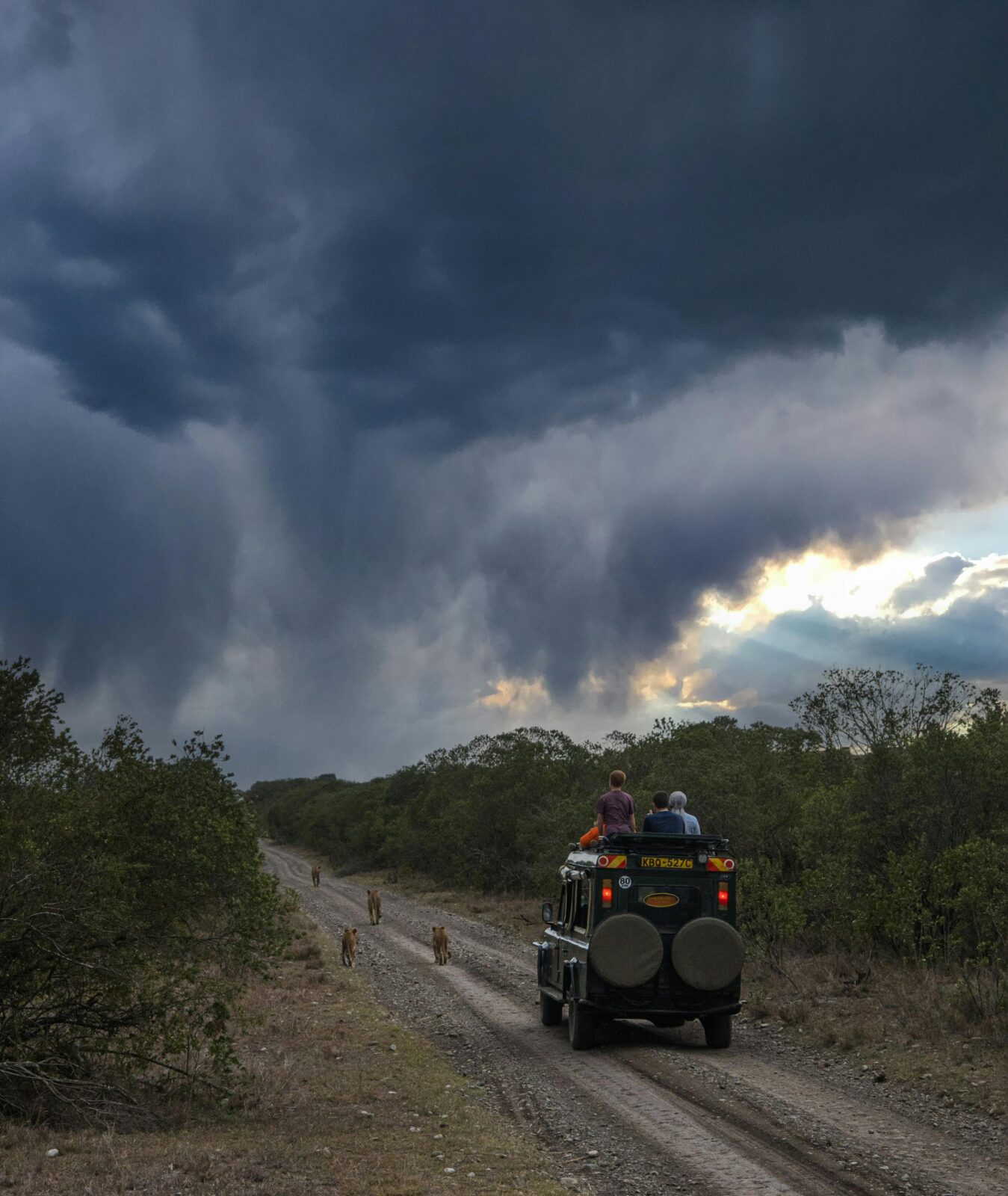
Many safari destinations require flights between countries or regions followed by road transfers to national parks and wildlife reserves. Some remote safari areas may require small charter flights that land on bush airstrips within wildlife reserves.

Travelers should also understand that road conditions can vary significantly between destinations. In some areas, especially remote parks, roads may be rough or unpaved, which is part of the adventure of exploring wilderness regions.

Working with experienced safari operators helps ensure smooth travel arrangements, including airport transfers, park permits, transportation, and accommodation reservations.

What to Consider While Choosing the Right Destination

Africa is not a single travel destination but rather a continent with many different regions offering unique travel experiences. The type of safari or travel experience you want will determine which countries and regions are most suitable.

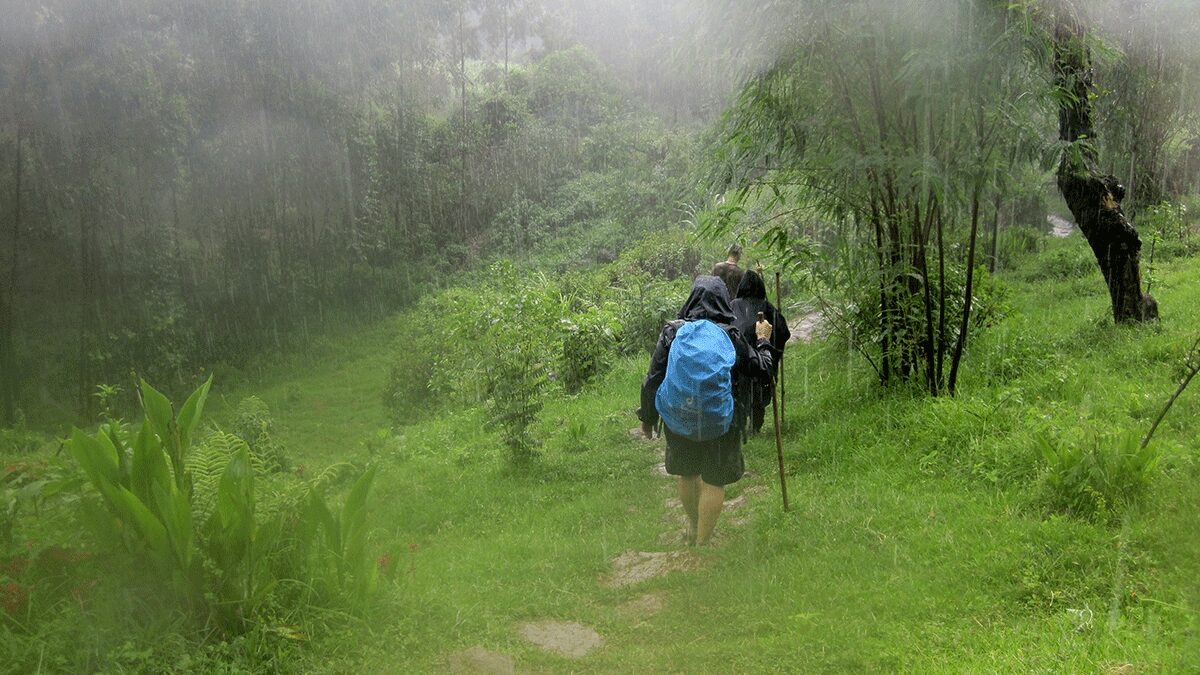
East Africa is widely known for classic safari experiences. Countries such as Kenya and Tanzania are famous for the Great Migration, where millions of wildebeest and zebras move across the Serengeti and Maasai Mara ecosystems. Uganda and Rwanda offer world-renowned gorilla trekking experiences in the mountain forests of Bwindi and Volcanoes National Park.

Southern Africa provides a different style of safari experience. Botswana’s Okavango Delta offers water-based safaris, while Namibia is known for its striking desert landscapes and wildlife adapted to harsh environments. South Africa offers a combination of wildlife safaris, cultural cities, and scenic coastlines.

Island destinations such as Madagascar provide rare wildlife species found nowhere else in the world, while Central African rainforest destinations offer more remote and adventurous wildlife encounters.

Selecting the right destination is one of the most important steps when planning an African journey.

What to consider
What to consider

Visa and Entry Requirements

Visa regulations differ widely across African countries, so travelers must review entry requirements before departure.

Most countries require passports to be valid for at least six months beyond the intended travel dates. Many countries also require several blank passport pages for entry stamps and visas.

Some destinations provide visas on arrival, while others require travelers to apply for visas in advance through embassies or electronic visa systems. Certain regional visas also allow travelers to move between neighboring countries more easily.

Travelers should confirm the visa requirements for each country included in their itinerary before finalizing travel plans.

Health and Vaccination Requirements

Health preparation is another important factor when planning travel to Africa. Some countries require proof of certain vaccinations, particularly yellow fever vaccination when arriving from regions where the disease is present.

Travelers visiting tropical regions may also consider malaria prevention measures depending on the specific destination. Health professionals often recommend carrying basic medications and travel insurance that covers medical evacuation if necessary.

Many safari lodges and tour operators maintain high health and safety standards, but travelers should still prepare adequately for remote travel environments.

Best Time to Visit Africa

Africa can be visited throughout the year, but seasons vary greatly depending on the region and destination.

In many safari destinations, the dry season is considered the best time for wildlife viewing because animals gather around water sources and vegetation is less dense, making wildlife easier to spot.

The rainy season can also be rewarding in certain destinations because landscapes become greener, birdlife becomes more active, and tourist numbers are often lower.

The best time to visit Africa ultimately depends on the specific wildlife experiences travelers want to see, such as the Great Migration, gorilla trekking, or birdwatching.

What to consider
What to consider

Choosing the Right Safari Accommodation

Accommodation options across Africa range from luxury safari lodges and tented camps to comfortable midrange properties and boutique wilderness retreats.

Many safari lodges are located within national parks or private reserves, offering close access to wildlife viewing areas. Luxury lodges provide exceptional comfort and service while maintaining eco-friendly practices that protect surrounding environments.

Travelers should choose accommodation based on comfort level, travel style, and proximity to wildlife areas. Well-located lodges enhance the safari experience by reducing travel time to key wildlife viewing locations.

Understanding Wildlife Viewing Etiquette

Wildlife encounters are one of the main reasons travelers visit Africa, but responsible wildlife viewing is essential to protect animals and their natural habitats.

Visitors should always follow the guidance of professional safari guides who understand safe viewing distances and ethical wildlife practices. Animals should never be disturbed, chased, or surrounded by vehicles.

Respecting wildlife ensures that animals remain comfortable in their natural environment and that future visitors can enjoy authentic wildlife encounters.

Packing for an African Safari

Packing for Africa requires practical preparation suited to outdoor environments and changing weather conditions.

Neutral-colored clothing is recommended for safari activities as it blends with natural surroundings and does not disturb wildlife. Lightweight clothing is ideal for daytime temperatures, while warmer layers are useful for early morning and evening game drives.

Travelers should also pack essentials such as comfortable walking shoes, sun protection, insect repellent, binoculars, and cameras for wildlife photography.

Proper packing ensures that travelers remain comfortable while exploring different safari environments.

What to consider
What to consider

Respecting Local Cultures and Communities

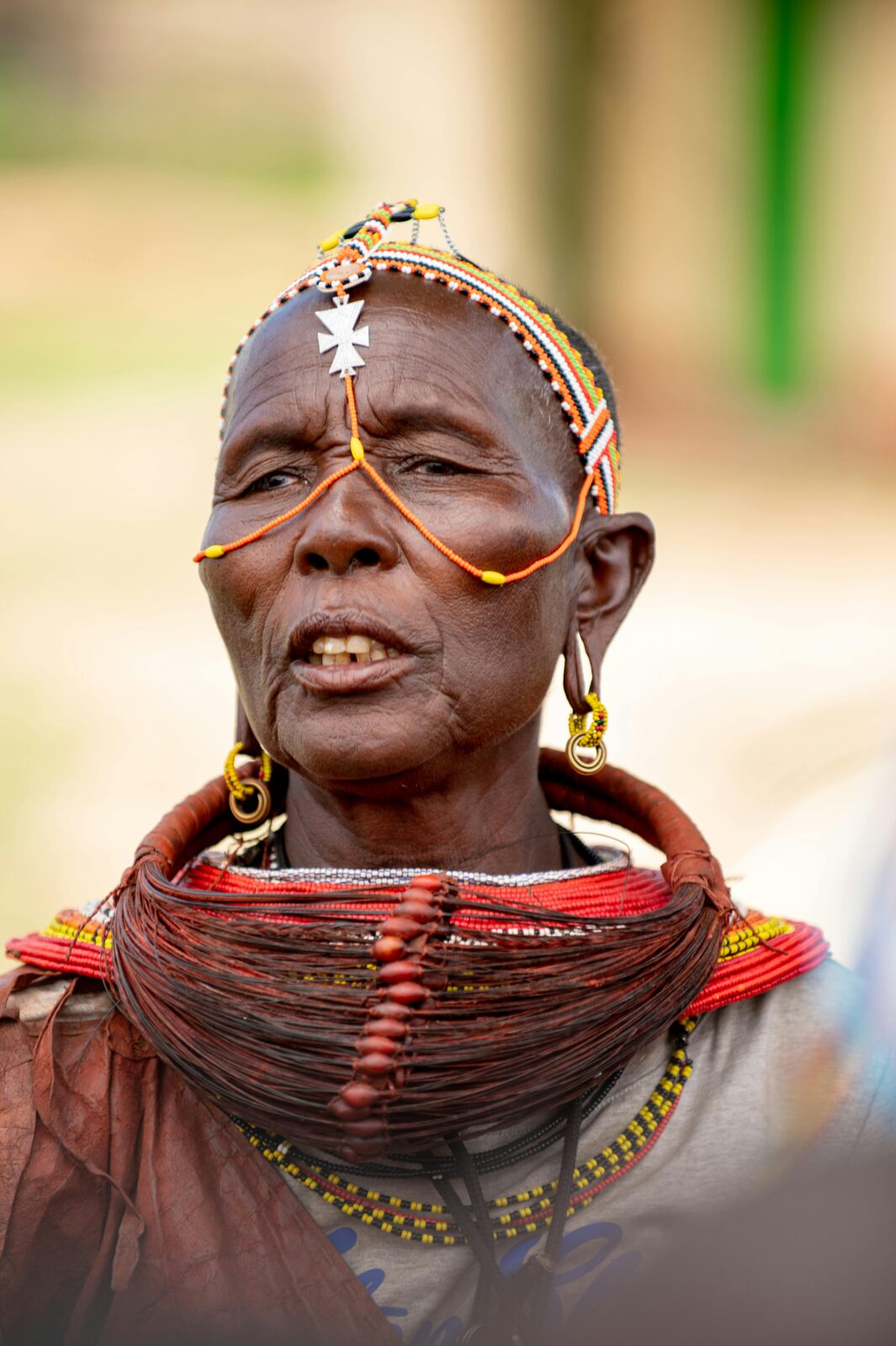
Africa is home to thousands of cultural groups, languages, and traditions. Travelers are encouraged to approach local cultures with respect and curiosity.

Many safari itineraries include visits to local communities where visitors can learn about traditional lifestyles, crafts, and cultural heritage. Supporting local artisans and community tourism initiatives contributes to sustainable economic development.

Respectful interaction with local communities enhances the travel experience while ensuring that tourism benefits local people.

Responsible and Sustainable Travel

Responsible tourism is increasingly important across Africa. Safari tourism plays a significant role in supporting conservation and community development.

Park fees, conservation levies, and tourism income help fund wildlife protection programs, ranger patrols, and habitat preservation efforts. Many safari lodges also support local schools, healthcare initiatives, and conservation projects.

By choosing Wildhorn Africa, travelers help protect Africa’s wildlife and natural landscapes for future generations.

What is the best time to plan an African safari?

How far in advance should I book an African safari?

Which African countries are best for a safari?

Some of the most popular safari destinations include Kenya, Tanzania, Botswana, South Africa, Namibia, Uganda, Rwanda, Zambia, and Zimbabwe. Each country offers different wildlife experiences, landscapes, and safari styles.

What type of safari accommodation should I choose?

Do I need a visa to travel to Africa?

Are vaccinations required before traveling to Africa?

Is travel insurance necessary for an African safari?

How much does an African safari typically cost?

What should I pack for an African safari?

How long should an African safari be?

Are African safaris safe for travelers?

What wildlife can I expect to see on safari?

Should I choose a private safari or a group safari?

What kind of vehicles are used on safari?

Do safari lodges have electricity and internet access?

Is tipping expected on an African safari?

Can children go on African safaris?

How important is choosing the right safari operator?

What travel documents should I carry on safari?

How can I travel responsibly on safari?

Final Thoughts On

What to Consider

Visiting Africa is a life-changing experience that offers extraordinary wildlife encounters, breathtaking landscapes, and meaningful cultural connections. However, thoughtful preparation ensures that travelers enjoy the journey comfortably and responsibly.

Understanding what to consider before visiting Africa helps travelers make informed decisions about destinations, travel logistics, health preparation, accommodation, and responsible tourism practices.

With proper planning, a journey to Africa becomes more than just a trip. It becomes an unforgettable adventure filled with wildlife, culture, and natural beauty that few other places on earth can match.