Sustainability
“The Positive Impact of Your Safari on Wildlife and Communities”
Sustainability
“The Positive Impact of Your Safari on Wildlife and Communities”
Responsible Travel has become a central principle in modern safari tourism. Travelers today increasingly seek experiences that protect wildlife, support local communities, and preserve Africa’s natural landscapes for future generations. Responsible travel ensures that tourism creates meaningful benefits rather than negative impacts. It encourages conservation, strengthens community livelihoods, and promotes ethical wildlife encounters while delivering extraordinary safari experiences.
Africa’s wildlife ecosystems are among the most valuable natural assets on the planet. Through Responsible Travel, visitors help sustain conservation programs, support rural economies, and contribute to the protection of endangered species. When safaris are planned carefully and conducted ethically, tourism becomes one of the most powerful tools for protecting wildlife and landscapes across the continent.
Responsible travel focuses on minimizing environmental impact while maximizing positive contributions to conservation and local communities. In Africa, safari tourism directly funds protected areas, supports wildlife rangers, and creates employment opportunities for people living near national parks and reserves.
A safari designed with responsible principles ensures that wildlife habitats remain intact, local cultures are respected, and tourism revenue reaches communities that share landscapes with wildlife. Sustainable safari operations prioritize conservation initiatives, eco-friendly accommodations, ethical wildlife viewing practices, and partnerships with organizations that protect biodiversity.
Travelers participating in responsible safaris contribute to a broader conservation economy that benefits wildlife, landscapes, and communities.
Wildlife tourism represents one of the most important economic drivers for conservation in Africa. Many national parks and wildlife reserves rely heavily on tourism revenue to fund their operations.
Safari tourism provides funding for ranger patrols, anti-poaching initiatives, research programs, habitat restoration projects, and wildlife monitoring efforts. Without tourism income, many protected areas would struggle to maintain conservation programs or protect endangered species.
Wildlife tourism also creates thousands of jobs across Africa, including safari guides, lodge staff, conservationists, researchers, and park rangers. By supporting these industries, tourism strengthens rural economies and encourages communities to value wildlife as a long-term asset.
In regions where tourism thrives, wildlife populations often increase because communities recognize that protecting wildlife generates sustainable income.
We carefully select partners who share a strong commitment to conservation and ethical tourism practices.
Safari lodges and camps are chosen based on environmental sustainability, community engagement, and wildlife protection initiatives. Many eco-lodges use solar energy, minimize water consumption, support local suppliers, and invest directly in conservation programs.
Tour guides and safari operators must follow strict wildlife viewing guidelines to ensure animals are not disturbed or stressed by tourism activities.
Partnerships with conservation organizations, community projects, and environmental initiatives help ensure that safari tourism creates lasting positive impacts.
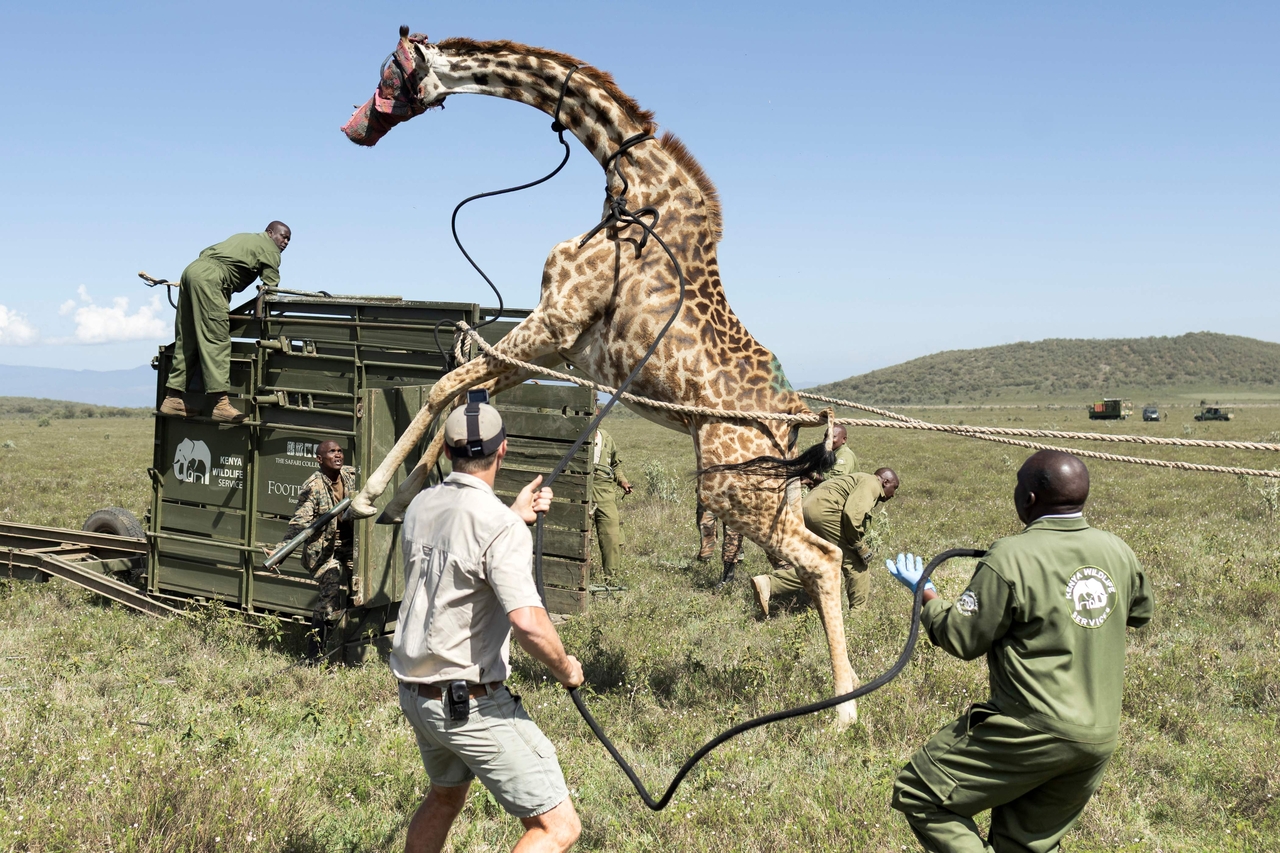

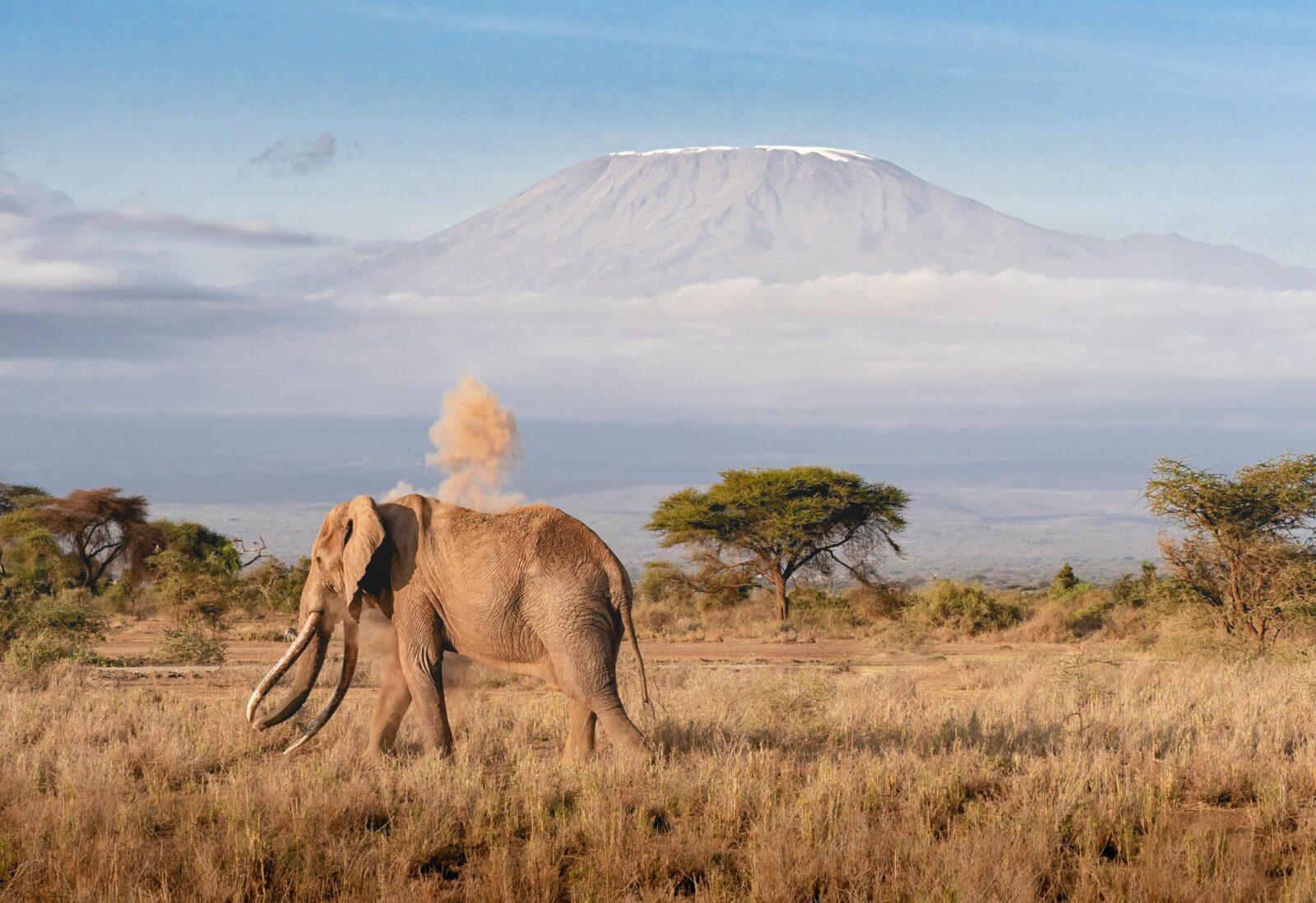

Every safari contributes to conservation and community development. Park entry fees, conservation levies, and tourism taxes provide essential funding for wildlife protection and park management.
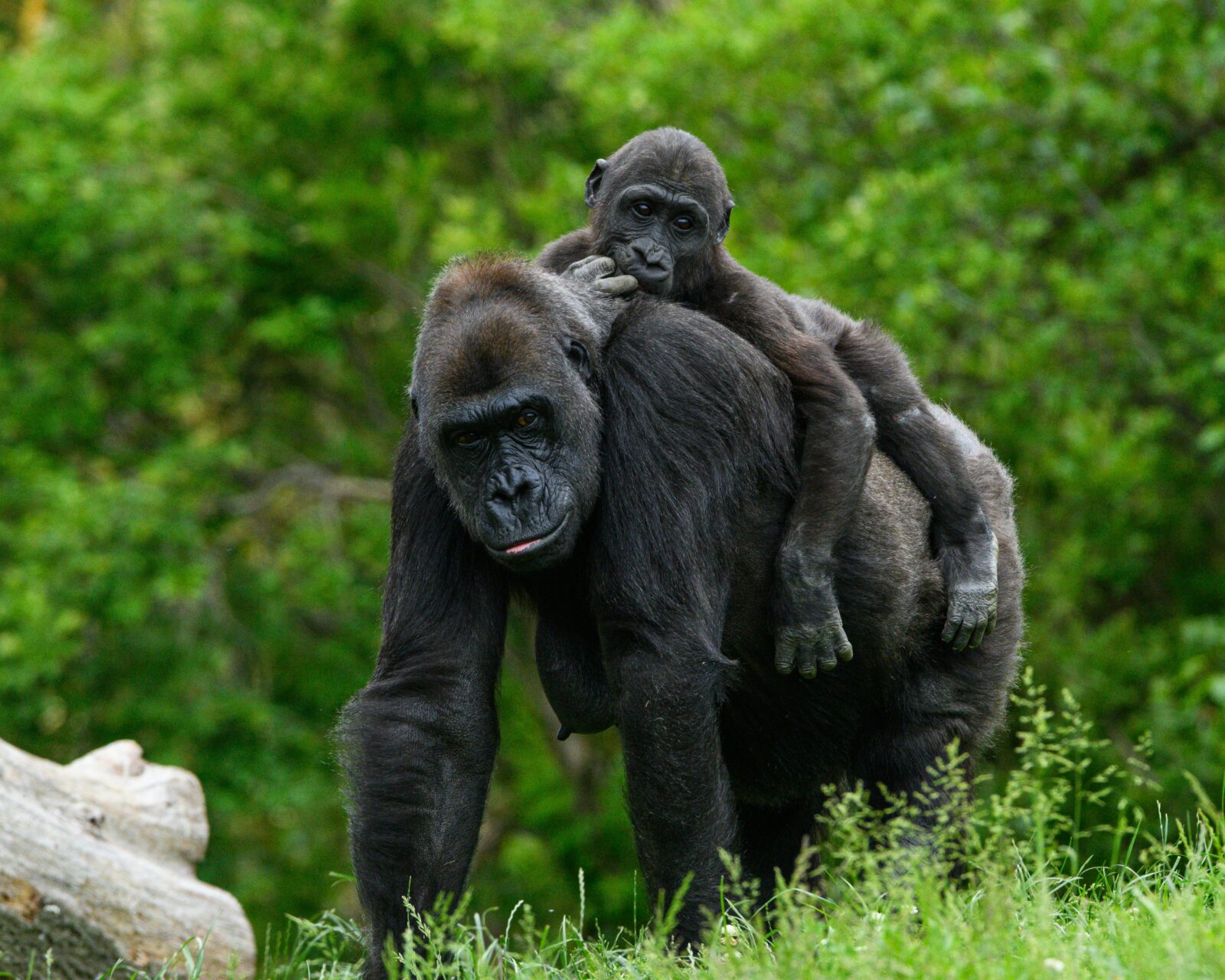
Tourism revenue supports wildlife monitoring programs, habitat restoration projects, and anti-poaching patrols that protect endangered animals such as elephants, rhinos, and gorillas.
Local communities also benefit from tourism through employment opportunities, infrastructure development, education programs, and healthcare initiatives funded by safari operators and conservation organizations.
Responsible safaris ensure that tourism income flows back into the ecosystems and communities that make the safari experience possible.
In the early 1930s, Africa supported an estimated population of nearly 10 million wild elephants. Today, that number has declined dramatically to approximately 415,000 individuals across the continent.
Lions have already disappeared from 26 African countries and now occupy less than five percent of their historical range, with current wild populations estimated at about 20,000.
Botswana has emerged as one of the world’s leading conservation nations, dedicating roughly 39 percent of its territory to national parks, reserves, and protected wildlife areas.
The loss of forests and natural ecosystems reduces nature’s capacity to absorb greenhouse gases and buffer extreme weather events, contributing significantly to the acceleration of global climate change.
Safari tourism works because it creates a powerful economic incentive to protect wildlife and natural landscapes. When wildlife generates sustainable income through tourism, governments and communities prioritize conservation efforts.
Many African countries have successfully used safari tourism to expand protected areas, restore ecosystems, and recover wildlife populations that were once threatened by poaching or habitat loss.
Examples include the recovery of rhino populations in southern Africa, the protection of mountain gorillas in Uganda and Rwanda, and the expansion of community conservancies in Kenya and Namibia.
Safari tourism demonstrates that conservation and economic development can work together.
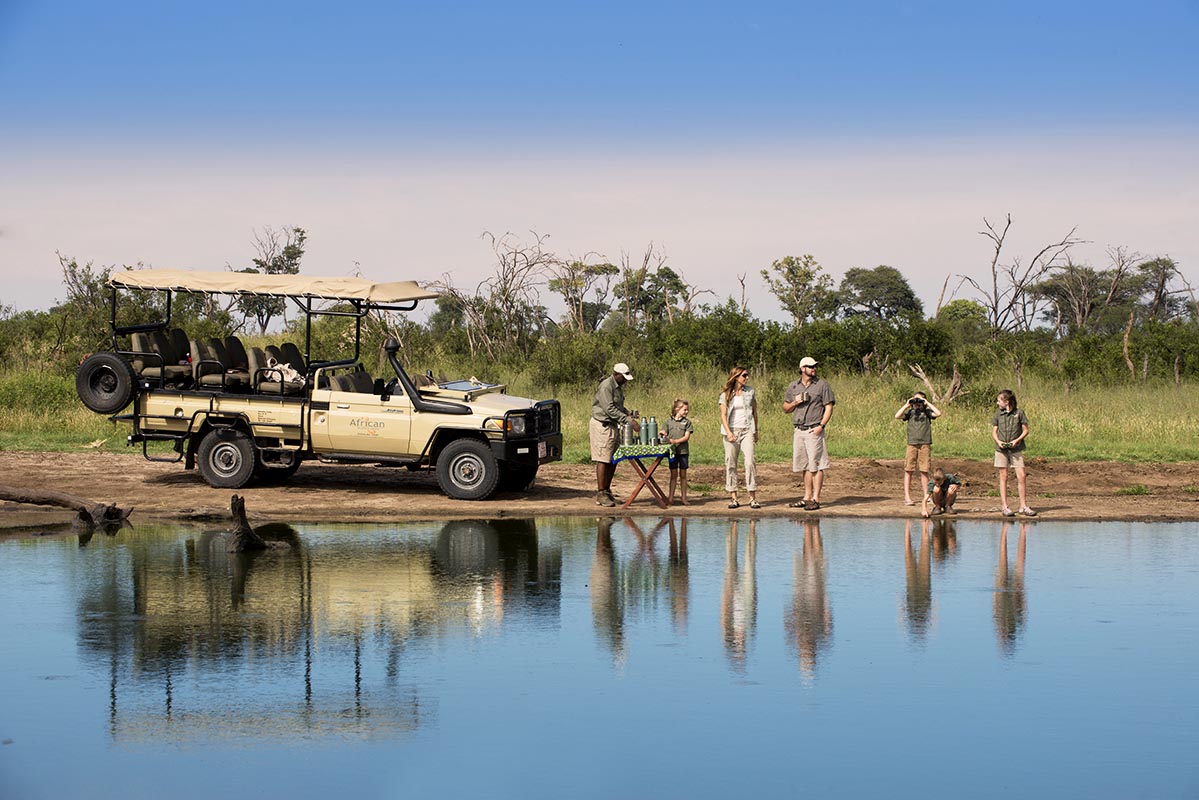
Travelers play an important role in responsible tourism by making thoughtful choices during their safari journey.
Eco-tourists respect wildlife viewing guidelines, support eco-friendly accommodations, minimize waste, and choose safari companies that prioritize conservation.
You’re encouraged to avoid wildlife products, support local businesses, and participate in conservation activities when possible.
By choosing Wildhorn Africa, you ensure that your travel decisions contribute positively to wildlife protection and community well-being.
International flights represent a significant portion of a safari’s carbon footprint. Travelers can reduce their environmental impact by choosing direct flights when possible, packing efficiently, and considering airlines with carbon reduction programs.
We support carbon offset initiatives that invest in reforestation, renewable energy projects, and conservation programs to balance travel emissions.
While flights remain necessary for long-distance travel, conscious planning can help reduce environmental impact.
Climate change presents growing challenges for Africa’s ecosystems and wildlife populations. Changes in rainfall patterns, droughts, and shifting vegetation zones affect wildlife migration and habitat availability.
Responsible safari operators work to reduce environmental impact through renewable energy use, sustainable building practices, waste reduction programs, and ecosystem restoration initiatives.
Conservation organizations also conduct research on climate resilience to help wildlife adapt to changing environmental conditions.
Through responsible travel choices, safari tourism contributes to climate mitigation efforts and long-term ecosystem protection.

Across Africa, numerous conservation programs and community initiatives demonstrate how tourism supports wildlife protection and sustainable development.
Botswana has developed one of Africa’s most successful conservation models. Tourism revenue from the Okavango Delta and Chobe National Park supports anti-poaching patrols and wildlife research programs while benefiting local communities.
The Democratic Republic of Congo protects critical rainforest ecosystems and endangered species such as mountain gorillas and eastern lowland gorillas in Virunga National Park and Kahuzi-Biega National Park.
In Egypt, responsible tourism supports marine conservation initiatives in the Red Sea while protecting fragile coral reef ecosystems.
Ethiopia protects unique endemic wildlife such as the Ethiopian wolf and gelada monkeys through conservation programs in the Bale Mountains and Simien Mountains National Parks.
Gabon has established an extensive network of national parks protecting rainforest biodiversity and important wildlife populations including forest elephants and western lowland gorillas.
Kenya’s community conservancies demonstrate how local communities manage wildlife habitats while benefiting from tourism revenue. These conservancies protect species such as lions, elephants, and rhinos.
Madagascar’s conservation programs protect rare species including lemurs and chameleons while supporting community-led forest protection projects.
Lake Malawi National Park conservation efforts protect freshwater ecosystems while eco-tourism supports community development and fisheries management.
Marine conservation initiatives in Mozambique focus on protecting coral reefs, whale sharks, and coastal ecosystems.
Namibia’s communal conservancy model empowers rural communities to manage wildlife resources while benefiting from sustainable tourism.
Mountain gorilla conservation in Volcanoes National Park has become one of Africa’s most successful wildlife protection programs supported by responsible tourism.
South Africa supports numerous wildlife rehabilitation and conservation initiatives including rhino protection programs and wildlife reserves across the country.
Emerging conservation initiatives focus on protecting one of Africa’s largest wildlife migrations in Boma and Bandingilo National Parks.
Serengeti conservation programs protect the Great Migration and maintain one of the world’s most intact savannah ecosystems.
Uganda hosts several important conservation initiatives including Ziwa Rhino Sanctuary, which protects the country’s only wild rhino population. The Uganda Reptile Village provides conservation education and rescues reptiles that would otherwise be killed due to fear or misunderstanding.
Mountain gorilla conservation in Bwindi Impenetrable National Park and Mgahinga Gorilla National Park is supported by tourism revenue that funds ranger patrols, veterinary care, and community development projects.
Zambia supports wildlife conservation through national parks such as South Luangwa and Lower Zambezi, where tourism helps fund anti-poaching units and community programs.
Zimbabwe’s conservation efforts include wildlife protection in Hwange National Park and community-based initiatives around Victoria Falls that support both conservation and local livelihoods.
Responsible travel continues to evolve as travelers become more conscious of their environmental and social impact. Safari tourism remains one of the most effective ways to protect wildlife and support sustainable development across Africa.
By choosing responsible safari experiences, travelers contribute directly to conservation, community empowerment, and the protection of Africa’s extraordinary natural heritage.


© 2026 Wildhorn Africa.