How much does a luxury safari cost?
“A detailed analysis and our genuine advice.”
How much does a luxury safari cost?
“A detailed analysis and our genuine advice.”
If you are considering booking a luxury safari, one of the first questions that usually comes to mind is the overall cost (cost of a safari). Safaris are often perceived as extremely exotic vacations that must carry an enormous price tag—once-in-a-lifetime journeys that seem destined to remain only on a bucket list because of their perceived expense. While it is certainly possible to find safari experiences that cost as much as a year’s mortgage payments, assuming that every safari is priced that high could mean missing out on one of the most extraordinary travel experiences available. Calculating the cost of a safari can sometimes appear complicated, but there are options available for virtually every budget. Whether you are searching for a highly customized luxury adventure that includes upscale lodges and exclusive safari camps, or a simple and adventurous trip where accommodation is less important than seeing Africa’s incredible wildlife, Wildhorn Africa provides options to suit different travel styles.
Before exploring the more complex details of safari pricing, it helps to understand the two primary types of safaris available. The option you choose will usually have a major impact on the overall cost of your trip.
Set Departure Safaris are pre-scheduled group safaris that start and end on specific dates. They can generally be described as package safaris because they come with a fixed price and a clearly outlined itinerary. This option is ideal for travelers who want to share logistical costs with other guests, which helps reduce the overall price compared to privately tailored safaris. For travelers seeking a more budget-friendly experience and who prefer to know the total price upfront, this type of safari is often the best choice. Set Departure Safaris are also particularly appealing for solo travelers because they create opportunities to share the adventure with other guests who have similar interests, often leading to strong camaraderie and new friendships during the journey.
Tailor-made safaris offer a far more flexible and personalized travel experience. In this case, the safari is designed specifically around your interests and travel preferences. The planning process typically involves working closely with safari specialists through email, Skype, or Zoom discussions to create a trip that matches your expectations. Factors such as accommodation preferences, travel style, budget, past travel experiences, preferred travel dates, and personal interests are all taken into consideration. Because every tailor-made safari is different, it can be difficult to provide a fixed price immediately. However, once your preferences have been discussed and your itinerary has been planned, the costs can be calculated and a detailed quote provided.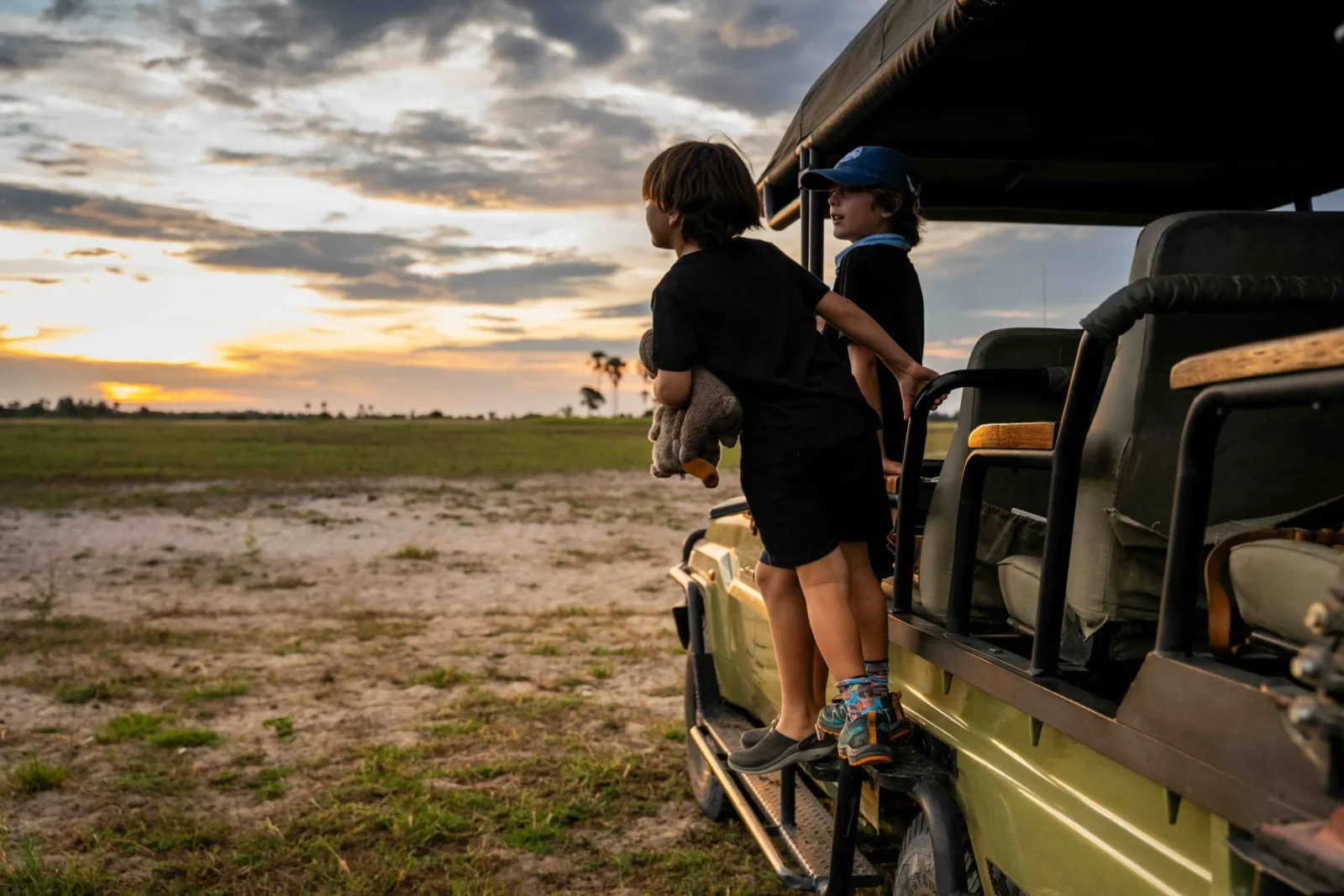
When determining which safari budget category suits you, it is easy to focus only on price. However, the experience itself can vary significantly depending on the level of safari you choose. Budget safaris and luxury safaris offer very different styles of travel, and neither option is necessarily better than the other—it simply depends on the type of experience you prefer.
Budget safaris are designed for travelers whose primary goal is to be out on safari and experience wildlife. Accommodation is typically very basic, but the focus remains on the adventure and the thrill of seeing animals in their natural environment.
Affordable safaris provide accommodation that is comfortable without being overly expensive. Travelers choosing this option usually want a place that is safe, clean, and of a reasonable standard while still keeping the overall trip cost manageable.
Mid-range safaris offer a high-quality safari experience without the full luxury price tag. These may include authentic tented safari camps or mobile safari setups guided by experienced professionals. The accommodation is comfortable and enjoyable, but without unnecessary extravagance.
High-end safaris cater to travelers who appreciate the finer aspects of travel. Guests can expect excellent cuisine, quality wines, luxurious facilities, and highly experienced guides. Travelers choosing this level understand that higher prices often correspond with a more refined safari experience.
Top-end safaris represent the very best available. These safaris focus on ultra-luxurious accommodation, exceptional service, exclusivity, and the finest wildlife viewing opportunities. At this level, the experience is designed to be the absolute best, and budget limitations are usually not a concern.
While your budget level and whether you choose a set departure or tailor-made safari will significantly affect the price, several other factors also influence the overall cost.
The time of year you travel is probably the most important factor affecting safari pricing. Although many African destinations enjoy favorable weather throughout the year, safari regions are generally seasonal. The rainy season—often referred to as the green season, off-season, or even the secret season—usually experiences higher rainfall, warmer temperatures, fewer visitors, and lower prices. Rainfall often occurs during specific times of the day rather than continuously.
In contrast, the dry season is typically considered peak safari season. During this period, wildlife viewing conditions are often excellent because animals gather around limited water sources, and the weather is generally dry and comfortable for game drives. These favorable conditions attract more visitors, which naturally leads to higher prices.
It is important to understand why these seasons exist. The dry season provides ideal conditions for spending long hours on game drives, observing wildlife in comfortable weather. The green season, while wetter, can offer significant savings and fewer tourists. In some destinations, such as Botswana, traveling during the rainy season can sometimes cost half as much as visiting during the dry season.
However, certain safari destinations are not accessible year-round. Some remote areas may become difficult or impossible to reach during heavy rains, making seasonal planning an important consideration.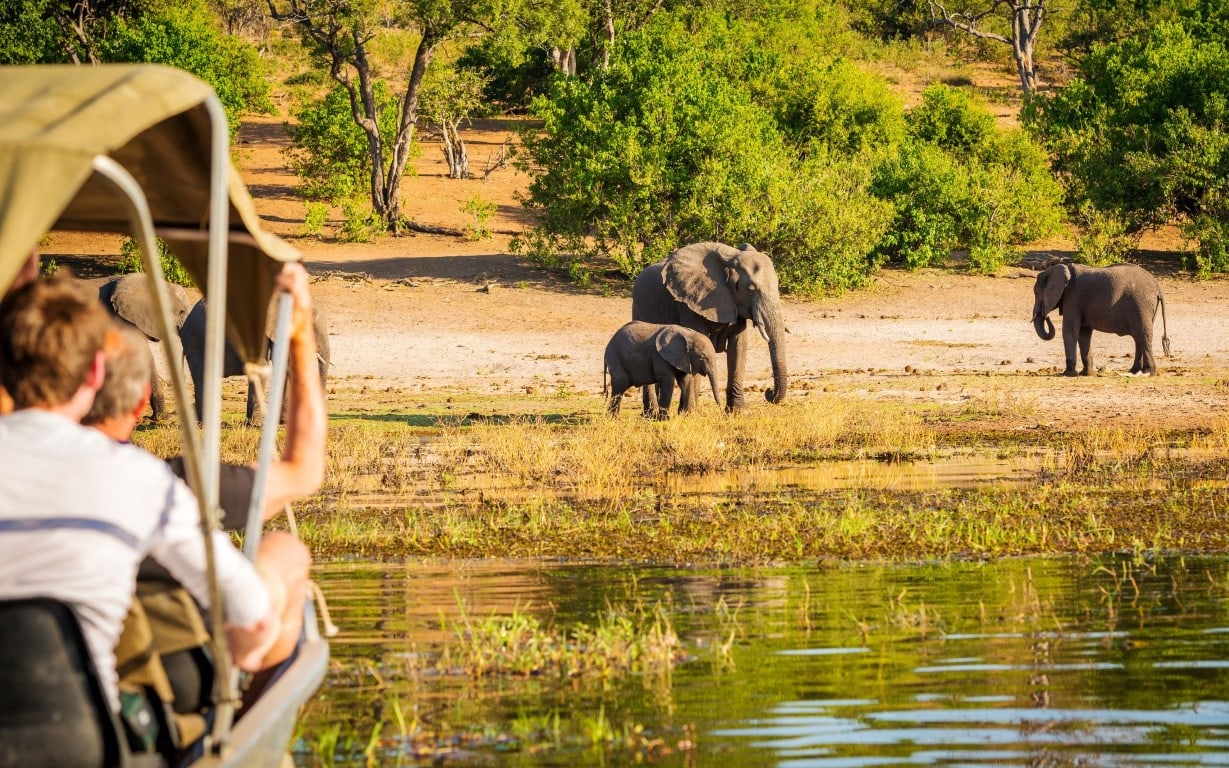
The destination you choose can also dramatically affect safari costs. Pricing varies significantly depending on the country and region you plan to visit. For example, a safari in South Africa’s Greater Kruger area is typically priced differently from a safari in Botswana’s Okavango Delta, Tanzania’s Serengeti, or the Republic of Congo.
These differences can be influenced by factors such as popularity, operational costs, and national tourism strategies. Botswana, for example, follows a “high value, low volume” tourism model. By limiting visitor numbers and charging higher prices, the country aims to minimize environmental impact while still generating sufficient revenue to support conservation efforts and protect wilderness areas.
Other countries follow a different approach by welcoming a larger number of visitors at lower prices. If you are uncertain about where to travel but have a fixed budget and timeframe, safari specialists can often recommend destinations where your budget will provide the best possible experience.
Accommodation choices have a major influence on safari pricing. The cost of staying in a simple ground tent differs dramatically from the cost of staying in a presidential suite at a five-star safari lodge.
Safari accommodations generally fall into several categories. These range from temporary camping setups with small tents to basic budget safari camps, comfortable camps with decent facilities, mid-range lodges offering good value, luxury safari camps with premium amenities, and ultra-luxury camps providing the highest level of exclusivity and service.
The number of travelers in your group can significantly affect the cost per person. Prices often vary between solo travelers, couples, families, and larger groups. Generally, the more people who travel together, the lower the cost per person becomes because certain logistical expenses—such as vehicles, guides, and transfers—can be shared.
Sleeping arrangements can also influence pricing. For example, four friends each requiring separate rooms will typically pay more than two couples sharing two rooms. However, if those four friends share rooms, the cost per person would be reduced.
The method of transportation used during your safari can also influence the final cost. Self-drive safaris with rental vehicles are usually among the most economical options. At the opposite end of the spectrum are luxury transfers such as helicopter flights with scenic stops.
Between these two extremes are numerous transportation options, including standard vehicle rentals, fully equipped four-wheel-drive vehicles, private minibus transfers, safari vehicles with professional guides, boat transfers, scheduled flights, and charter flights. Each option carries different costs depending on convenience and comfort.
In some safari regions, it may even be possible to travel between camps on foot during guided walking safaris or by horseback or camel, which can sometimes reduce costs compared to motorized transport.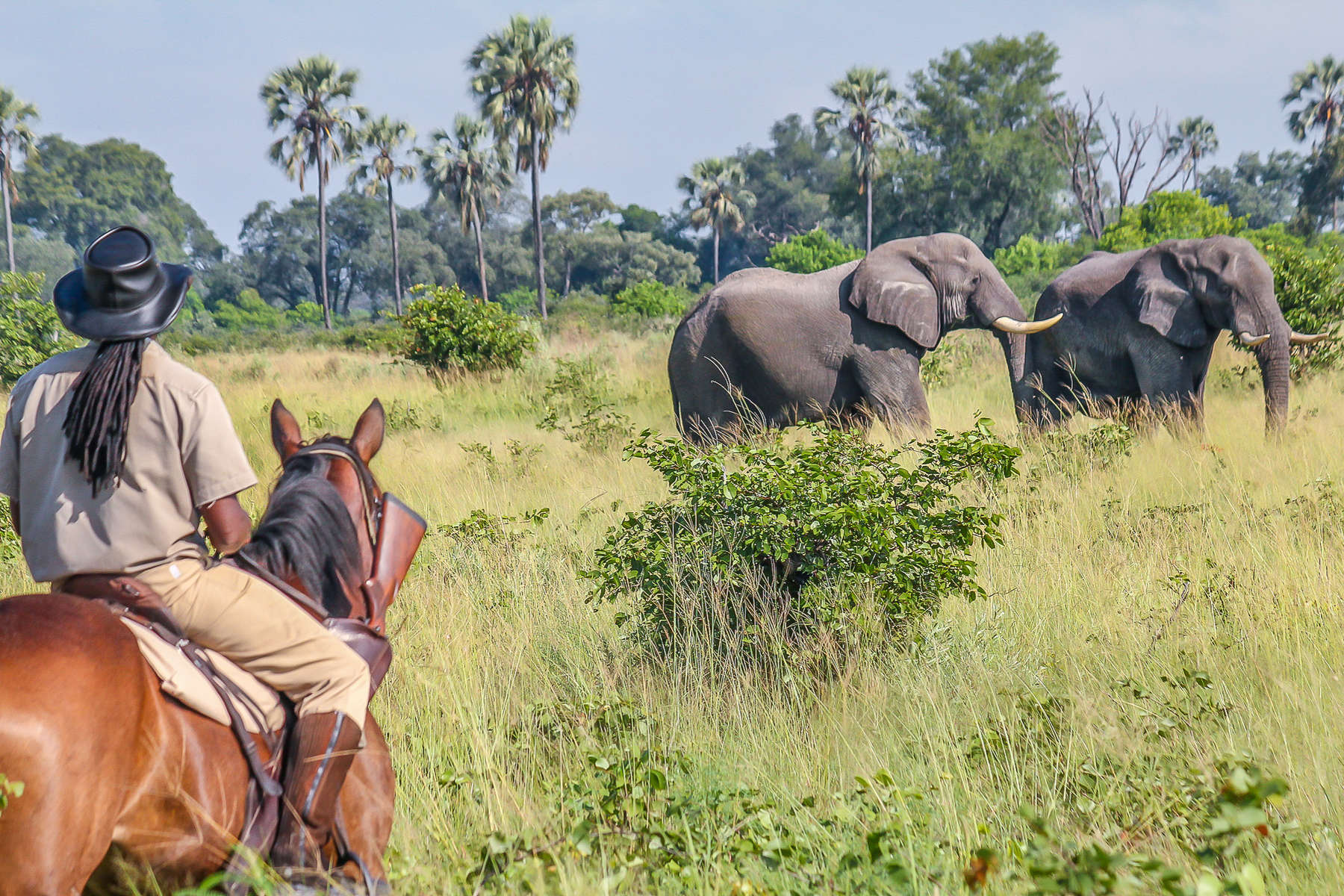
At Wildhorn Africa, creating specialized safari experiences around personal interests is a core focus. These may include activities such as fly-fishing for specific species, dedicated birdwatching expeditions, extended walking safaris through remote wilderness areas, or photography safaris designed to capture the best natural light.
As safaris become more specialized and move further away from traditional game-drive experiences, prices may increase due to the need for expert guides, specialized equipment, or exclusive access to certain areas. However, if your interests align with activities already included in standard Big Five safaris, additional costs may be minimal.
Safari pricing can increase significantly when logistical expenses are taken into account. These may include national park entrance fees, community conservation fees, regional flights, transfers, and guided safari activities.
Most safari packages include many of these costs, but they can accumulate quickly in certain regions. For instance, in northern Tanzania—particularly in the Serengeti and Ngorongoro Conservation Area—park fees and associated logistics can reach approximately US$250 per person per day. Over a ten-day safari, this alone could total around US$2,500 per person before accommodation and meals are even considered.
Even reasonably priced accommodation starting at around US$250 per person per night adds to the overall cost, demonstrating how quickly a safari budget can increase due to necessary logistical expenses. Although these costs may surprise first-time safari travelers, they play a crucial role in maintaining protected areas and supporting wildlife conservation.
When booking a safari, it is essential to review the details carefully and understand exactly what is included in the price. Occasionally, safari offers may appear extremely inexpensive at first glance, but hidden logistical costs may not be clearly explained. Travelers should always be cautious of deals that seem unusually cheap.
Booking a safari for the first time can feel overwhelming, which is why Wildhorn Africa provides guidance and a Price Guarantee to ensure travelers receive honest and transparent advice.
In some destinations—such as Rwanda, Tanzania, Zambia, and Zimbabwe—budget safaris are often not recommended because they may not meet acceptable safety or quality standards. For travelers seeking truly budget-friendly safari experiences, destinations such as South Africa, Uganda, Botswana, or Namibia may provide more viable options.
Seasonal pricing also varies depending on the destination. In Zambia and Zimbabwe, for example, many safari areas close during the rainy season, meaning that shoulder and peak seasons are the main periods available for travel. As a result, price differences between these seasons may be relatively small. Similar seasonal closures also occur in certain regions of other countries, such as southern Tanzania.
It is important to note that the pricing examples discussed here mainly apply to lodge-based safaris, which are the most common safari style. Other types of safaris—such as self-drive safaris, mobile safaris, houseboat safaris, camping safaris, fly-camping experiences, walking safaris, or horseback safaris—can have very different pricing structures.
As with many travel experiences, the quality of a safari often reflects the investment made. While traveling on a tight budget is certainly possible, a well-executed safari typically requires a certain level of expenditure.
Many safari lodges are deeply involved in conservation initiatives and community support programs. They also operate in remote locations where logistical costs are high, insurance requirements are significant, and skilled staff are essential to providing a memorable guest experience. Much of the money spent on a safari goes toward maintaining these operations.
However, there comes a point where additional luxury costs no longer relate directly to the safari experience itself but instead to enhanced amenities such as larger rooms, private butlers, elaborate wine cellars, and high-end culinary services.
For travelers who want the most authentic safari experience rather than the most luxurious accommodation, the best value often lies in the mid-range to high-end safari category. This level often provides exceptional wildlife encounters, knowledgeable guides, and intimate owner-operated camps located in pristine wilderness areas.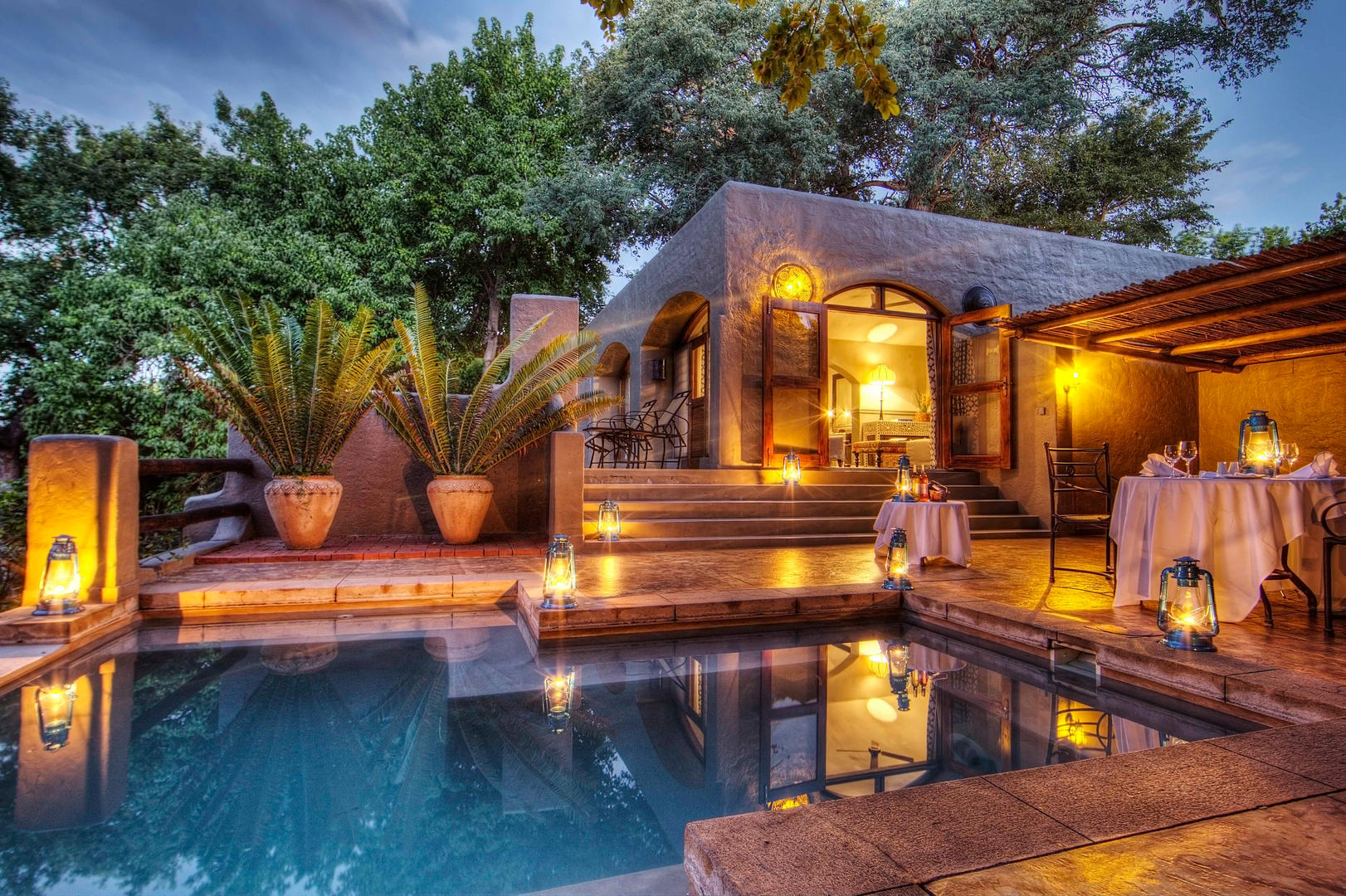
A common misconception about safari travel is that booking through a travel agent or tour operator is more expensive than booking directly with lodges or safari companies. In reality, this is often not the case. Travel specialists frequently have established relationships with safari operators and may secure better deals or access special promotions unavailable to individual travelers.
In addition, planning a safari independently can take significant time. With thousands of safari lodges across Africa—each with different advantages, disadvantages, and price ranges—researching and organizing the perfect itinerary can take weeks. Experienced safari consultants can often design a comprehensive itinerary within a few days, often at the same price or even lower than independent planning.
International flights are usually not included in safari packages, although safari operators can arrange them if requested. Many travelers prefer to book flights themselves to take advantage of airline promotions or frequent-flyer programs.
Visa fees are normally paid directly by travelers when entering a country or through online e-visa systems prior to arrival. Safari companies can provide guidance on visa requirements but cannot process these payments on behalf of guests.
Vaccinations may also be required depending on the destination. In addition to mandatory vaccines, medical professionals may recommend optional vaccinations. In the post-COVID travel environment, certain destinations may also require PCR tests when crossing borders.
Tipping is customary in many parts of Africa but remains entirely voluntary. In hotels, restaurants, and taxis, tips of around 10 percent are generally considered appropriate depending on the quality of service received. At safari lodges, gratuities are typically given to the lodge manager at the end of the stay, who then distributes them among staff members. Guides are often tipped separately and personally.
Travel insurance is also not included in most safari packages. Travelers are strongly advised to purchase comprehensive coverage that includes medical emergencies, cancellations, curtailment, and travel disruptions. Because many safari destinations are located in remote wilderness areas, adequate insurance coverage is essential.
If all of this information feels overwhelming or confusing, the best approach is simply to contact a safari specialist who can help simplify the process and guide you toward the safari experience that best matches your travel dreams.

© 2026 Wildhorn Africa.