
Where to Safari in February
“By February, many African safari destinations are well into their rainy period, frequently characterized by large cloud formations and dramatic afternoon thunderstorms.’
Where to Safari in February
“By February, many African safari destinations are well into their rainy period, frequently characterized by large cloud formations and dramatic afternoon thunderstorms.’
Traveling across Africa in February presents a fascinating range of climatic conditions across the continent’s diverse landscapes. Because Africa stretches from the Mediterranean climate of the north to the tropical forests of Central Africa and the savannah plains of East and Southern Africa, weather conditions vary significantly. In many East and Southern African safari destinations such as Kenya, Tanzania, Uganda, Rwanda, Malawi, and Zambia, February falls within the green season. Short tropical showers often occur during the afternoons or evenings, followed by clear skies and warm sunshine. Temperatures remain comfortable, vegetation becomes lush, and wildlife activity remains strong as animals take advantage of abundant grazing and water sources.
Across Central and West African destinations such as Congo and Gabon, February brings humid tropical conditions typical of equatorial rainforest environments. Rainfall can occur throughout the month, but these ecosystems thrive during this period, creating dense forests rich with biodiversity. In contrast, northern destinations like Egypt and Ethiopia experience cooler and relatively dry winter conditions. This makes February one of the most comfortable months for exploring historical landmarks, ancient monuments, and cultural heritage sites without the extreme heat typical of summer months.
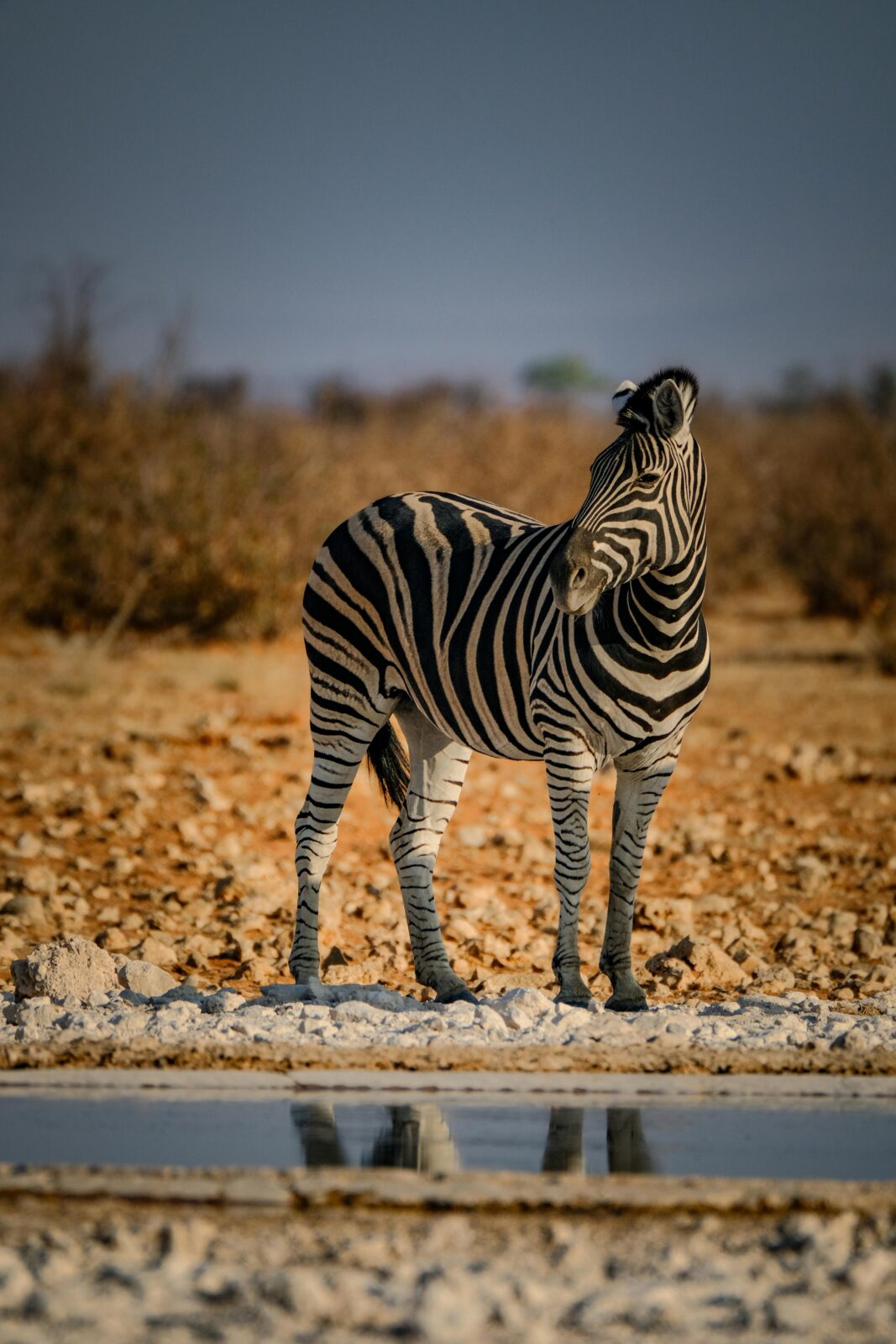
While some regions experience seasonal rainfall, several destinations remain excellent for travel during Africa in February, particularly those entering or maintaining relatively dry conditions. These regions offer strong safari experiences as wildlife becomes easier to spot around rivers, lakes, and permanent water sources.
In Southern Africa, countries such as Botswana, Namibia, South Africa, Zambia, and Zimbabwe provide rewarding safari opportunities. Landscapes remain green and dramatic, and wildlife sightings continue to be impressive in well-known parks such as Chobe National Park, Etosha National Park, Hwange National Park, and Kruger National Park. The abundance of birdlife during this period also attracts birdwatchers from around the world.
East African destinations including Kenya and Tanzania remain excellent safari choices during February. This period coincides with the wildebeest calving season in the Serengeti ecosystem, when thousands of calves are born on the southern Serengeti plains. The calving season creates exceptional wildlife encounters as predators such as lions, cheetahs, and hyenas become highly active.
For travelers interested in primate tracking, Rwanda, Uganda, and Congo offer remarkable gorilla trekking experiences in mountain forests. Although rainfall may occur, trekking conditions remain manageable and the forests appear lush and vibrant.
Island and coastal destinations such as Madagascar and Mozambique combine tropical scenery with warm ocean temperatures. These destinations remain appealing for travelers seeking a blend of wildlife, cultural exploration, and beach relaxation along the Indian Ocean.


© 2026 Wildhorn Africa.