
Africa bush walks
“Discover walking safaris in Africa with expert guides, close wildlife encounters, and immersive bush experiences across top safari destinations.”
Africa bush walks
“Discover walking safaris in Africa with expert guides, close wildlife encounters, and immersive bush experiences across top safari destinations.”
Walking Safaris redefine the way travelers experience Africa. Instead of observing wildlife from the comfort of a safari vehicle, this immersive journey places you directly within the landscape, where every sound, scent, and movement becomes part of a living narrative. The rhythm of your footsteps replaces the hum of an engine, and the vast wilderness unfolds at a pace that allows for deeper awareness and connection.
Across Africa’s most iconic wilderness areas—from the vast plains of the Serengeti to the remote valleys of South Luangwa and the rugged terrains of Zimbabwe—walking safaris have emerged as one of the most authentic and enriching ways to explore nature. This form of safari strips away barriers, allowing travelers to engage with ecosystems on a more intimate level. It shifts the focus from simply spotting animals to understanding the intricate web of life that sustains them.
The appeal of walking safaris lies in their raw authenticity. Standing on foot in the presence of wildlife creates a heightened sense of awareness and respect for the natural world. Every broken twig, distant call, or shifting breeze carries meaning. Guides interpret these signs, transforming what might seem like ordinary details into compelling stories about survival, adaptation, and coexistence.
This experience is not about chasing the “Big Five” alone. It is about rediscovering the wilderness through a slower, more deliberate lens. It is about understanding how ecosystems function and recognizing the subtle interactions that define them. For travelers seeking depth, knowledge, and a genuine connection to nature, walking safaris offer an unparalleled journey.
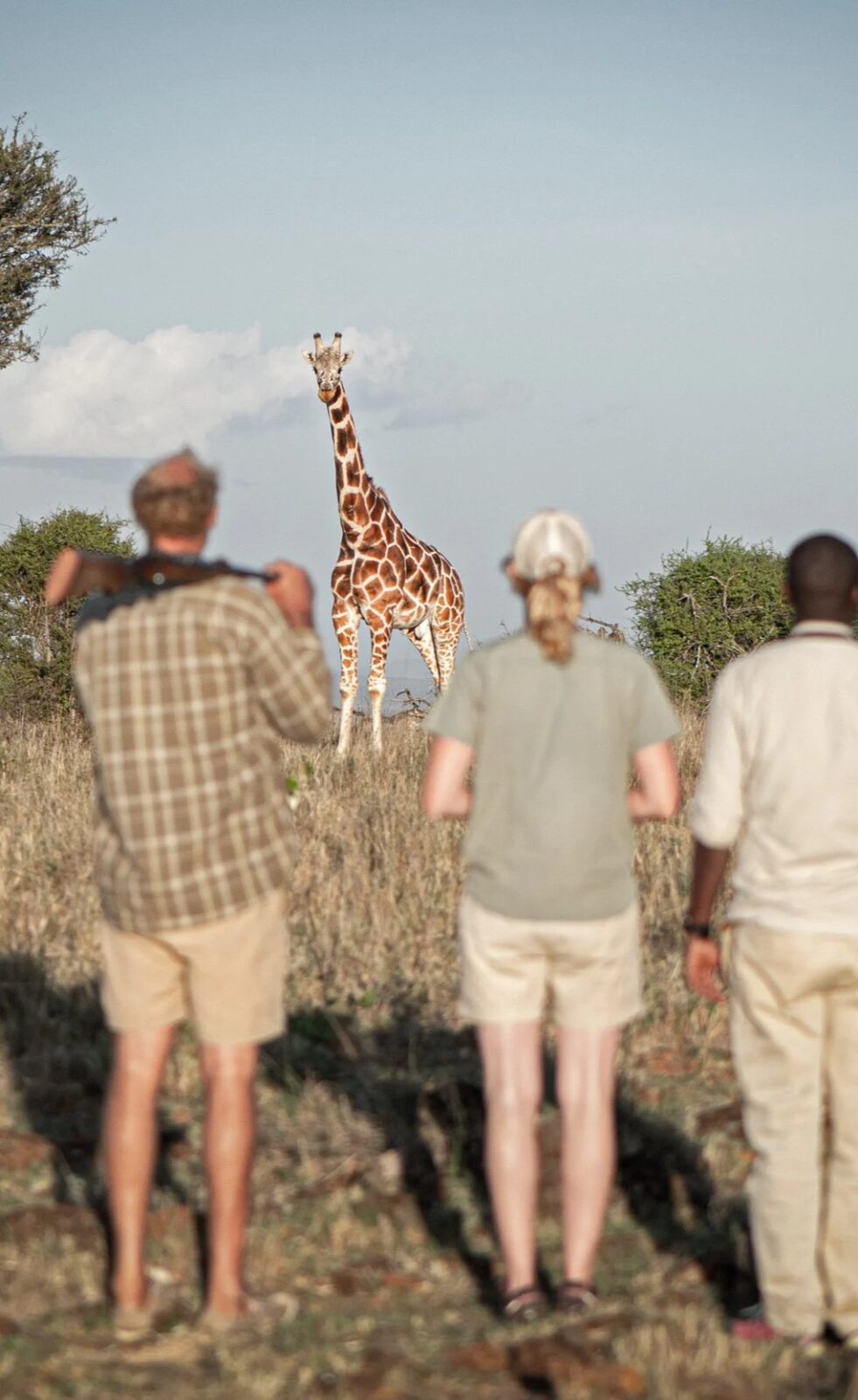
The Walking Safaris experience centers on guided explorations through natural habitats on foot, led by highly trained professional guides and often accompanied by armed rangers. Unlike traditional safaris conducted in vehicles, walking safaris require participants to actively engage with the environment, observing wildlife, plants, and landscapes at ground level.
At the core of walking safaris is interpretation. Guides do more than lead; they educate and reveal the hidden dynamics of the ecosystem. Tracks in the sand, dung patterns, insect behavior, and plant life all become part of a broader narrative. This interpretive approach transforms the safari into an educational and deeply engaging experience.
A typical walking safari begins early in the morning when wildlife is most active. After a briefing on safety and expectations, participants set out in small groups. The pace is deliberate, allowing for frequent stops where guides explain observations in detail. The experience often includes tracking animals by following footprints, identifying bird calls, and learning about medicinal plants used by local communities.
Encounters with wildlife on foot are approached with caution and respect. Guides maintain safe distances while ensuring that animals remain undisturbed. These encounters, whether with antelope, elephants, or even predators, carry a sense of immediacy that cannot be replicated in a vehicle.
Walking safaris may be structured as short excursions lasting a few hours or as multi-day journeys that include mobile camps and remote wilderness stays. In all cases, the emphasis remains on immersion, awareness, and connection.
Safety is a fundamental aspect of walking safaris, and it is carefully managed through strict protocols, professional expertise, and well-established guidelines. While the idea of walking in areas inhabited by wildlife may seem daunting, the experience is designed to minimize risk while maintaining authenticity.
Professional guides play a central role in ensuring safety. They undergo extensive training in wildlife behavior, tracking, and emergency response. Their ability to read the environment and anticipate animal movements allows them to make informed decisions throughout the safari. Armed rangers often accompany walking safaris in certain regions, providing an additional layer of security.
Before each walk, participants receive a detailed safety briefing. This includes instructions on how to behave in the presence of wildlife, such as maintaining silence, avoiding sudden movements, and following the guide’s directions at all times. Understanding and adhering to these guidelines significantly reduces potential risks.
Wildlife encounters are managed with caution. Guides prioritize maintaining safe distances and avoid situations that could provoke animals. The emphasis remains on observation rather than interaction, ensuring that both visitors and wildlife remain secure.
Environmental safety is also addressed. Participants are advised on appropriate clothing, hydration, and physical preparedness. Guides monitor conditions such as weather and terrain, adjusting routes as necessary to ensure a safe experience.
While walking safaris inherently involve an element of unpredictability, the structured approach and expertise of guides ensure that they remain safe and controlled experiences.
Walking Safaris differ fundamentally from traditional safari experiences in their level of immersion, pace, and perspective. While game drives offer convenience and broader coverage, walking safaris prioritize depth and engagement.
The most significant difference lies in proximity. On foot, travelers experience the environment without the barrier of a vehicle. This creates a heightened sense of presence and awareness. Sounds become clearer, scents more noticeable, and movements more meaningful.
The pace of walking safaris also sets them apart. Instead of covering large distances quickly, the experience unfolds slowly, allowing for detailed observation. This slower pace reveals aspects of the ecosystem that are often overlooked during vehicle-based safaris, such as insect activity, plant diversity, and subtle animal tracks.
Another distinguishing factor is the focus on education. Guides provide in-depth explanations of ecological processes, offering insights into how different elements of the ecosystem interact. This educational component adds a layer of intellectual engagement to the experience.
The emotional impact differs as well. Encounters with wildlife on foot evoke a sense of vulnerability and respect that is less pronounced in vehicles. This creates a more profound connection to nature and a deeper appreciation for conservation efforts.
Ultimately, walking safaris transform the safari experience from passive observation to active participation.
Participating in walking safaris requires a moderate level of physical fitness, although the exact requirements vary depending on the terrain and duration of the walk. The experience involves walking for several hours, often in warm conditions and over uneven ground.
The terrain can include sandy paths, rocky areas, grasslands, and occasionally dense vegetation. While the pace is generally manageable, participants should be comfortable with sustained walking and occasional inclines.
Fitness requirements are not extreme, but preparation enhances the experience. Engaging in regular physical activity before the safari can improve endurance and comfort. Proper footwear, such as sturdy walking shoes or boots, is essential for navigating varied terrain.
Guides often tailor the pace to the group’s ability, ensuring that all participants can enjoy the experience without undue strain. Breaks are incorporated to allow for rest and observation, maintaining a balance between activity and relaxation.
For multi-day walking safaris, additional stamina may be required, particularly if the itinerary includes longer distances or remote locations. However, these experiences are typically designed to accommodate a range of fitness levels.
The duration of Walking Safaris varies widely, offering flexibility to suit different travel preferences. Short walking safaris may last two to four hours, providing a concise introduction to the experience.
Half-day and full-day walks offer more comprehensive exploration, allowing participants to venture deeper into the wilderness and encounter a wider range of wildlife and landscapes. These extended walks often include breaks for meals and rest.
Multi-day walking safaris represent the most immersive option. These journeys can span several days, with participants moving between camps or staying in mobile setups. Each day involves guided walks, with evenings spent in remote camps under the African sky.
The time spent on a walking safari is not solely defined by distance or duration. The emphasis remains on quality of experience, with each moment offering opportunities for discovery and learning.
Tracking forms a central component of walking safaris. Guides interpret footprints, broken vegetation, and other signs to locate animals. This process transforms the experience into an interactive and intellectually engaging activity.
Walking safaris reveal the intricate details of ecosystems. Insects, plants, and smaller animals become focal points, highlighting the complexity and interconnectedness of nature.
While maintaining safe distances, walking safaris offer close encounters with animals such as giraffes, zebras, and antelopes. These moments create a sense of immediacy and connection.
Birdlife plays a significant role in walking safaris. Guides identify species by sight and sound, enriching the experience for both novice and experienced birdwatchers.
Multi-day walking safaris often include stays in remote camps. These settings provide an opportunity to experience the wilderness in its purest form.
Choosing Walking Safaris offers a transformative travel experience that goes beyond traditional wildlife viewing. The immersion, education, and emotional connection create a journey that resonates deeply.
The experience fosters a greater understanding of ecosystems and conservation. By observing nature up close, travelers gain insights into the challenges and importance of preserving wildlife habitats.
The exclusivity of walking safaris also adds to their appeal. Small group sizes ensure personalized attention and a more intimate experience.
For those seeking authenticity, adventure, and meaningful engagement, walking safaris provide a unique and rewarding choice.
FAQs
Yes, many walking safaris cater to beginners, with guides adjusting the pace and difficulty.
Neutral-colored clothing, sturdy shoes, and sun protection are recommended.
Encounters are possible but managed safely by experienced guides.
Yes, although conditions vary depending on the season.
Age restrictions may apply, typically for safety reasons.
Safe distances are maintained at all times.
Basic gear such as comfortable clothing and water is sufficient.
Yes, they have minimal environmental impact and support conservation.
Yes, they are often part of broader safari itineraries.


© 2026 Wildhorn Africa.