Gorilla Trekking Africa
“Discover primate safaris in Africa, including gorilla trekking and chimpanzee tracking. Learn safety, costs, experiences, and why this adventure is unforgettable.”
Primate Safaris stand among the most profound wildlife experiences available in Africa today, offering travelers a rare opportunity to step into ancient forests and encounter some of humanity’s closest relatives in their natural habitat. Unlike conventional wildlife safaris that focus on large mammals across open savannah landscapes, primate safaris draw attention toward dense tropical ecosystems, where intelligence, social behavior, and emotional depth define every encounter.
Across East and Central Africa, destinations such as Uganda, Rwanda, and the Democratic Republic of Congo have positioned themselves as global leaders in primate tourism. These regions host iconic species including mountain gorillas, chimpanzees, golden monkeys, and several other rare primates. The experience is not simply about observation; it involves immersive trekking through forests, guided by expert trackers who understand the movements, behaviors, and habitats of these animals.
The appeal of primate safaris lies in their intimate and transformative nature. Standing just a few meters away from a gorilla family or watching chimpanzees interact in the wild creates a connection that transcends typical wildlife viewing. These encounters highlight evolutionary similarities and provoke deeper reflections on conservation, coexistence, and the fragility of ecosystems.
As global demand for experiential travel grows, primate safaris continue to attract a discerning audience seeking authenticity, exclusivity, and purpose-driven tourism. They combine adventure, conservation awareness, and cultural immersion into one cohesive journey that resonates long after the trip concludes.
A Primate Safaris experience involves guided excursions into protected forests and national parks to observe primates in their natural environments. These safaris are structured around carefully regulated activities such as gorilla trekking, chimpanzee tracking, and monkey observation walks, all conducted under strict conservation guidelines.
At the core of primate safaris is the concept of tracking habituated primate groups. Habituation refers to the process through which wild animals become accustomed to human presence without altering their natural behavior. This allows visitors to observe them safely and respectfully. In countries like Uganda and Rwanda, only a limited number of visitors are permitted per group per day, ensuring minimal disturbance.
The experience typically begins with an early morning briefing at a park headquarters, where guides explain the rules, safety measures, and expectations. Visitors then embark on treks that vary in duration and difficulty, depending on the location of the primate groups. The journey through the forest becomes an integral part of the experience, offering encounters with diverse flora, birdlife, and other wildlife.
Once the primates are located, visitors spend a regulated amount of time observing them. For gorilla trekking, this is usually one hour, while chimpanzee tracking may allow slightly longer observation periods. During this time, travelers witness feeding habits, social interactions, grooming behaviors, and even playful moments among younger individuals.
The primate safaris experience extends beyond wildlife. It often includes cultural interactions with local communities, conservation education, and opportunities to understand the role tourism plays in protecting endangered species.
Safety remains a central consideration in primate safaris, and it is addressed through comprehensive regulations, professional guidance, and conservation protocols. The experience is generally considered safe when conducted through licensed operators and within designated protected areas.
National park authorities enforce strict guidelines to ensure both visitor safety and animal welfare. Before any trek, participants receive detailed briefings that outline appropriate behavior around primates. This includes maintaining a safe distance, avoiding direct eye contact in certain situations, and refraining from sudden movements or loud noises.
Professional guides and armed rangers accompany every trekking group. These individuals possess extensive knowledge of primate behavior and forest navigation. Their presence ensures that any potential risks are managed effectively, whether related to wildlife encounters or environmental conditions.
Health precautions also play a significant role in maintaining safety. Since primates share genetic similarities with humans, there is a risk of disease transmission. Visitors showing signs of illness are typically not allowed to participate in trekking activities. Additionally, maintaining hygiene protocols such as wearing masks in certain parks further reduces risks.
Environmental safety is also addressed. Trails may be steep, muddy, or dense, but guides assist visitors throughout the trek. Porters are often available to help carry equipment and provide physical support when needed.
Overall, primate safaris are structured to prioritize safety without compromising the authenticity of the experience.
Primate Safaris differ significantly from traditional wildlife safaris in both setting and nature of interaction. While classic safaris often involve game drives across open plains, primate safaris take place within dense forests, requiring active participation through trekking.
The level of intimacy sets primate safaris apart. Instead of observing animals from a distance within a vehicle, visitors encounter primates at close range, often within a few meters. This proximity allows for a deeper understanding of behavior, expressions, and social dynamics.
Another key difference lies in the unpredictability and effort involved. Primate tracking requires patience and physical engagement. Unlike game drives where animals may be easily spotted, primate encounters demand perseverance as visitors navigate challenging terrain in search of specific groups.
The emotional impact also distinguishes primate safaris. Encounters with species such as mountain gorillas evoke a sense of connection that is rarely experienced in other wildlife settings. Observing their human-like traits creates a unique emotional resonance.
Additionally, primate safaris emphasize conservation more strongly. Permit systems, limited group sizes, and strict regulations ensure that tourism directly contributes to the protection of endangered species. This conservation-driven approach adds depth and purpose to the experience.
Participating in primate safaris requires a moderate level of physical fitness, although the exact requirements vary depending on the specific activity and location. Gorilla trekking, for instance, can involve hiking through steep, uneven terrain, dense vegetation, and high altitudes.
The duration and intensity of treks depend on the movement of the primate groups. Some treks may take as little as one hour, while others can extend up to six or more hours. The terrain may include muddy paths, slippery slopes, and thick undergrowth, all of which demand stamina and balance.
Despite these challenges, primate safaris remain accessible to a wide range of travelers. Park authorities often allocate groups based on fitness levels, ensuring that individuals are matched with appropriate trekking conditions. Visitors can also hire porters to assist with carrying bags and providing support during difficult sections of the trek.
Preparation plays a crucial role in ensuring a comfortable experience. Wearing appropriate hiking boots, carrying sufficient water, and maintaining a reasonable level of physical activity before the trip can significantly enhance the experience.
Ultimately, while primate safaris require effort, they do not demand extreme fitness. The rewards of the encounter often outweigh the physical exertion involved.
The duration of a Primate Safaris experience varies depending on the type of activity, destination, and itinerary. At a basic level, individual trekking activities such as gorilla trekking or chimpanzee tracking typically take half a day.
The trekking portion itself can range from one to several hours, depending on the location of the primates. Once the group is found, visitors are allowed a fixed observation period, usually one hour for gorillas. This time is strictly regulated to minimize disturbance.
Comprehensive primate safaris itineraries often span multiple days. A typical safari may last between three to seven days, combining different primate experiences with other activities such as cultural visits, birdwatching, and scenic tours.
For travelers seeking a more in-depth exploration, extended itineraries can last up to ten days or more. These may include multiple destinations across Uganda, Rwanda, or neighboring countries, offering opportunities to observe various primate species.
The flexibility in duration allows primate safaris to cater to different travel preferences, from short excursions to extended immersive journeys.
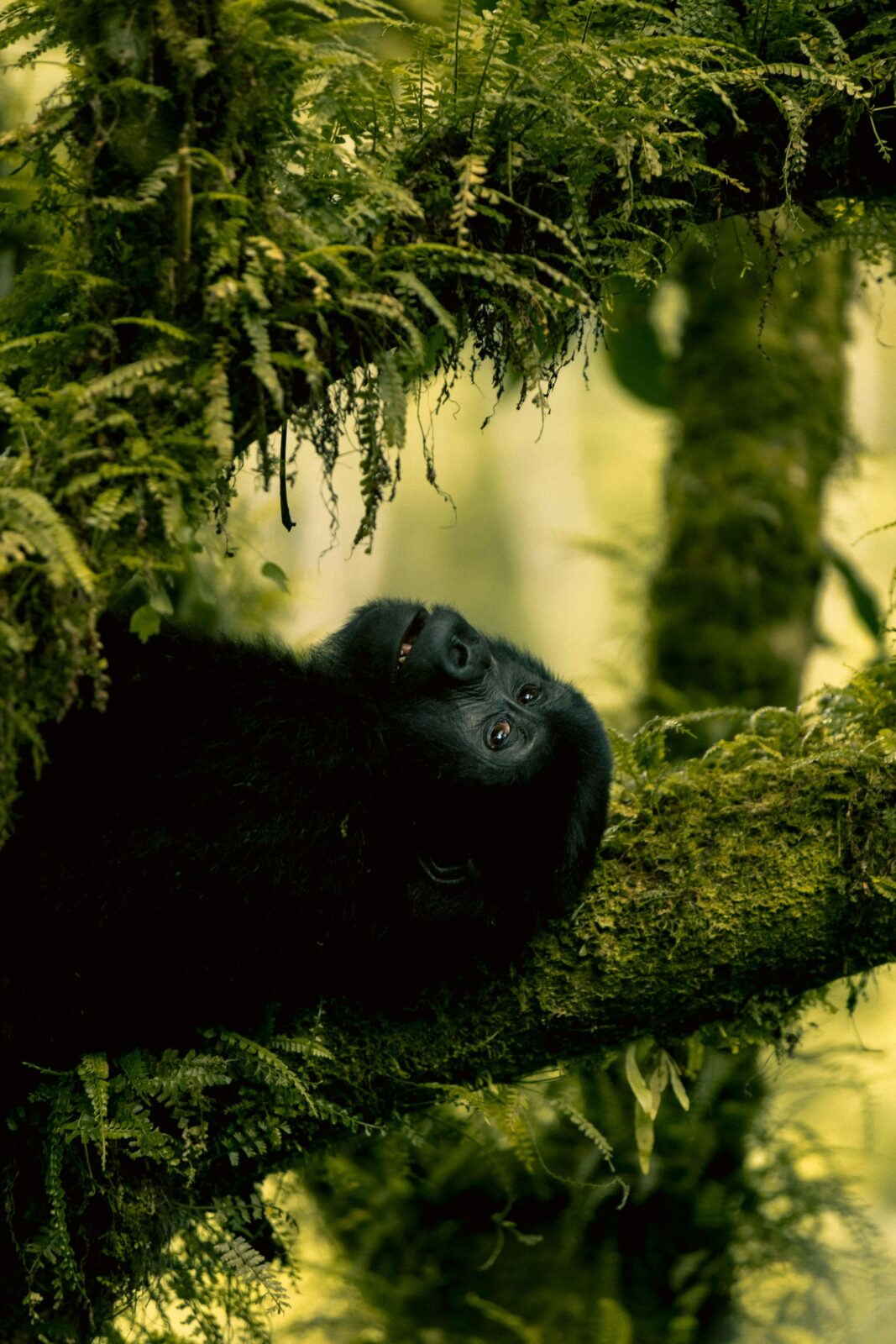
One of the defining highlights of primate safaris is gorilla trekking. This activity takes place in regions such as Bwindi Impenetrable National Park and Volcanoes National Park. Visitors trek through dense forests to locate habituated gorilla families and spend time observing their behavior.
The experience offers insights into gorilla social structures, including dominant silverbacks, nurturing mothers, and playful juveniles. The close proximity allows for detailed observation, making it a truly unforgettable encounter.
Chimpanzee tracking forms another essential component of primate safaris. Locations such as Kibale Forest National Park provide ideal environments for observing these highly intelligent primates.
Chimpanzees exhibit dynamic behaviors, including vocal communication, tool use, and complex social interactions. Tracking them involves listening for calls and following clues through the forest, adding an element of excitement to the experience.
Golden monkeys offer a unique addition to primate safaris. These vibrant primates inhabit the bamboo forests of the Virunga Mountains. Their playful nature and striking appearance create a visually captivating experience.
Tracking golden monkeys is generally less physically demanding compared to gorilla trekking, making it accessible to a broader range of visitors.
Beyond primate encounters, primate safaris include guided forest walks that reveal the rich biodiversity of tropical ecosystems. Visitors encounter diverse plant species, birdlife, and smaller mammals, enhancing their understanding of the environment.
These walks provide context to the primate habitats, illustrating the interconnectedness of ecosystems.
Cultural interactions form an integral part of primate safaris. Visitors engage with local communities, learning about traditional lifestyles, crafts, and conservation efforts.
Experiences such as visiting Batwa communities in Uganda or participating in cultural performances in Rwanda add depth to the safari, highlighting the human dimension of conservation.
Choosing Primate Safaris offers a combination of adventure, education, and emotional connection that is difficult to replicate in other travel experiences. The opportunity to observe primates in their natural habitats provides insights into behavior, intelligence, and social dynamics that resonate deeply.
The conservation impact of primate safaris further enhances their appeal. Revenue generated from tourism supports national parks, funds anti-poaching initiatives, and contributes to community development. Travelers become active participants in preserving endangered species.
The exclusivity of the experience also adds value. Limited permits and controlled visitor numbers ensure a personalized and intimate encounter. This level of exclusivity aligns with the expectations of travelers seeking unique and meaningful journeys.
Additionally, primate safaris offer diverse experiences within a single itinerary. From trekking adventures to cultural interactions, they provide a comprehensive exploration of both natural and human landscapes.
FAQs
The best time for primate safaris typically falls during the dry seasons, when trails are more accessible and trekking conditions are favorable. However, primates can be observed year-round.
Costs vary depending on destination, accommodation, and permits. Gorilla trekking permits represent a significant portion of the cost, reflecting conservation efforts.
Essential items include sturdy hiking boots, waterproof clothing, gloves, and sufficient water. Preparation enhances comfort during treks.
Age restrictions apply, particularly for gorilla trekking. Most parks require participants to be at least 15 years old.
Photography is allowed, but flash photography is prohibited to avoid disturbing the animals.
Visitors are generally required to maintain a distance of about seven meters, although primates may approach closer.
No prior experience is required, although basic fitness is recommended.
Success rates for tracking are very high due to experienced guides and habituated groups.
Yes, when conducted responsibly, primate safaris contribute significantly to conservation and community development.
Uganda, Rwanda, and the Democratic Republic of Congo are among the top destinations for primate safaris.


© 2026 Wildhorn Africa.