Horse riding safari in Africa
“Horseback safaris in Africa with close wildlife encounters, guided riding tours, and immersive safari adventures across top destinations.”
Horseback Safaris represent one of the most exhilarating and immersive ways to explore Africa’s wild landscapes. Unlike traditional safaris conducted in vehicles, this experience places travelers directly within the environment, moving silently and naturally alongside wildlife. The rhythm of a horse beneath you replaces the noise of engines, allowing the wilderness to unfold in its most authentic form.
Across Africa’s most iconic destinations—such as Kenya, Botswana, South Africa, Namibia, Zambia, and Zimbabwe—horseback safaris have evolved into a refined and highly sought-after adventure. These journeys combine equestrian skill with wildlife exploration, offering a rare opportunity to observe animals without disrupting their natural behavior. Horses are perceived as non-threatening by many species, allowing riders to approach wildlife more closely than would typically be possible on foot or in vehicles.
The appeal of horseback safaris lies in their seamless blend of adventure, elegance, and connection. Riding across open plains, riverine forests, and desert landscapes creates a sense of freedom that few travel experiences can match. Each moment feels unfiltered and immediate, whether galloping alongside herds of antelope or quietly observing elephants at a waterhole.
This experience is not merely about wildlife viewing. It is about becoming part of the landscape, understanding its rhythms, and engaging with nature on a deeper level. For travelers seeking exclusivity, authenticity, and a profound connection to the wild, horseback safaris offer an unparalleled journey.
The Horseback Safaris experience involves guided wildlife exploration on horseback, led by professional riding guides who possess both equestrian expertise and deep knowledge of the ecosystem. These safaris take place in carefully selected regions where terrain, wildlife behavior, and conservation practices align to create safe and rewarding riding conditions.
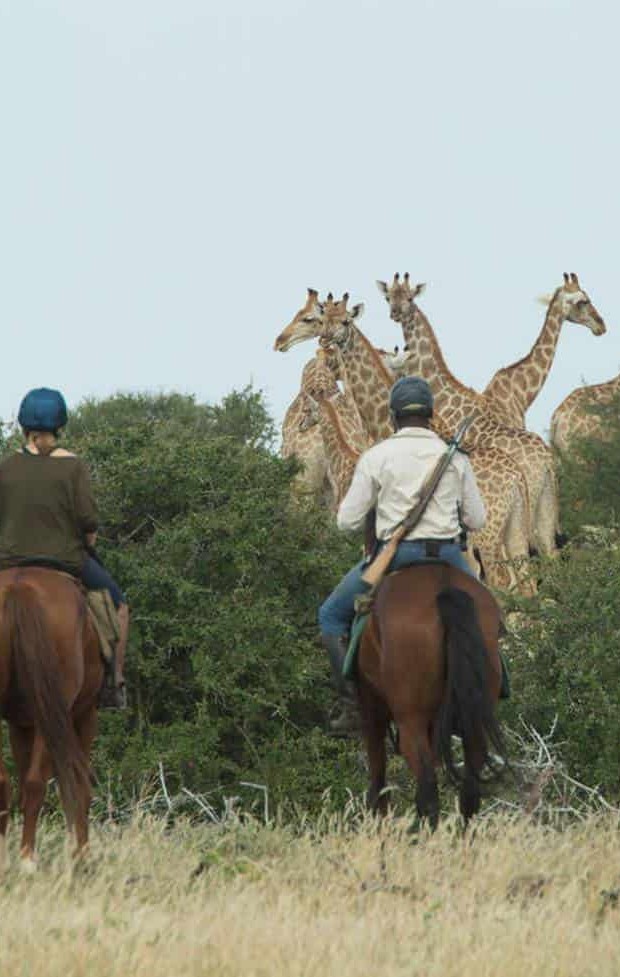
At the heart of horseback safaris is the concept of moving through wildlife habitats as part of the natural environment. Unlike vehicles, horses integrate more seamlessly into the landscape, allowing riders to approach animals without causing alarm. This creates opportunities for close and meaningful encounters with species such as giraffes, zebras, antelopes, and, in certain areas, even elephants and predators.
A typical horseback safari begins with an assessment of the rider’s experience. This ensures that participants are matched with suitable horses and itineraries. Safety briefings and riding orientations are conducted before entering the wilderness, emphasizing control, communication, and awareness.
The experience can vary widely in structure. Some safaris consist of short rides lasting a few hours, while others involve multi-day journeys with mobile camps. During extended safaris, riders traverse diverse landscapes, stopping at remote camps where evenings are spent under the stars, surrounded by the sounds of the wild.
Guides play a crucial role in interpreting the environment. They identify tracks, explain animal behavior, and provide insights into the ecosystem. This educational aspect enhances the experience, transforming it into a journey of discovery.
Ultimately, horseback safaris offer a dynamic and engaging way to experience wildlife, combining physical activity with intellectual and emotional enrichment.
Safety is a critical consideration in horseback safaris, and it is addressed through rigorous standards, professional guidance, and careful planning. While the experience involves inherent risks due to the presence of wildlife and the use of horses, these risks are managed effectively through established protocols.
Professional guides are central to ensuring safety. They possess extensive training in both equestrian management and wildlife behavior. Their ability to read animal movements, anticipate potential risks, and maintain control of the group is essential. In many cases, guides are also equipped with communication devices and emergency response training.
Horses used in horseback safaris are specifically trained for the environment. They are accustomed to wildlife encounters and remain calm in situations that might unsettle less experienced animals. This training is crucial in maintaining stability and control during rides.
Participants are required to have a certain level of riding proficiency, particularly for safaris in areas with larger or more unpredictable wildlife. Beginners may be accommodated in less challenging environments, but advanced safaris often require confident riding skills.
Safety briefings are conducted before each ride, outlining rules and expectations. Riders are instructed on how to respond to wildlife encounters, maintain appropriate distances, and follow the guide’s commands at all times.
Environmental factors are also considered. Guides monitor weather conditions, terrain, and wildlife activity, adjusting routes as necessary to ensure safety. Protective gear, including helmets, is often recommended or required.
While horseback safaris involve a higher level of engagement than vehicle-based safaris, the combination of trained guides, experienced horses, and structured protocols ensures that they remain safe and well-managed experiences.
Horseback Safaris differ significantly from traditional safari experiences in their level of immersion, interaction, and perspective. While game drives provide convenience and coverage, horseback safaris offer a more intimate and dynamic connection with the environment.
The most notable difference lies in movement. On horseback, travelers become part of the landscape rather than observers passing through it. This integration allows for closer encounters with wildlife, as animals often perceive horses as less threatening than vehicles or humans on foot.
The sensory experience is also enhanced. Riders engage with the environment through sight, sound, and movement. The rhythm of the horse, the feel of the terrain, and the sounds of wildlife create a multi-dimensional experience that is both physical and emotional.
Another key distinction is the level of participation. Horseback safaris require active involvement, as riders must control their horses and remain aware of their surroundings. This engagement fosters a deeper connection to the experience.
The pace of exploration differs as well. While vehicles can cover large distances quickly, horseback safaris balance movement with observation. This allows for both expansive exploration and detailed engagement with the environment.
In essence, horseback safaris transform the safari from a passive activity into an interactive and immersive journey.
Participating in horseback safaris requires a combination of physical fitness and riding ability. The level of fitness needed depends on the type of safari, the terrain, and the duration of rides.
Riders should possess a basic level of equestrian skill, including the ability to control a horse at walk, trot, and canter. Advanced safaris may require more experienced riders, particularly in areas with challenging terrain or larger wildlife.
Physical fitness plays a role in maintaining balance, endurance, and comfort during extended rides. While horseback riding is less physically demanding than walking safaris, it still requires core strength and stamina.
The terrain can vary from flat plains to uneven or rugged landscapes. Riders must be prepared to navigate these conditions while maintaining control of their horses.
Preparation enhances the experience. Regular physical activity and prior riding practice can improve confidence and enjoyment.
Overall, horseback safaris are accessible to a range of riders, provided that their skill level matches the requirements of the safari.
The duration of Horseback Safaris varies widely, offering flexibility to suit different travel preferences. Short rides may last one to three hours, providing an introduction to the experience.
Half-day and full-day safaris offer more extensive exploration, allowing riders to venture deeper into the wilderness. These rides often include breaks for rest and observation.
Multi-day horseback safaris represent the most immersive option. These journeys can span several days, with riders moving between camps or staying in mobile setups. Each day involves guided rides, with evenings spent in remote camps.
The duration of the safari is less about time and more about the depth of experience. Each ride offers opportunities for discovery, connection, and reflection.
One of the most remarkable aspects of horseback safaris is the ability to ride alongside herds of wildlife. Zebras, antelopes, and even giraffes may move parallel to riders, creating a sense of harmony and coexistence.
Horseback safaris traverse a variety of landscapes, from open savannahs to riverbanks and desert terrains. Each environment offers unique perspectives and challenges.
In certain areas, riders may encounter predators such as lions or cheetahs. These encounters are carefully managed, providing thrilling yet controlled experiences.
The timing of rides often coincides with sunrise and sunset, when the light enhances the beauty of the landscape and wildlife activity peaks.
Multi-day safaris include stays in remote camps, offering a deeper connection to the wilderness. These camps provide comfort while maintaining a sense of adventure.
Choosing Horseback Safaris offers a unique blend of adventure, elegance, and connection. The experience provides a perspective that cannot be achieved through other forms of travel.
The intimacy of wildlife encounters, the immersion in nature, and the physical engagement create a journey that is both memorable and meaningful.
For travelers seeking exclusivity, authenticity, and a deeper understanding of the natural world, horseback safaris stand as an exceptional choice.
FAQs
Yes, most horseback safaris require basic to advanced riding skills.
Comfortable riding, boots, and protective gear are recommended.
Helmets are often recommended or mandatory.
Some safaris cater to beginners, but options are limited.
Close encounters are possible, but safety distances are maintained.
Dry seasons generally offer better conditions.
Yes, they have minimal environmental impact.
Age restrictions vary depending on the safari.
Guides are trained to handle emergencies effectively.
Uganda, Kenya, Botswana, South Africa, Namibia, Zambia, and Zimbabwe are top destinations.


© 2026 Wildhorn Africa.